 SAMPLED
How Do You Submit Music to Production Music Libraries?
A step-by-step guide to getting your tracks into production music libraries: what they want, how to prepare files, exclusive vs. non-exclusive deals, and getting paid.
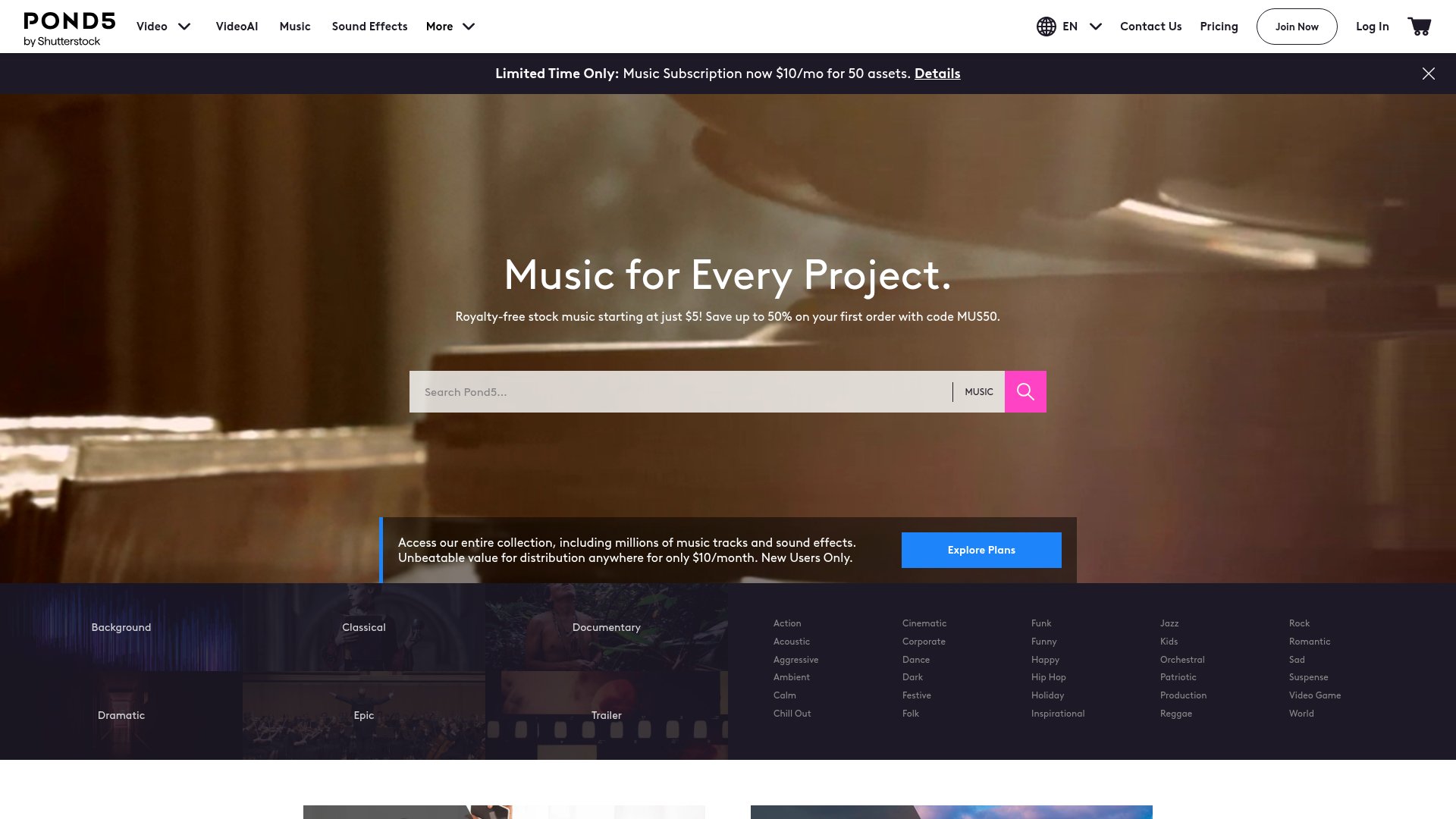
Production music libraries license tracks for TV shows, ads, YouTube videos, podcasts and games. Getting in comes down to three things: the right music, clean files, and solid paperwork.
What do production music libraries want?
- Usable music, not just good music. Clear moods (tense, uplifting, playful) work better than complex songs.
- Strong starts and endings. Editors need tracks that begin fast and end cleanly, not on a fade.
- Few lyrics. Instrumentals are easiest to place. If there are vocals, provide an instrumental version too.
- Professional sound. Mixes should be ready for broadcast. See our guide to preparing a mix for mastering.
- No uncleared samples. Libraries need to own or control every sound in your track.
Step 1: Pick the right libraries
Some libraries accept anyone and some only take invited composers. Many big names have closed to new artists in 2026, so check our up-to-date list of stock music and micro-sync sites still accepting submissions. Listen to each library's catalog first and pitch where your style already fits.
Step 2: Prepare your files
- Full mix as a WAV (usually 16-bit or 24-bit, 44.1 or 48 kHz; follow each library's rules).
- Alternate versions: instrumental, no drums, and shorter cuts such as 60, 30 and 15 seconds.
- Stems (drums, bass, music, vocals) if the library asks for them.
- Clear file names, for example
ArtistName_TrackTitle_30sec.wav.
 Screenshot: Jamendo
Step 3: Write metadata that gets you found
Music supervisors search libraries with keywords. Add genre, mood, tempo (BPM), key, instruments and use cases (for example "corporate," "trailer," "vlog"). Include writer names, publisher and PRO details. Our music metadata guide covers ISRCs and credits.
Step 4: Understand the deal
- Exclusive: only that library can license the track. Often better promotion and sometimes an upfront fee, but you can't place it elsewhere.
- Non-exclusive: you can put the same track in several libraries. More reach, but usually lower fees and some libraries won't accept it.
- Royalty split: check how licensing fees are split and whether you keep your writer's share of performance royalties.
- Term and exit: know how long the deal lasts and how to take tracks back.
Read every contract, and ask a music lawyer if anything is unclear.
Step 5: Register to collect royalties
When your music airs on TV or streams in shows, you're owed performance royalties. Join a PRO and register each track. Not sure which one? Read our ASCAP vs BMI vs SESAC comparison.
Step 6: Keep submitting
Library income grows with catalog size. Most composers see little from a handful of tracks, but steady results from dozens or hundreds. Aim to add new tracks every month.
For more ways in, read where to submit your music for sync and how to make money with music in 2027.