 SAMPLED
How to Make Money With Music in 2027: 12 Creative Ideas
Streaming checks alone won't pay the rent. Here are 12 creative, realistic ways musicians and producers can earn going into 2027, from Etsy art and internships to apps, pop-ups and sync.
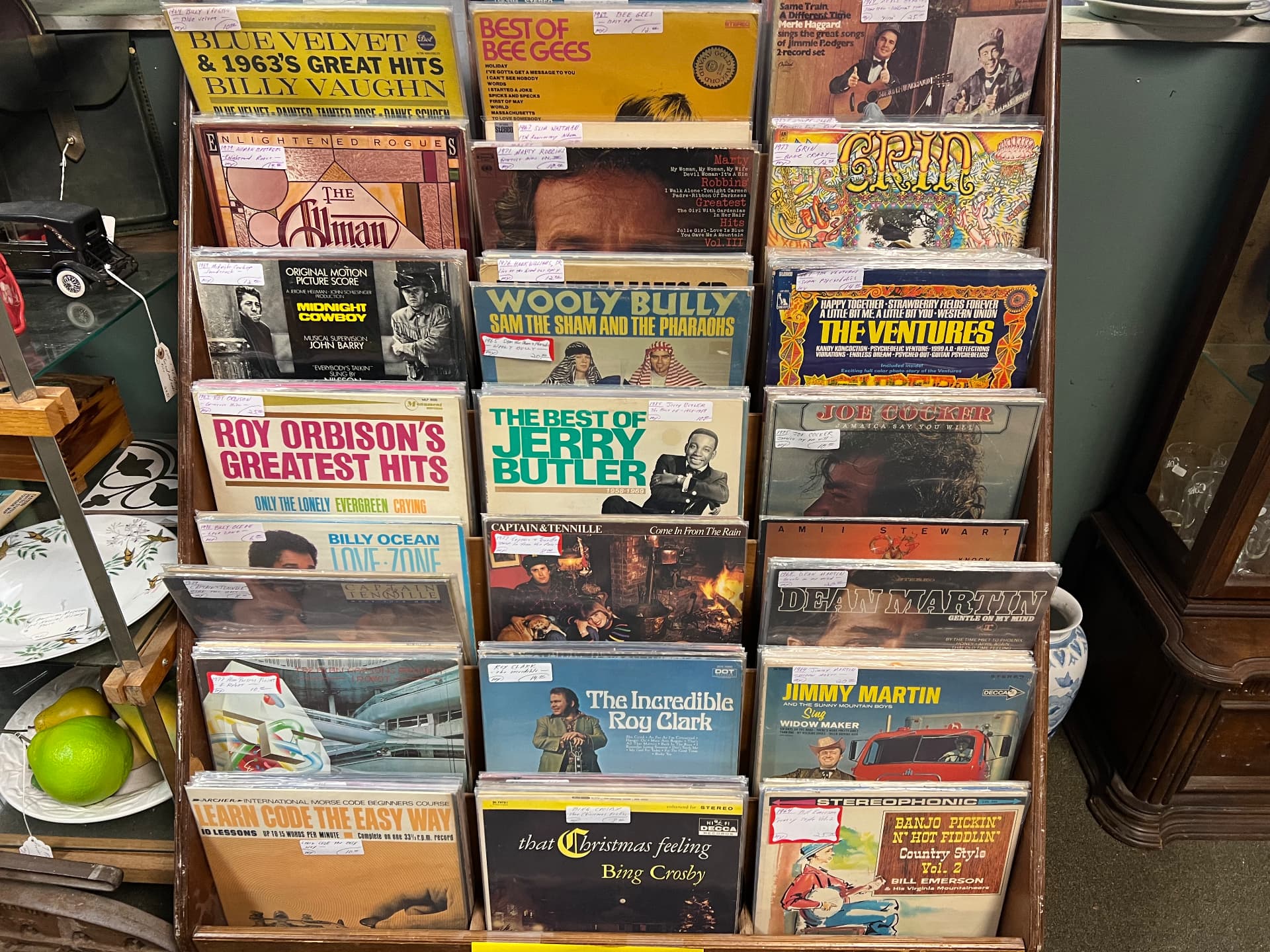
Streaming royalties are a nice bonus, but for most independent artists they aren't a living. The musicians doing well going into 2027 stack several small income streams that all feed off the same skills: making, teaching, organizing and selling.
Here are 12 creative ideas, what each one takes to start, and how to make it work.
1. Can you sell music-related art on Etsy?
Yes, and it's one of the most overlooked options. Fans and fellow musicians buy things that celebrate music: art prints of classic synths and drum machines, illustrated lyric posters (for your own lyrics), framed waveform prints of a couple's wedding song, upcycled vinyl clocks and coasters, guitar-pick jewelry, and studio-themed stickers.
How to make it work:
- Start with 5–10 listings in one style so your shop looks like a brand.
- Use your own designs and your own lyrics. Song lyrics, band logos and album art belong to their owners, and Etsy removes listings that infringe.
- Print-on-demand services let you sell posters and shirts without holding inventory.
- Photograph pieces in a real setting, like a studio wall or a record shelf.
Need help with visuals? Read our graphic design guide for musicians.
2. Should you take a music industry internship?
If you want a long career on the business side, an internship is one of the fastest ways to learn how the industry actually runs. Labels, publishers, studios, venues, management companies, PROs and festivals all take interns.
What you'll learn: How releases get scheduled, how royalties and splits really work, how shows get booked, and who makes the decisions. That knowledge pays off later in every other idea on this list.
Tips:
- Look for paid internships first, and in the US, know that unpaid internships at for-profit companies must mainly benefit the intern under labor rules.
- Remote internships at indie labels and music startups open doors outside the big music cities.
- Treat every task like a job interview, and keep in touch with the people you meet.
3. What freelance music work pays?
Freelancing turns skills you already have into project income. Common gigs include:
- Mixing and mastering
- Session instruments and vocals, recorded remotely
- Beat-making and custom production
- Podcast editing and audio cleanup
- Writing jingles for local businesses
- Cover art, lyric videos and visualizers
Build a one-page portfolio with three before-and-after examples, set clear prices with a set number of revisions, and always take a deposit. Repeat clients are where the real money is.
4. Can you code an app that solves a niche music problem?
This is one of the biggest openings going into 2027. AI coding tools now let musicians with no programming background build small, useful tools. The trick is to pick a problem you have:
- A setlist and lyric-teleprompter app for gigging bands
- A split-sheet generator that collaborators sign on their phones
- A sample-library organizer or tag finder
- A practice tracker for music teachers and students
- A small plugin, like a simple saturator or tuner
Charge a few dollars, offer a free version, or sell it as a one-time purchase. Small tools in niche communities can earn steadily for years. For inspiration, see how AI is changing the way plugins are made.
5. How do musicians make money with content?
Short videos and YouTube can pay you through ad revenue, sponsors, affiliate links and fan memberships. Formats that keep working:
- "Making a beat from a ___" challenges
- Gear reviews and comparisons
- Studio diaries and breakdowns of how a song was made
- Reactions and analysis in your genre
Pick one format and post on a schedule. Content also sells everything else here: your Etsy shop, your lessons and your shows.
6. Can you sell tutorials and lessons?
Teaching is one of the steadiest music incomes. Options include one-on-one online lessons, a paid course on a single skill ("mixing vocals in a bedroom"), project files and templates, and a monthly membership with feedback sessions.
Start with live lessons to learn what students struggle with, then turn the most common questions into a course.
 Photo: PattayaPatrol, CC BY-SA 4.0, via Wikimedia Commons (opens in a new tab).
7. How does sync licensing make money?
Sync means getting paid to have your music in videos, ads, games and shows. It ranges from $10 micro-licenses for YouTubers to big fees for TV and ads. Instrumentals, clean stems and good tags make the difference.
Start with our 2026 guide to stock music and micro-sync sites still taking submissions, and our sync submission guide.
8. What does it take to start a music company?
A company can be smaller than you think: a micro-label for your scene, a sample-pack brand, a studio, an event series or a merch line. Start with the following:
- A business name and a simple LLC or sole proprietorship (check your local rules)
- A separate bank account
- Written contracts and split sheets for every collaborator
- One product that already sells before you expand
Our guide to selling sample packs is a good place to start for producers.
9. Can you get paid as a music consultant?
If you've released music, run campaigns or booked tours, other artists will pay to learn from you. Popular consulting services include release planning, social media audits, playlist and press strategy, help with metadata and royalty registration, and studio setup advice.
Sell it as a fixed package, like a 60-minute call plus a written action plan, rather than by the hour.
10. How do you throw a pop-up concert?
Pop-up shows in record shops, cafés, galleries, breweries, rooftops and backyards can earn more per fan than a regular club gig, because you control the tickets and the merch table.
The basics:
- Get written permission from the space, and check local noise and permit rules.
- Sell tickets in advance so you know your numbers.
- Keep it small and special: a limited capacity, a secret location revealed to ticket buyers, or a theme.
- Film it. The footage becomes content for weeks.
11. What is a pop-up sale for musicians?
A pop-up sale is a one-day shop: vinyl, cassettes, merch, art prints, used gear and zines in one place. Team up with three or four other artists to share costs and audiences, and add a DJ set or short live performance so it feels like an event.
Hunting records to resell? Our guide on where to find records has tips.
12. What else can you try?
- Session work and live hire: playing in other artists' bands
- Event DJing: weddings, corporate events, store openings
- Gear flipping: buying, fixing and reselling used instruments
- Writing: music journalism, newsletters and liner notes
- Fan memberships: monthly support in exchange for demos and early access
- Commissioned songs: custom songs for birthdays, weddings and businesses
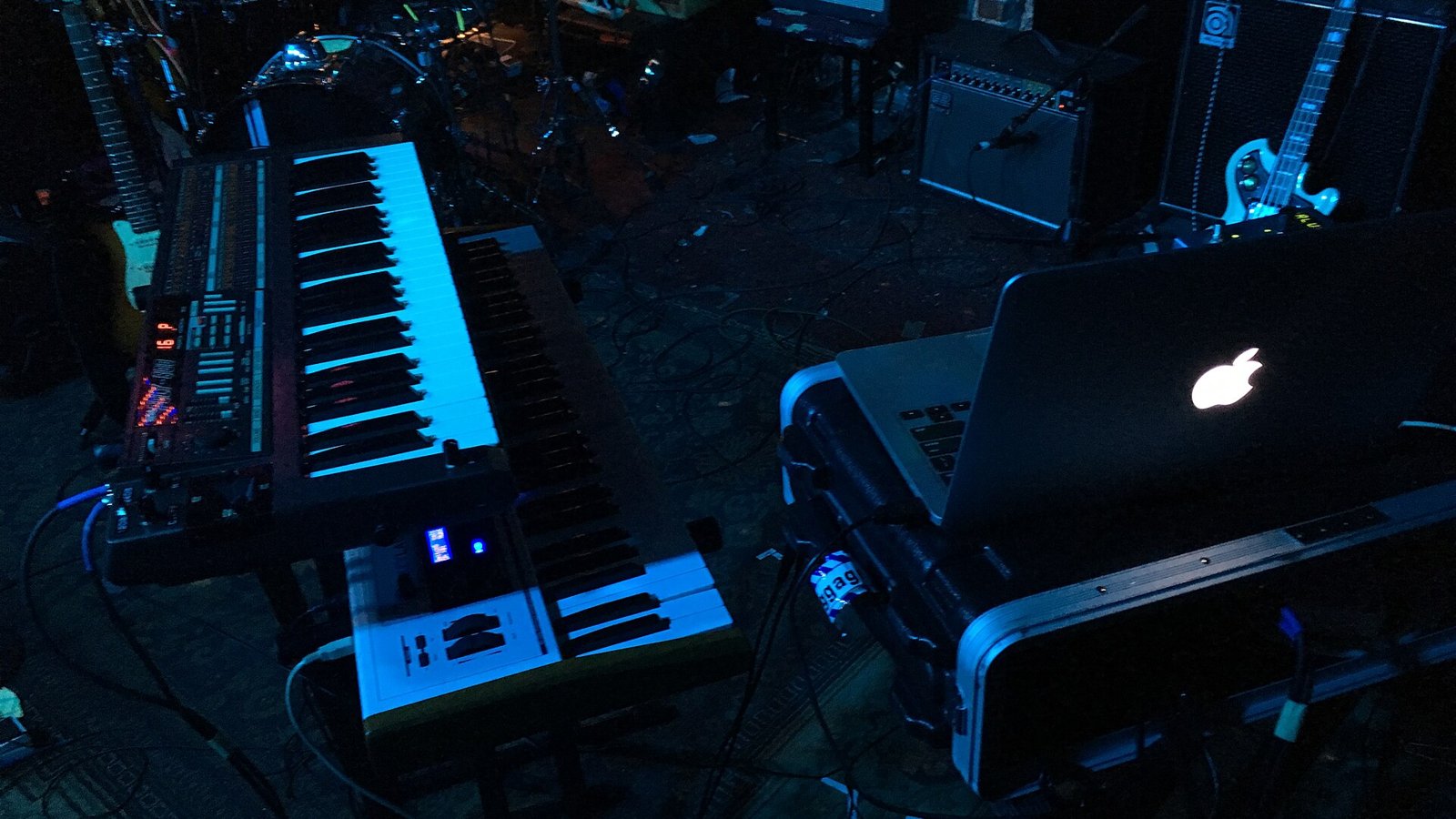 Photo: Mitchschneider88, CC BY-SA 4.0, via Wikimedia Commons (opens in a new tab).
How do you pick the right ideas for you?
Don't try all 12. Pick three that connect:
- One that pays now: freelancing, lessons or event DJing
- One that builds over time: content, sync, an app or a course
- One that's fun and local: a pop-up show or pop-up sale
Each one feeds the others. Your content sells your lessons, your pop-up sells your Etsy prints, and your internship teaches you how to run the company you'll start later.
The bottom line
Going into 2027, the musicians who earn the most aren't waiting on one big break. They're combining their music, their skills and their community into several small businesses. Start with one idea this month, track what it earns, and add the next one when it's working.
Related reading: How Creatives Actually Make Money in 2026 · Free Ways Indie Artists Make Money · Best Websites to Sell Beats Online