 SAMPLED
Which Sampler Should You Buy in 2026?
Three hardware samplers built for making beats away from a computer: the SP-404MKII effects box, the battery-powered Akai MPC Sample, and the EP-133 K.O. II with 128 MB and 999 sample slots.
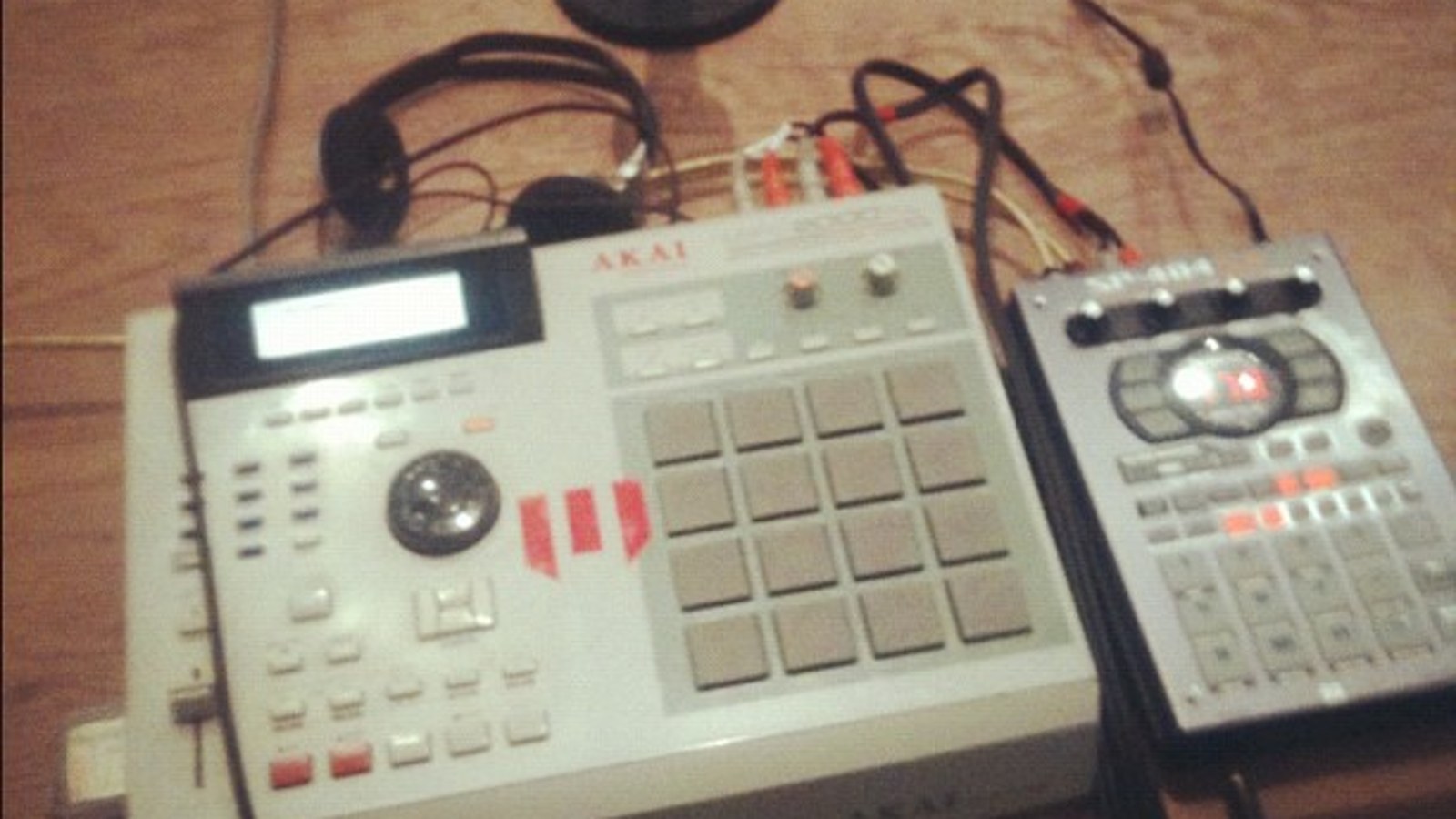
A sampler is the one piece of hardware that changes how a beat gets made rather than how it sounds. Pull a loop off a record, chop it with fingers instead of a mouse, and the arrangement starts behaving like a performance. Three machines dominate that conversation in 2026, and they solve it three different ways: the Roland SP-404MKII (opens in a new tab) treats sampling as an effects performance, the Akai MPC Sample (opens in a new tab) puts the classic MPC sequencer into a battery-powered box with a speaker and a mic, and the Teenage Engineering EP-133 K.O. II (opens in a new tab) turns the whole process into a pocket instrument with 999 sample slots.
All three run standalone -- no laptop, no DAW, no interface required. What separates them is workflow: pad-and-effect immediacy, sequencer depth, or portability with a punch-in fader. The comparison below covers the specs that change a session, then each machine on its own terms.
Quick comparison
| Roland SP-404MKII | Akai MPC Sample | Teenage Engineering EP-133 | |
|---|---|---|---|
| Pads | 17 velocity-sensitive RGB | 16 MPC pads | 12 velocity-sensitive |
| Display | OLED with waveform editing | 2.4" full-color | Monochrome LCD |
| Storage | 16 GB internal + SD | microSD card | 128 MB internal |
| Voices | 32-voice polyphony | Disk-streaming engine | 12 stereo / 16 mono |
| Sample capacity | 160 samples per project, 16 projects | 100+ factory kits, microSD | 999 sample slots |
| Effects | Expanded MFX bank, resampling | 4 FX processors, 60 types | 6 master FX, 12 punch-in 2.0 |
| Mic / speaker | No | Built-in mic and speaker | Built-in mic and speaker |
| Power | USB-C, USB battery, 6 AA, or AC | Rechargeable lithium-ion | USB-C or AA |
| Weight | 2.6 lb / 1.2 kg | Compact portable | Pocket-scale |
| Buy | Amazon (opens in a new tab) | Amazon (opens in a new tab) | Amazon (opens in a new tab) |
Roland SP-404MKII: the effects box that happens to sample
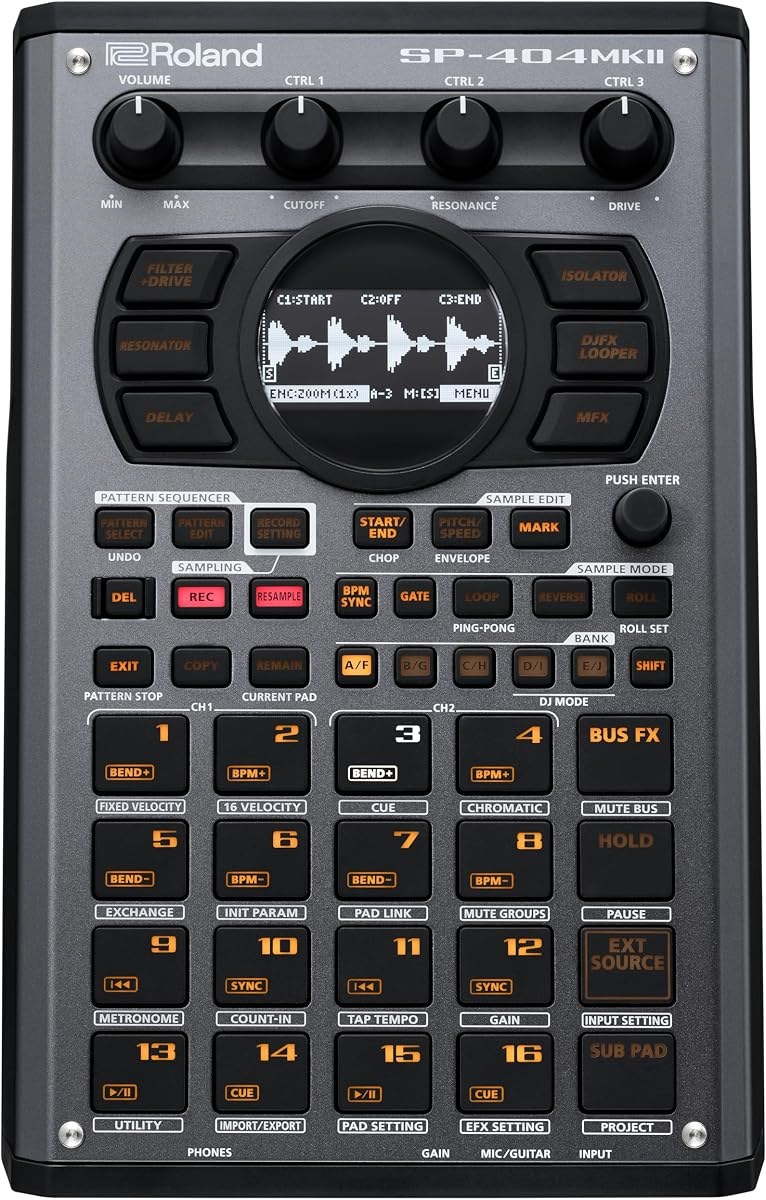
The SP lineage earned its reputation on performance, not editing, and the SP-404MKII (opens in a new tab) leans all the way into that. Seventeen velocity-sensitive RGB pads use a no-click design that makes fast rolls feel consistent, and the OLED display finally allows visual waveform editing and full menu access on the unit instead of by memory. Roland cites 32-voice polyphony, 160 samples per project, and 16 internal projects -- enough to hold a live set rather than a single loop.
The workflow argument is speed. 16 GB of internal storage, quick startup and load times, and low-latency pads mean sound gets in and out of the machine without a file-management detour. The effects bank is the real draw: chained MFX with resampling turns a plain drum loop into the crushed, filtered, saturated texture that made the 404 a genre signature in the first place.
Power options matter for anyone who works outside a studio. The SP-404MKII (opens in a new tab) runs off USB-C, a USB mobile battery pack, six AA batteries, or an AC adaptor, and at 2.6 lb it travels in a tote. A pre-loaded library of 144 professionally recorded samples and patterns means the first session starts with sound already in the pads.
Akai MPC Sample: the MPC workflow, untethered
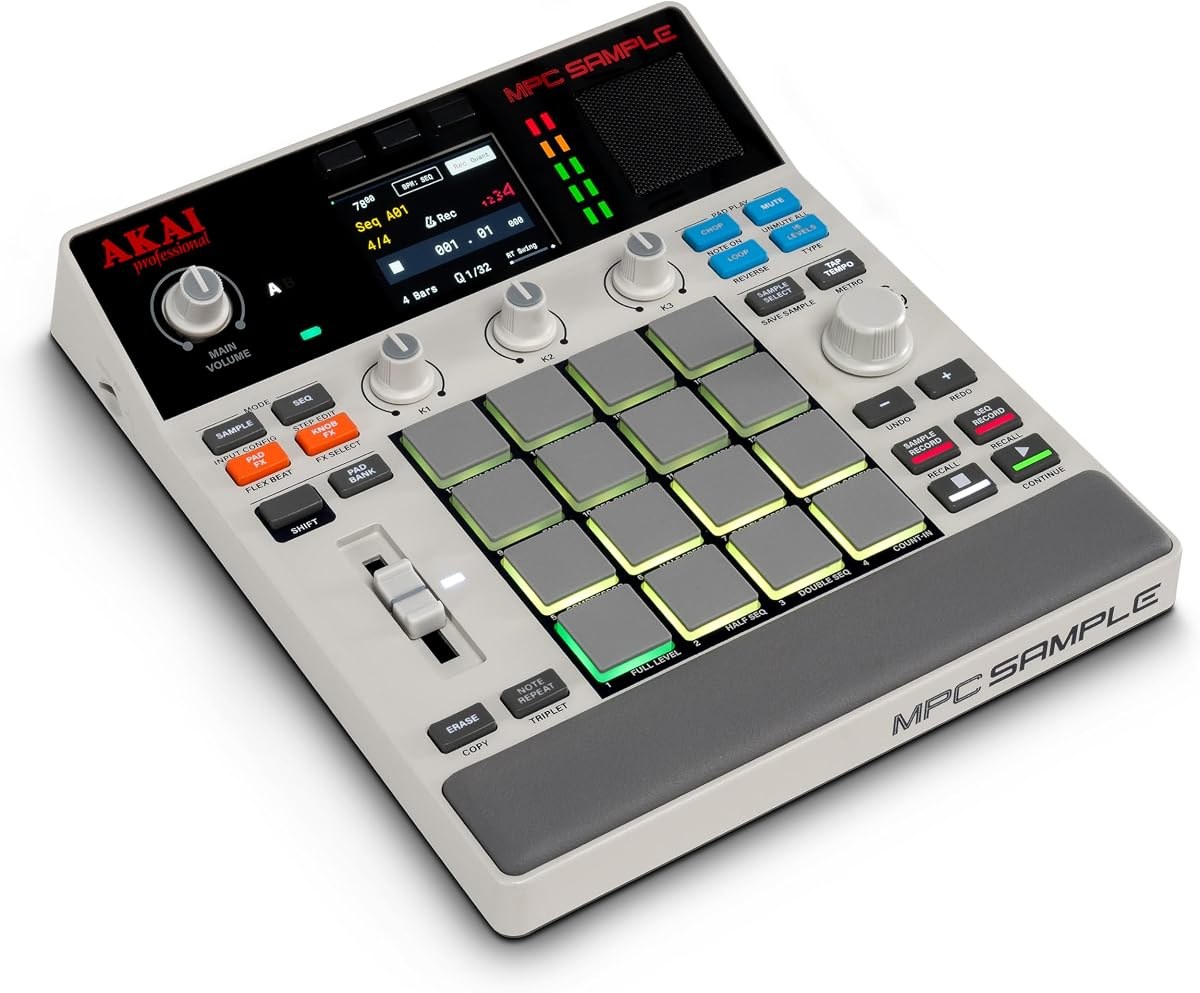
The MPC Sample (opens in a new tab) is Akai's entry point into the sequencer that defined sample-based production. Sixteen responsive MPC pads sit under a 2.4-inch full-color display, and the whole unit is standalone: a rechargeable lithium-ion battery, a built-in speaker, an internal microphone, and microSD card storage mean a beat can be sampled, chopped, and finished on a train.
The chopping tools are what separate it from a generic groovebox. Instant Sample Chop Mode, real-time timestretch and repitch, and internal resampling with effects take a raw recording to a playable kit without leaving the pads. Four internal FX processors offer 60 effect types with dedicated knob control, including Flex Beat, the Color Compressor, vinyl and tape emulations, and a master compressor with retro color for glue.
Connectivity is more complete than the price suggests: stereo 1/4-inch TRS line in and out, 1/8-inch headphones, MIDI in and out via a 1/8-inch to DIN adapter, a sync out, and a record gain knob. USB-C handles audio and MIDI to a computer, so the MPC Sample (opens in a new tab) drops into a live rig or a desk setup without becoming an island. Over 100 factory kits ship on board for producers who want to start playing before they start digging.
Teenage Engineering EP-133 K.O. II: 128 MB and a fader
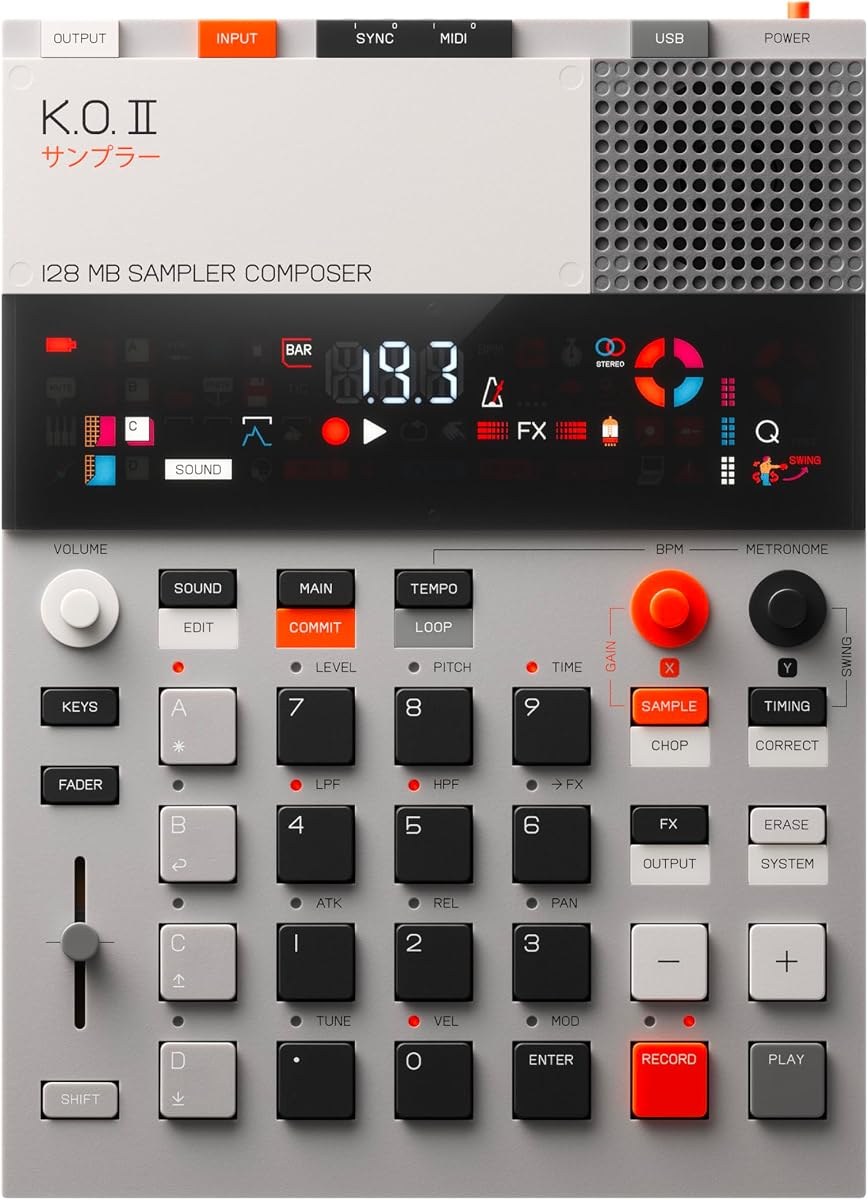
The EP-133 K.O. II (opens in a new tab) descends from the PO-33 K.O!, and this revision doubles the memory to 128 MB while shipping in a redesigned paper-foam box built for everyday carry. The headline numbers: 999 sample slots, a four-track sequencer with 12 stereo voices or 16 mono, six master effects, and 12 punch-in 2.0 effects.
The sequencer is the reason producers keep one on the desk next to a bigger machine. Four groups times 99 patterns allow instant per-group pattern swaps, DAW-style, so bass lines and drum variations can be auditioned against each other in real time. The commit button freezes a moment and moves on -- a verse, a break, a turnaround -- which is how a loop becomes an arrangement without stopping to edit.
Performance is built into the hardware rather than bolted on. The multifunctional fader controls stereo effects and punch-in effects on the fly, automating filter and pitch moves while the pattern runs. Sampling happens through the line-in or the built-in mic, monitoring through the built-in speaker or line-out, and sync in/out plus MIDI in/out lock the K.O. II (opens in a new tab) to whatever else is running.
Which sampler belongs on which desk
Buy the SP-404MKII (opens in a new tab) to perform textures. Anyone whose beats live and die on filtered, saturated, resampled loops is buying the effects chain as much as the sampler, and the 17-pad layout with 16 GB of storage is the fastest path from a record to a finished pad bank.
Buy the MPC Sample (opens in a new tab) to sequence. The 16 MPC pads, the color display, the chop modes, and the 60 onboard effects make it the most complete standalone production box of the three, and the built-in mic and speaker mean nothing else has to be in the bag.
Buy the EP-133 K.O. II (opens in a new tab) to keep ideas moving. 128 MB, 999 slots, four groups of 99 patterns, and a fader that automates effects in real time make it the sketchpad that finishes tracks -- and the one that fits in a jacket pocket on the way to the session.
None of the three needs a computer to make a record. Match the machine to the habit: effects performance, sequencer depth, or portability that removes the excuse.
Disclosure: this article contains Amazon affiliate links. Purchases made through them may earn Sampled a commission at no additional cost to the reader. Product photography courtesy of Roland (opens in a new tab), Akai Professional (opens in a new tab), and Teenage Engineering (opens in a new tab). Cover photo by Marc Weidenbaum via Wikimedia Commons (opens in a new tab) (CC BY 2.0).