 SAMPLED
How Do You Plan Your Own Local Tour? A Step-by-Step Guide for Independent Artists
Routing, booking, budgets, promotion and merch: how to turn a handful of nearby shows into a small regional run that pays for itself.
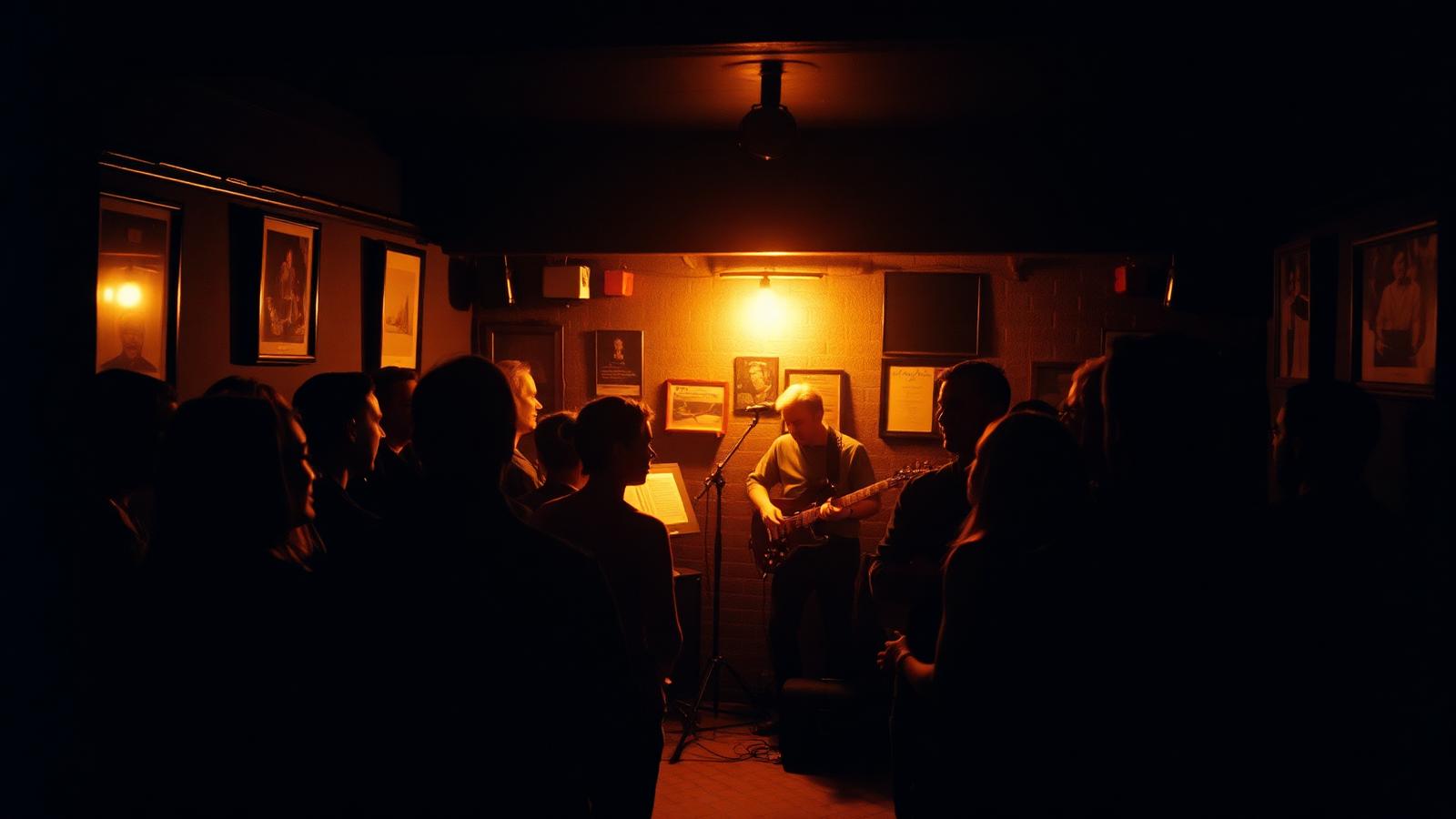
A local tour is a short run of shows in your home city and the towns within a few hours' drive. It is the cheapest way to learn touring: you sleep in your own bed or a friend's couch, your gas bill stays small, and every show builds a fan base you can return to in a few months.
This guide walks through the process in the order you would actually do it.
What counts as a local tour?
Think of it as 4 to 8 shows over one to three weekends, all within about a 3-hour drive of home. A common shape:
| Night | Market | Why it is on the route |
|---|---|---|
| Thursday | College town 1 hour away | Students go out midweek |
| Friday | Nearest big city | Best night for a bigger draw |
| Saturday | Your hometown | Your strongest crowd, so make it the anchor |
| Sunday | Small town or house show | Low pressure, easy to fill a small room |
Short drives mean you can work a day job and still play.
Step 1: Decide what the tour is for
Pick one main goal so every decision has a tiebreaker:
- Grow new markets: favor opening slots on bills with local acts who already draw.
- Make money: favor rooms you can fill and push merch hard.
- Support a release: time the run to the week a single or EP comes out (see how to get your music distributed).
Step 2: Map your markets honestly
List every city within your driving range, then write down what you actually have there: fans who follow you, friends, a band you know, a venue that has booked you, a college radio station. Cities with zero connections can still work, but only if you share the bill with a local act.
Check where your listeners are. Spotify for Artists, Apple Music for Artists, YouTube Studio and Bandcamp all show listener locations. A town with a few hundred listeners is a better bet than a bigger city with none.
Step 3: Pick the right rooms
Match the room to your real draw. A packed 60-capacity bar beats a half-empty 300-cap club every time—the energy is better, the venue wants you back, and you sell more merch.
Good local-tour rooms include:
- Small bars and listening rooms
- Record stores and coffee shops with in-store shows
- House shows and DIY spaces
- Breweries and wineries with a music night
- Library, campus and community-center events
- Opening slots for touring acts passing through
Step 4: Book the shows
Start booking 8 to 12 weeks out. Lead with the anchor show (your hometown or best city), then fill the nights around it.
When you email a venue or local promoter, keep it short:
Subject: Booking inquiry – [Band name], [two date options]
Hi [Name], I'm [name] from [band], a [genre] act from [city]. We're routing a short regional run and would love to play [venue] on [date] or [date].
We drew [number] at [recent show], and we can bring local support from [band]. EPK and live video: [link].
Thanks, [name and phone]
Have a press kit ready before you send anything—our EPK guide has a template. Follow up once after about a week. If there is no reply after two follow-ups, move on.
Get the deal in writing. Even a confirmation email should cover: date, load-in and set times, set length, pay (flat fee, door split, or percentage after costs), who runs sound, backline you can use, merch cut if any, guest list, and drink or food tickets.
Step 5: Build a simple budget
Write down every cost before you confirm the route, so you know your break-even.
| Cost | How to estimate it |
|---|---|
| Gas | Total miles ÷ vehicle MPG × local gas price |
| Food | A fixed amount per person per day |
| Lodging | Friends first, then a split motel room |
| Merch stock | Your per-unit cost × how many you expect to sell |
| Promotion | Posters, a small social ad budget |
| Extras | Strings, drumheads, parking, tolls |
Then estimate income from guarantees, door splits and merch. Merch is often the difference between losing money and breaking even on small shows, so read how to make your own merch before you leave. CDs are still cheap to make and easy to sell at a table too—see how to make your own CDs.
 Photo: Ezra Jeffrey via Wikimedia Commons (opens in a new tab) (CC0)
Step 6: Promote every date separately
Each city needs its own push. A single "tour announcement" post is not enough.
- Announce the full run 4 to 6 weeks out with one clean graphic listing every date.
- Post city-specific reminders a week before and the day of each show.
- List the dates on Bandsintown, Songkick and your website so fans get alerts.
- Ask the other acts and the venue to share, and share their posts back.
- Hang posters in record stores, cafés and campus boards near each venue.
- Pitch local press: college radio, alt-weeklies, local music blogs and community calendars.
- Message fans directly who live in each city. A personal note sells more tickets than an ad.
Step 7: Plan the logistics
Make one shared document or spreadsheet with every show's address, contact name and phone, load-in time, set time, pay terms and where you are sleeping. Then:
- Pack a kit with spare cables, strings, batteries, a power strip, tape and a basic tool set.
- Bring a card reader and a printed QR code for your mailing list.
- Leave travel time for traffic and load-in, not just driving time.
- Know who is driving each leg, and who collects pay at the end of the night.
Step 8: Run the merch table well
Put the table where people walk past it, light it, and price clearly with round numbers. Mention merch from the stage once, near the end of your set. Have someone staff it before and after you play, and collect emails—those contacts are what make the next run easier to book.
Step 9: Follow up after the tour
Within a week:
- Thank every venue, promoter and opening act by email.
- Post photos and video from each city and tag the venue.
- Email new mailing-list signups.
- Compare actual income and costs with your budget.
- Note which cities worked so you can return in 3 to 6 months with a bigger show.
Common local-tour mistakes
- Playing the same city too often. Space out hometown shows so each one feels like an event.
- Booking rooms that are too big. A full small room always looks better.
- No written agreement. Confusion over pay causes most bad nights.
- Weak promotion in new cities. If nobody there knows you, lean on local openers.
- Forgetting to collect emails. Followers come and go; a mailing list stays yours.
FAQ
How far in advance should you book a local tour?
Start about 8 to 12 weeks before the first date. Smaller rooms and house shows can sometimes be booked faster, but promotion needs at least 3 to 4 weeks.
Do you need a booking agent for a local tour?
No. Most local and regional runs are booked by the artist. Agents usually take on acts after they can show steady ticket sales.
How do local bands get paid for shows?
Usually a flat guarantee, a share of the door, or a percentage of ticket sales after the venue's costs. Small shows often pay little, so merch sales matter.
Should you play with other bands on a local tour?
Yes, especially in cities where you have few fans. Sharing a bill with a local act brings their audience to you, and you can return the favor in your city.
How many shows should a first local tour have?
Four to six is a good first run. It is enough to learn routing and promotion without risking much money or time off work.