 SAMPLED
Small rooms are the new platform marketing — and that is good news for local promoters
A streaming service is putting established artists in tiny hometown venues. The format is old; the reason it is back is data.
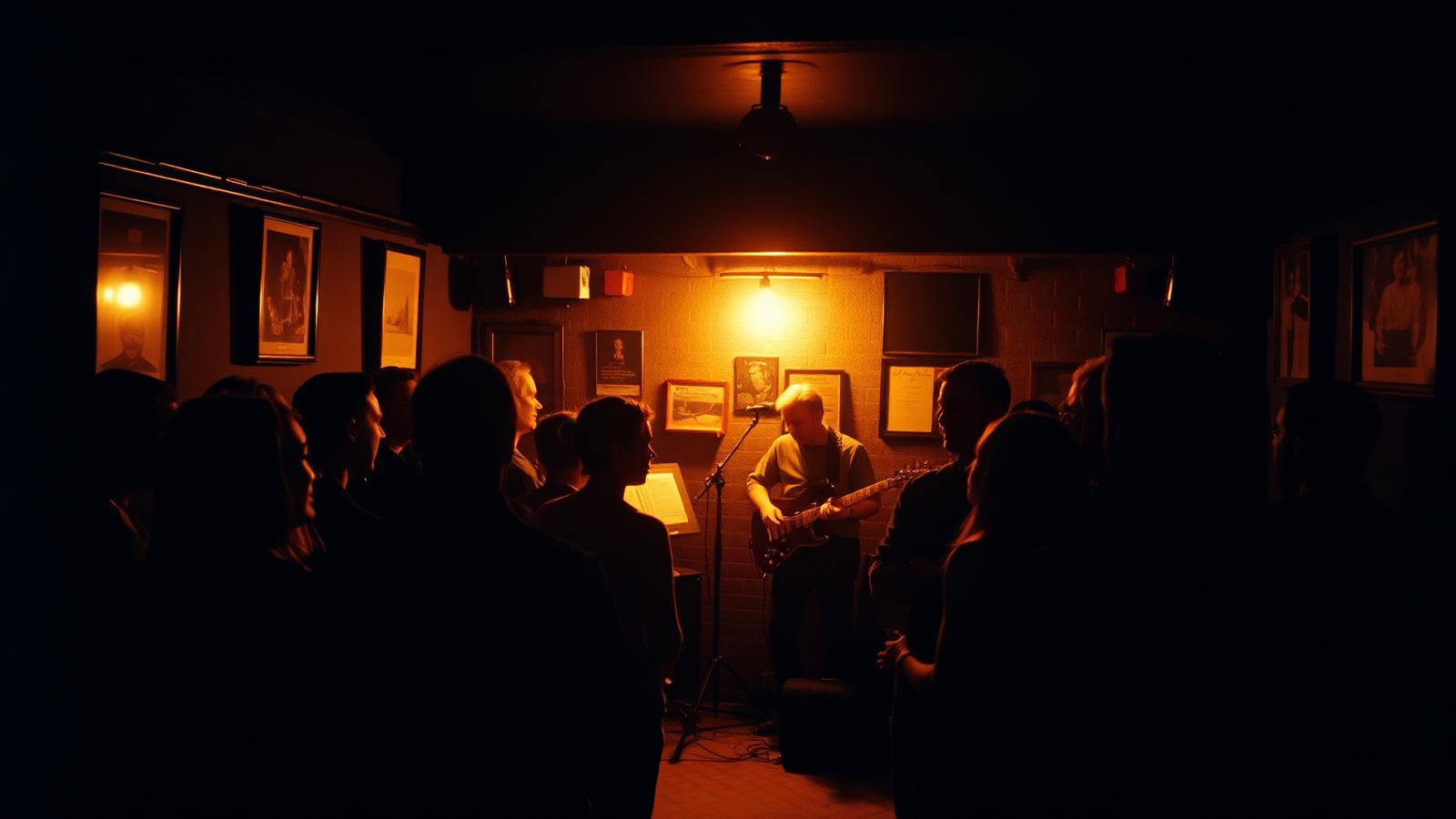
A streaming platform announced a run of intimate hometown shows with artists playing rooms far smaller than they can sell. The format is not new — radio stations ran it for decades. What is new is who is paying and why.
Why a platform pays for a 200-cap show
Streaming services do not need ticket revenue. They need three things a small show produces cheaply:
- Footage. A sweaty room shot well outperforms an arena clip in vertical video, because you can see faces.
- Editorial hooks. A show gives playlists and podcasts a reason to feature an artist on a specific date.
- Local data. Hometown markets show where an artist's listener density is real rather than algorithmic.
What it means for artists at any level
You cannot get a platform to book you. You can copy the logic:
- Play under your capacity once per cycle. A sold-out small room photographs better than a half-full big one, and the story writes itself.
- Choose the city by your listener map, not your nostalgia. Your streaming dashboard already tells you where the density is.
- Film it properly. One camera operator who understands lighting beats four phones.
- Announce short. Two weeks out, one channel. Scarcity is the point.
For promoters and venues
When a platform runs a hometown series, the venues involved get a rare thing: a marketing budget bigger than their own. The move is to negotiate for the asset, not the fee — footage with your room in it, a mailing-list capture at the door, and a named credit in the platform's post.
How to learn more: platform newsrooms publish these series with dates and venues; the artist's own socials carry the ticket link, and it is usually a same-day on-sale.