 SAMPLED
Why Is Ed Sheeran's Loop Tour Falling Apart?
Macklemore was pushed off the bill for saying 'Free Palestine.' Within 48 hours every remaining support act — and Sheeran's own backing band — walked. Here is what happened and what it tells working musicians about who really controls a stage.
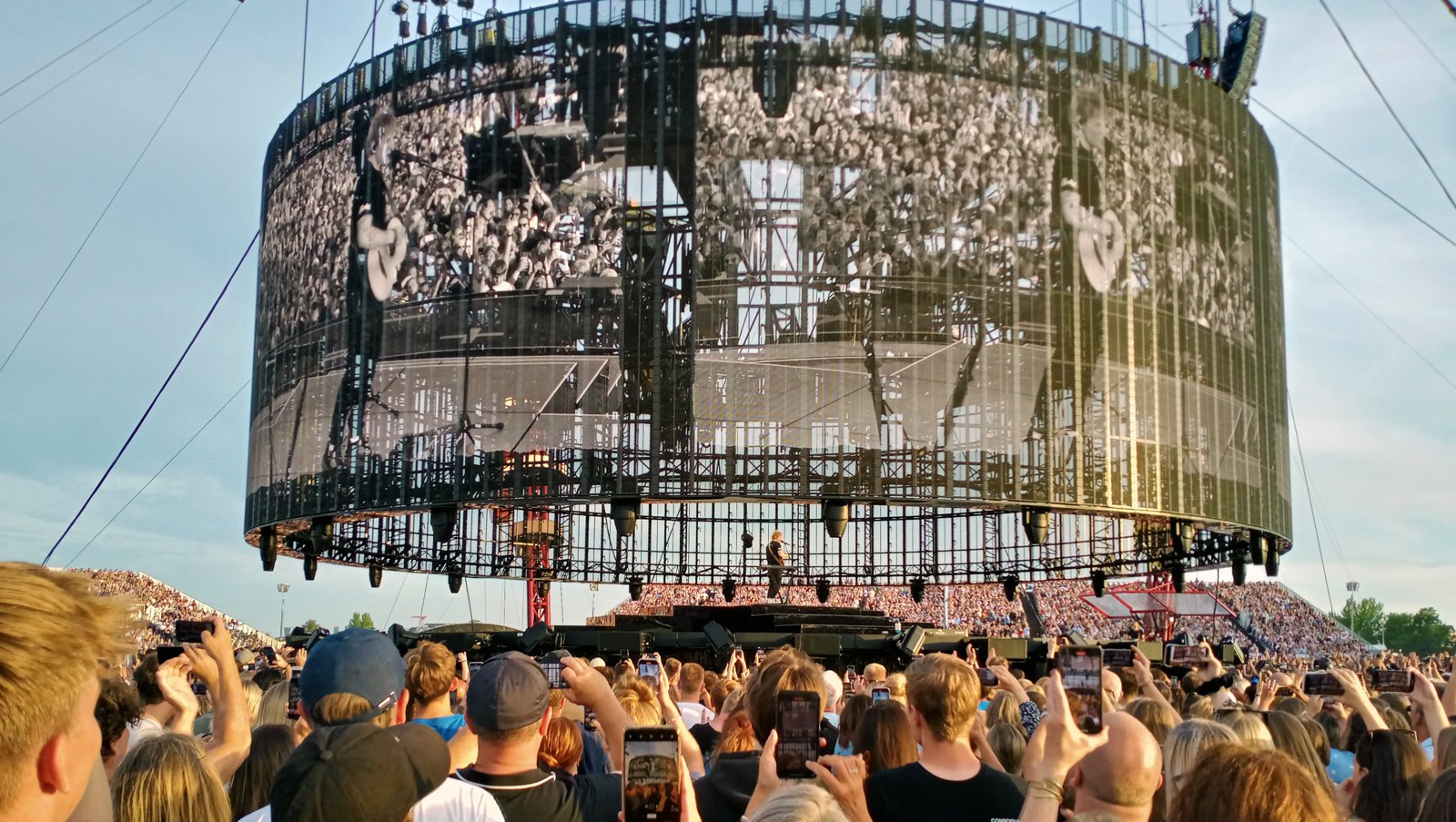
Ed Sheeran's Loop Tour was, by the numbers, the biggest thing in live music this year. The Oceania leg alone grossed $98.6 million from 754,050 tickets across 17 stadium shows. Then, in the space of about 48 hours in mid-September 2026, the bill emptied out.
Macklemore was removed from the remaining US dates after pro-Palestinian comments onstage. Every other support act quit in solidarity. So did Beoga, the Irish folk band that plays with Sheeran during the middle of his set. The tour resumes in Philadelphia with a headliner, a loop pedal, and almost nobody else.
What actually happened, in order
Sept. 4–5, MetLife Stadium, New Jersey. Opening for Sheeran, Macklemore told the crowd he wanted people in Gaza and the occupied West Bank to know they had not been forgotten, and said "Free Palestine." He also said: "To all of my Jewish brothers and sisters, criticism of Israel, criticism of apartheid, being against genocide, it in no way is criticism of you."
The pressure campaign. The Israeli American Council circulated a petition demanding his removal, arguing a stadium concert is "not a political rally."
Sept. 14. Messina Touring Group, promoter of the US leg, confirmed Macklemore was off the remaining support dates. Its statement said venues "notified" the promoter they "will not allow a concert to take place with Macklemore on the lineup, which would result in the cancellation of the tour." He had been booked for eight of the ten remaining US shows, including Gillette Stadium, Mercedes-Benz Stadium and Lucas Oil Stadium.
Sept. 15. Macklemore said the removal was driven by Robert Kraft, the billionaire owner of the New England Patriots and Gillette Stadium. Sheeran posted a bulleted list of "facts" on Instagram confirming venues had threatened to pull shows and that the promoter made the call: "I spoke with the venues at length all week to try and build a bridge."
Sept. 15–16. Aaron Rowe went first. Then Lukas Graham. Then Beoga. Then Finneas.
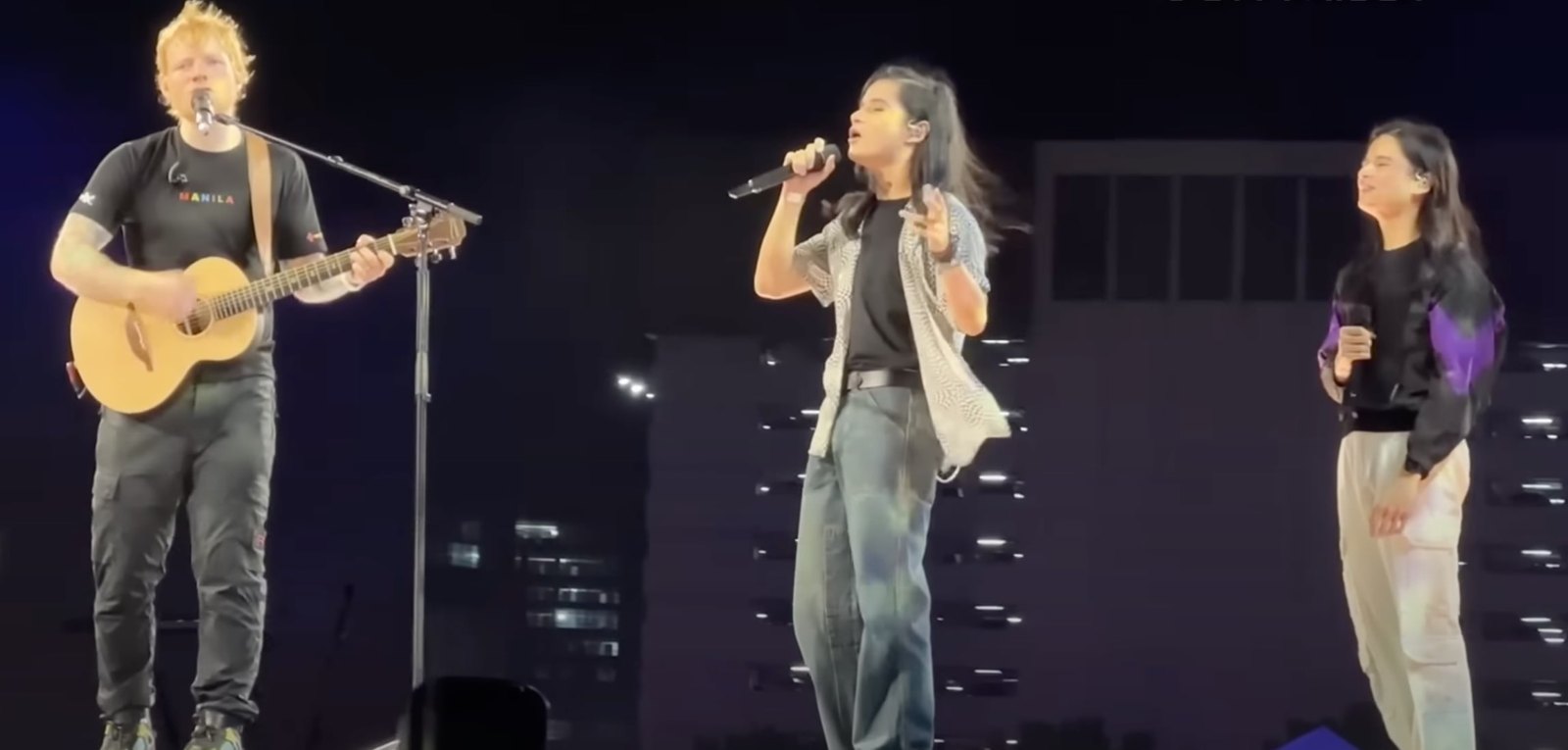 Photo: Patrick Cristiano, CC BY 4.0, via Wikimedia Commons
Who walked, and what they said
- Aaron Rowe (Irish singer-songwriter, was set to replace Macklemore): "I cannot stand by and allow billionaires to use their position of power to silence the rightful voices of those who speak up." He also thanked Sheeran, who "has been a friend to me and has changed my life."
- Lukas Graham (Danish band, also slotted in as a replacement): "Money doesn't give you the right to own the conversation. Nobody's bank balance should decide who gets to speak."
- Beoga (Irish folk band, performed several co-written songs inside Sheeran's set): cited Ireland's own history of colonisation.
- Finneas (booked for South American dates in November): "Artists must not be silenced when they speak up for the oppressed. I stand with Palestine and its people."
That is not a support slot shuffle. Beoga's exit changes the show itself.
Why this matters to musicians who will never play a stadium
The uncomfortable lesson is not about Palestine, Sheeran, or Kraft personally. It is structural, and it applies at every level of the business.
1. The venue owns the stage, not the artist. Sheeran is one of the biggest touring acts alive and he still could not keep his own opener on the bill. The entity that controls the building controls the lineup. That is equally true of a 200-cap bar with a promoter who does not like what you said between songs.
2. Your promoter's incentives are not your incentives. Messina's statement framed the choice as "drop him or cancel the tour and refund hundreds of thousands of fans." From a promoter's chair that is arithmetic. From an artist's chair it is a position being taken on your behalf.
3. Silence is also a position. Sheeran's long-standing stance is that fans do not come to his shows for politics. That worked until the week it cost him his entire undercard. Neutrality does not exempt you from the fight; it just means someone else picks your side.
4. Support acts have more leverage than they think — collectively. One opener withdrawing is a news item. Four withdrawing in a day, including the band embedded in the headliner's set, rewrites the story and forces the headliner to answer. Solidarity is leverage that costs each individual less than it looks like.
5. Get the political clause in writing. Most support agreements include content and conduct language that lets a promoter or venue remove you. If you tour with anything to say, read that clause before you sign, and know what "at the venue's discretion" actually means.
6. Own a channel that nobody can pull. Every artist in this story delivered their position directly on Instagram, unmediated. Your mailing list, your feed, your site — that is the part of your career a stadium owner cannot cancel. Build it before you need it.
Does the tour survive?
Financially, almost certainly. Sheeran sells the building on his own; openers are not what moves 44,000 tickets a night. The Philadelphia date and the rest of the US leg are still scheduled, and the South American leg runs through 12 December 2026 in Mexico City.
Reputationally is another question. Sheeran spent a decade as the least controversial major artist in pop. He now has a tour where being apolitical became the story.
FAQ
Was Macklemore fired by Ed Sheeran? No. Sheeran says the decision was made by promoter Messina Touring Group after venues threatened to pull shows. Macklemore attributes the pressure to Gillette Stadium owner Robert Kraft.
Are the shows cancelled? No. The US leg resumed as scheduled; what changed is the support lineup and Beoga's in-set appearances.
Can a venue really remove an opening act? Yes. Venue agreements and support contracts routinely give the building and the promoter final say over who appears. This is standard at every scale of touring.
Do fans get refunds if the opener changes? Almost never. Support acts are advertised as "subject to change" in nearly every ticket term.