 SAMPLED
What Is a Performing Rights Organization and Do You Need One?
PROs collect the money your songs earn when they get played in public. Here is what that covers, what it does not, and how to join.
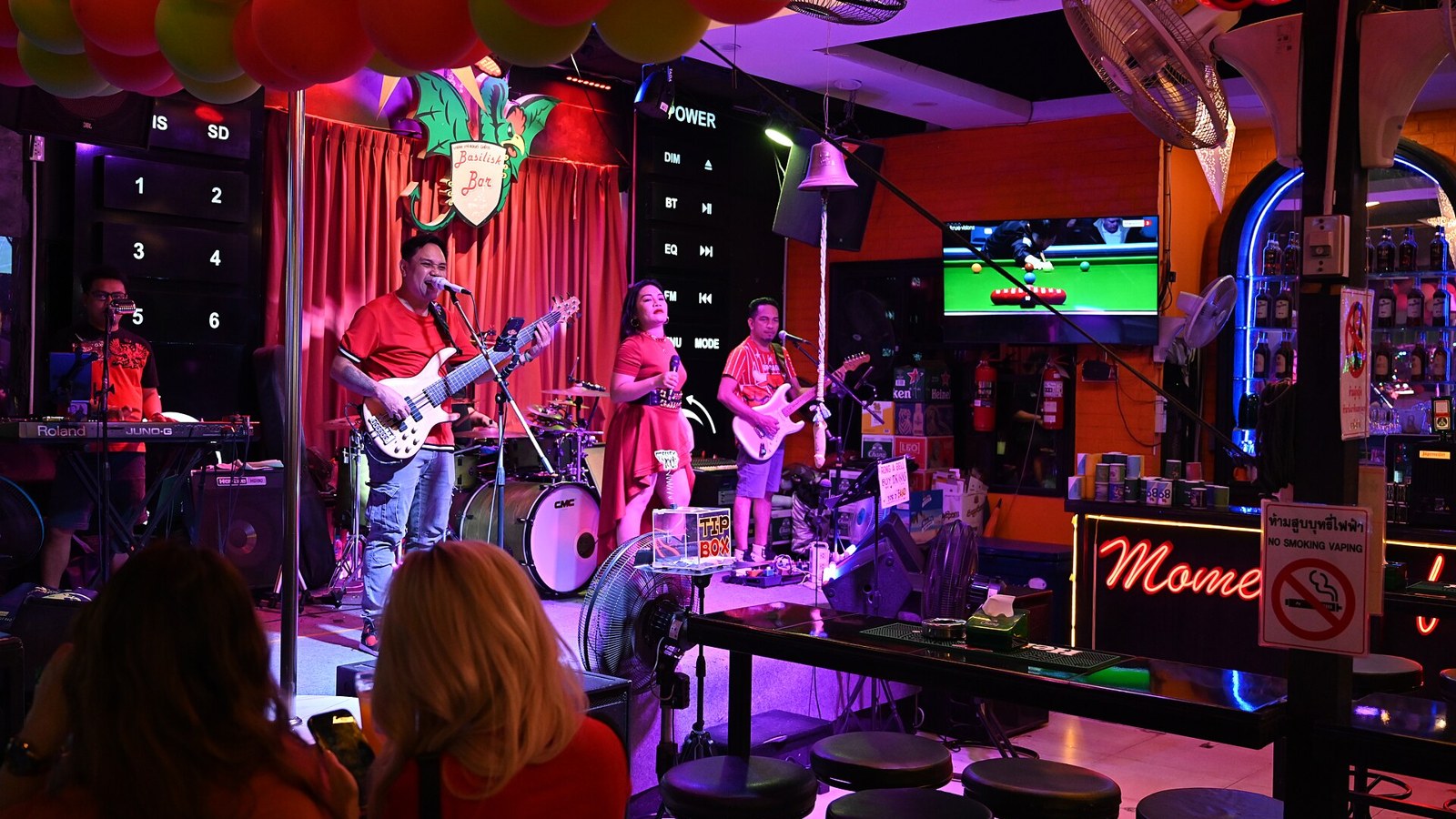
If you write songs, there is money out there with your name on it that nobody will send you unless you ask.
That is what a performing rights organization is for. A PRO licenses your compositions to everyone who plays music in public — radio stations, streaming services, bars, gyms, TV networks, stadiums — collects the fees, and pays your share.
You cannot do this yourself. No songwriter can individually negotiate with every coffee shop in America.
Song versus recording
This is the distinction that unlocks the whole music business, so it is worth thirty seconds.
Every piece of music is two separate copyrights:
- The composition — the melody, chords and lyrics. Owned by the songwriters and their publishers.
- The recording — the specific performance captured in the studio. Owned by whoever paid for the session, usually the artist or a label.
A PRO handles only the composition side, and only public performances of it. Your distributor handles the recording side. They are different money from different places, and artists who write and record their own songs are owed both.
What a PRO pays you for
- Terrestrial and satellite radio play
- Streaming (a performance royalty on the composition, separate from what your distributor pays you)
- Live performances, including your own shows
- Bars, restaurants, retail, gyms, arenas
- TV and film broadcast
What it does not pay you for
- Record sales and downloads (mechanical royalties)
- Streaming royalties on the recording (your distributor)
- Digital performance royalties on the recording — that is SoundExchange, a separate free registration that has paid out over $12 billion since 2003
- Sync fees for placing music in film, TV or ads — those are negotiated deals
The US options
There are four: ASCAP, BMI, SESAC and GMR. ASCAP and BMI are open to anyone and account for the vast majority of American songwriters. SESAC and GMR are invitation-only.
You can only affiliate with one as a writer, though co-writers can each be with different societies. Our full comparison covers how they differ now that BMI is a for-profit company under New Mountain Capital.
Outside the US, you join the society for your country — PRS in the UK, SOCAN in Canada, GEMA in Germany, APRA AMCOS in Australia — and they collect worldwide through reciprocal agreements.
How to actually do it
- Pick a PRO and join as a writer.
- Register every song you have written. Untitled, unregistered songs collect nothing.
- Enter your splits accurately. If you wrote half, register half.
- Register a publishing entity if you want to collect the publisher's share yourself, or use a publishing administrator.
- Report your live shows. BMI Live, for example, lets performing songwriters submit up to six months of concert data for quarterly payment.
- Register with SoundExchange separately for your recordings.
What to expect
Payment is quarterly, and typically arrives five to seven months after the quarter in which the performance happened. That lag is normal across the industry. Small catalogs earn small cheques at first — this is a long game, and the point is that the pipe exists and is pointed at you.
If you want the arithmetic on the streaming side, our Spotify royalties explainer does the maths.
Questions people actually ask
Do I need a PRO if I only release on Spotify? Yes. Streaming generates a performance royalty on the composition that your distributor does not collect.
Do I need one if I only cover other people's songs? No — that money goes to the writers of those songs. The venue's licence covers the performance.
Is joining free? Songwriter membership is free or a modest one-time fee depending on the society, and fees change. Check the join page on the day you sign up.
Can I switch PROs later? Yes, at defined resignation windows written into your agreement. Read that clause before you sign.
Do I need a publisher too? Not a traditional one. But if nobody collects the publisher's share, it can sit unclaimed. Self-publish or use an administrator.
How long before I see money? Realistically, two to three quarters after your first real performances.