 SAMPLED
How Do You Make an EPK for Your Music? A Practical Press Kit Guide
Build an electronic press kit with music, a clear artist bio, downloadable photos and the right information for bookers, journalists and radio. Includes a template and a send-ready checklist.

To make an electronic press kit, put your best music, a concise artist bio, usable photos and contact information in one easy-to-open place. Then arrange it for the person receiving it: a venue needs to understand your live show; a journalist needs a story and publishable materials. You do not need a famous name or a long list of reviews to begin.
An EPK should answer three questions quickly: What do you sound like? Why is this relevant to me? How do I contact you or use the materials? A complicated design cannot compensate for missing answers.
What is an EPK, and who uses it?
EPK stands for electronic press kit. MusicNSW describes it as an online artist résumé or professional portfolio used by venue bookers, festival programmers, radio presenters, promoters, labels and funding bodies. Its guidance emphasizes clear navigation, working links and keeping the material current. 1 (opens in a new tab)
It is not the same thing as an electronic pitch. The pitch explains why you are contacting someone; the kit supplies the evidence and materials behind that request. Nor is an EPK a guarantee of coverage or a booking.
An artist website can contain an EPK page, but your general homepage may have a different job. Fans might want tickets and merch; a programmer might need a live recording, lineup and technical requirements. Give professional recipients a direct link rather than making them search.
What should a music EPK include?
The following is a practical starting point, not a compulsory industry specification. MusicNSW and the Improvised Music Company recommend overlapping essentials, but their suggested bio lengths and photo quantities differ. Follow a recipient's application requirements when they provide them. 1 (opens in a new tab) 2 (opens in a new tab)
| Material | What to provide | What to avoid |
|---|---|---|
| Artist introduction | Name, location, a clear description of the sound and current project | A paragraph of unexplained superlatives |
| Music | A small selection of representative songs with direct listening links | Making someone search your entire catalog |
| Video | A strong live performance for booking; a suitable music video when relevant | A clip that misrepresents the show you are offering |
| Bio | Short and longer versions that can be copied as text | A biography available only as an image |
| Photos and artwork | Downloadable images with filenames, credits and usage information | Screenshots of tiny social-media pictures |
| Current news | Release details, confirmed shows or a specific project update | Old dates presented as upcoming events |
| Evidence | Relevant, accurately attributed coverage or achievements | Invented quotes, inflated numbers or unverifiable claims |
| Contact | An actively monitored professional email and relevant links | Sending every inquiry to an abandoned account |
1. Choose a format people can actually open
A dedicated page on your artist website is a useful default. Put the essentials on the page and link to a clearly organized download folder. MusicNSW suggests considering both an online version and a downloadable PDF; the Improvised Music Company also recommends a shareable folder for direct sends. 1 (opens in a new tab) 2 (opens in a new tab)
A PDF can be convenient for an application, but it should not be the only place someone can find your listening links or copy your biography. The Improvised Music Company specifically notes that an editable bio document can be easier to copy from than a PDF. 2 (opens in a new tab)
Our recommendation: start with the simplest format you can maintain. Before paying for a specialist service, check whether your existing website and file-sharing tools already do the job. Compare current charges, storage limits and sharing settings directly; there is no universal EPK price.
Test the page and downloads in a private browser window. A folder that works only while you are signed in will not help a recipient who cannot access it. Share viewing or download access, not editing access, unless collaboration is intentional.
2. Lead with music, not your life story
Select a few recordings that represent the work you are pitching. The Improvised Music Company recommends choosing two or three strong music or video examples rather than overloading the page. It also recommends a live recording so a booker can assess the performance. Those numbers are its guidance, not a universal limit. 2 (opens in a new tab)
Label each item with the artist, title and relevant release information. For a live pitch, state which lineup appears in the clip and whether it matches the lineup available to book.
For unreleased music, use a controlled preview rather than accidentally making the release public. MusicNSW's radio guide suggests a private SoundCloud link for pre-release listening and a separate high-quality WAV download, while advising against attaching WAV files to the email itself. Check each station's submission instructions before sending. 3 (opens in a new tab)
A private link is an access method, not a confidentiality agreement. Share only material you are comfortable providing to that recipient, and check whether the link expires or requires a password.
3. Write a bio someone else can use
Begin with the artist name, location and a concrete description of the music. Then explain the current project and add relevant, verifiable context. Save the full childhood story for an interview unless it genuinely helps explain the release.
MusicNSW suggests a short bio under 200 words and a longer one up to 400; the Improvised Music Company suggests a short version under 100 and a longer one up to 500. The useful lesson is to have two usable lengths, not to treat either organization's numbers as a rule. 1 (opens in a new tab) 2 (opens in a new tab)
Try this fill-in structure:
[Artist name] is a [location]-based [artist/band/producer] making [specific musical description]. Their [release or current project], [title], explores [subject or musical idea] through [distinctive instrumentation, production or performance approach]. [One relevant, verifiable achievement or collaboration, if available.] For [booking/press/radio] inquiries, contact [professional email].
Everything in brackets is a placeholder. If you have no press coverage, leave it out. A clear description and a good recording are more useful than a fabricated endorsement.
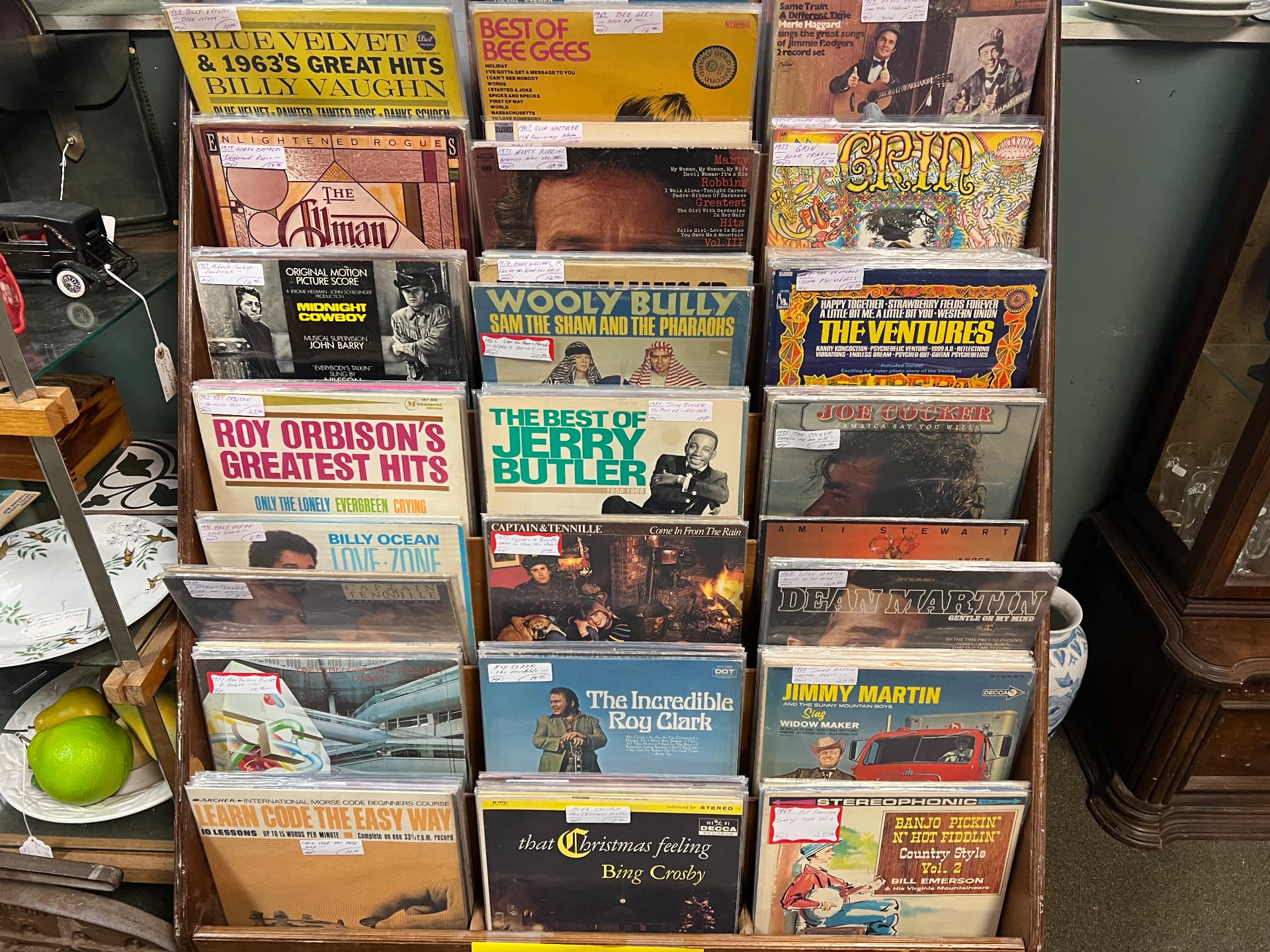
Photo: Robert Anthony / Sampled. Release artwork and physical formats can provide context in a press kit; this photo is illustrative, not an example artist EPK.
4. Make photos, artwork and credits easy to download
MusicNSW recommends high-resolution portrait and landscape press photos. The Improvised Music Company recommends including high- and lower-resolution options in the shared folder. 1 (opens in a new tab) 2 (opens in a new tab)
Use descriptive filenames rather than leaving everything as an anonymous camera export. Keep image credits and any agreed usage conditions alongside the files. As a practical precaution, confirm with the photographer or rights holder that you can share the pictures for the intended promotional use; possessing a file does not by itself establish permission.
Include release artwork if it is relevant to the pitch. If the release also exists on CD or vinyl, label the formats accurately. Our guide to making your own CDs covers putting together a physical release; the EPK should document what actually exists, not promise formats you have not produced.
5. Tailor the kit for booking, press or radio
For a booker: move the live performance near the top. Add your base location, lineup, confirmed availability relevant to the inquiry and an appropriate booking contact. Link practical show documents when needed. A stage plot shows where performers and equipment go; a technical rider describes the show's technical needs. Do not substitute either document for a conversation about the venue's actual equipment.
For a journalist: make the release title, date, story angle, biography, photos and credits easy to find. Include properly attributed review excerpts only when you have genuine coverage; do not crop a quote so it changes the meaning.
For radio: prioritize playable music and a clearly labeled download where requested. Provide accurate release information and flag explicit content or the availability of a clean version when relevant. Follow the station's instructions instead of assuming every presenter wants the same file format. MusicNSW's radio guide is a useful starting point. 3 (opens in a new tab)
These are editorial recommendations for arranging your materials, not promises about what any particular outlet will accept. One maintained core kit can serve several audiences without creating multiple neglected websites.
A copy-and-paste EPK page outline
Use this structure as a draft, then reorder it for the recipient:
- Artist name and introduction: location, musical description and professional contact.
- Listen: selected songs, accurately labeled release details and any necessary preview instructions.
- Watch: a representative live performance or relevant music video.
- Current project: what is being released or offered, and when.
- Artist bio: short version, longer version and a copyable download.
- Photos and artwork: download links, credits and any usage conditions.
- Selected coverage: source, date and links for genuine quotes or achievements; omit if unavailable.
- Booking materials: lineup and technical documents when relevant.
- Contact and official links: the right person for the inquiry.
A simple download folder might separate Bios, Photos, Artwork, Music and Live documents. Keep filenames understandable and remove outdated duplicates rather than expecting recipients to identify the latest version.
Check the kit before you send it
- Open every listening, video and download link while signed out.
- Read the page on a phone as well as a computer.
- Confirm the release dates, lineup and contact details are current.
- Check photo credits and sharing permissions.
- Remove unsupported claims and dead social links.
- Make the bio selectable text and keep headings descriptive.
- Label links with their destination or purpose, not a row of identical “click here” buttons.
- Do not require a recipient to join your mailing list to access the materials.
W3C's general accessibility guidance recommends meaningful headings and appropriate text alternatives for informative images. Apply those principles to the page; they are web accessibility guidance, not an EPK-specific certification. 4 (opens in a new tab) 5 (opens in a new tab)
Then send a short, relevant pitch with the direct EPK link. Explain why this release or show fits the recipient rather than sending a long generic introduction. Respect published submission policies and any requested contact method.
Frequently asked questions
Can you make an EPK without press coverage?
Yes. Start with your music, a truthful bio, usable images and contact information. Add genuine coverage later. The source guides include recordings and demos among the materials an artist can provide; a beginner does not need to invent a press history. 1 (opens in a new tab)
Is an EPK the same as a one-sheet?
For this guide, a one-sheet means a concise overview of an artist or release; the EPK is the fuller package of listening links, images, bios and supporting material. Recipients may use these terms differently, so check what they are actually asking you to submit.
Should the whole EPK be public?
Not necessarily. A public page can contain the bio, released music and approved press images. You can share unreleased recordings, private contact details or other sensitive documents separately with the relevant recipient. Check access settings rather than assuming a hard-to-guess link is private.
How often should you update it?
Review it before every pitch and whenever a release, lineup, contact or important link changes. MusicNSW emphasizes keeping the kit current. A fixed schedule is less important than avoiding stale information when someone opens it. 1 (opens in a new tab)
The goal is not to look bigger than you are. It is to make your actual work easy to understand, assess and use. Once the kit is ready, connect it to a wider plan for reaching listeners: our indie-artist music marketing guide explains how performance clips, catalog storytelling and direct support can work together.