 SAMPLED
How Do You Make Money Selling Your Music? CDs at Record Stores, Bandcamp, Sync and More
A practical guide to earning from your music: selling CDs on consignment at local record shops, selling directly online, licensing tracks for video and games, and selling sounds to other producers.
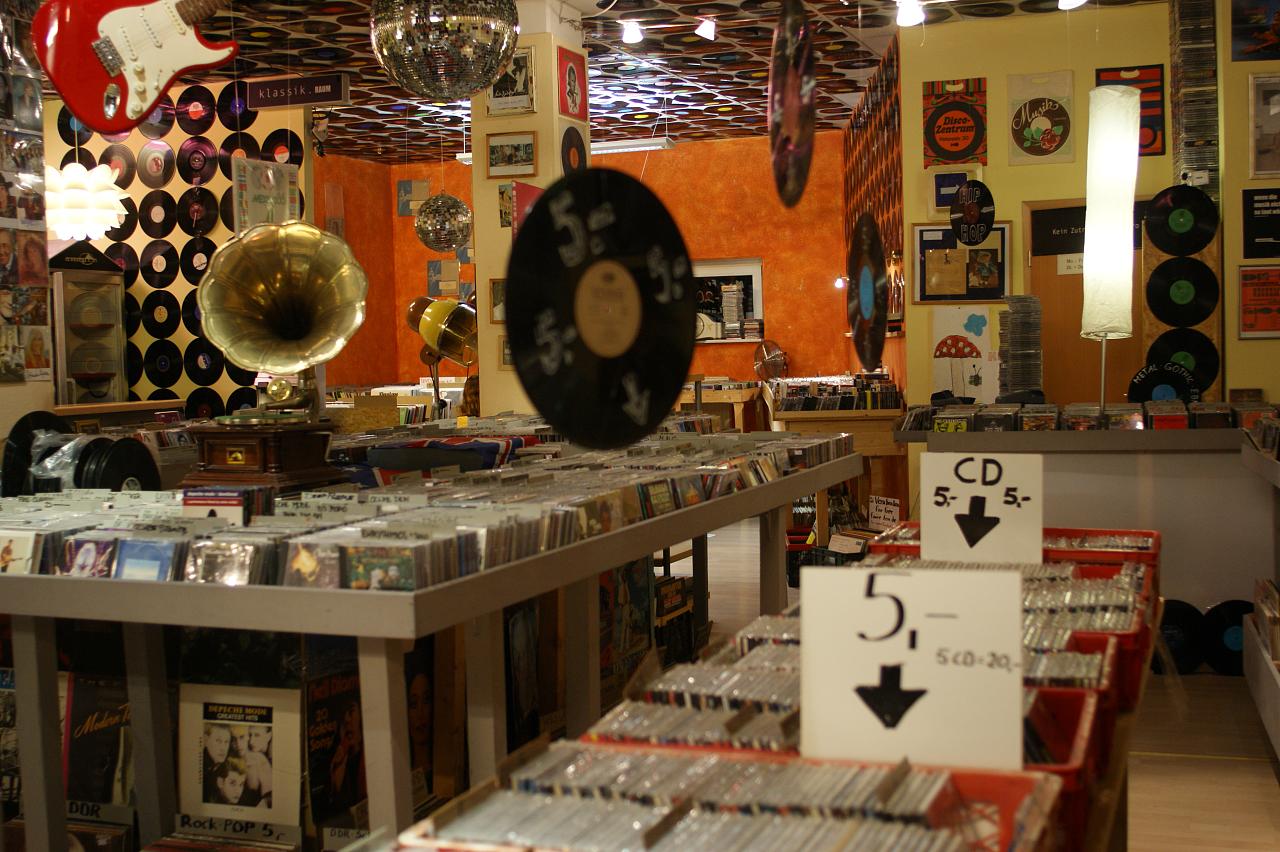
You can make real money from your music by selling CDs through local record shops, selling downloads and merch directly to fans online, licensing tracks for videos and games, and selling sounds to other producers. None of these needs a label. Each one pays you a much larger share of a sale than a stream does, but each also requires some work up front: product, pricing, and a simple way to keep track of what you've sold.
This guide is practical. The numbers below are examples to help you plan, not promises. Store terms, platform fees, and buyer demand vary, so confirm the details with the store or platform before you commit money.
Why should you sell music instead of relying on streams?
Streaming is useful for discovery, but it pays per play, and each play is worth very little to an independent artist. A direct sale is different: one fan who buys a $10 download or a $12 CD can be worth as much as thousands of streams.
Bandcamp, for example, says its share is 15% on digital items and 10% on physical goods, with payment processing fees on top that usually add about 4–7%. Bandcamp says the remainder, usually 80–85%, goes to the artist or label. 1 (opens in a new tab) That's why the most useful question isn't "How do I get more streams?" It's "What can my best fans buy from me?"
Physical media also isn't dead. We've covered why CD sales are growing faster than vinyl in 2026. Cheap discs are a low-risk way to test whether your local audience will pay.
How do you sell your CDs at a local record store?
Most independent record shops that carry local music do it on consignment. You supply the CDs, the store displays them, and you get paid only for copies that sell. The store takes a percentage or a flat amount per sale. Terms differ from shop to shop, so ask; don't assume a standard split.
1. Make a CD the store can actually sell
Before you walk in, make sure your disc looks like a finished retail product:
- A barcode (UPC). Many shops scan everything at the register. Your distributor may assign a UPC to your release, or you can license one through GS1, the organization that issues official barcodes. 2 (opens in a new tab) Ask the shop whether it needs one; some small stores will hand-write a tag instead.
- A readable spine. Your artist name and album title should be printed on the spine. In a bin, the spine is often all a shopper sees.
- Shrink-wrap or a sealed sleeve. It shows the disc is new and protects it from handling.
- Clear artwork, a track list, and a way to find you, like a website or a QR code.
2. Price it so everyone wins
Work backward from the shelf price. If a CD sells for $12 and the store keeps 30%, you get $8.40. If each disc costs you $2–$3 to make, you keep about $5–$6 per sale. Ask the store what local releases normally sell for, and price close to that. A $25 CD from an unknown local band rarely moves.
3. Pitch it the right way
- Go when the shop is quiet, such as a weekday morning, not Saturday afternoon.
- Ask who handles local or consignment music, and whether they have a process. Some stores have a form; some only take submissions on certain days.
- Bring a short sheet with your name, contact info, release title, genre, and a couple of comparable artists the store already stocks, plus one sentence on why local customers would care, such as an upcoming show nearby.
- Start small. Offer five or ten copies. A store is more likely to say yes to a small test than to a box of 50.
- Leave something for listening, like a copy they can play in the store or a link to stream.
4. Keep a simple record and check in
Write down the date, the number of copies left, the agreed price, and what you get per sale. Have the store sign or initial it, and keep a copy. Then check in on a set schedule, such as every 30 days. Ask how many sold, collect payment, and restock or take back unsold copies. Being organized and polite is what gets you invited back.
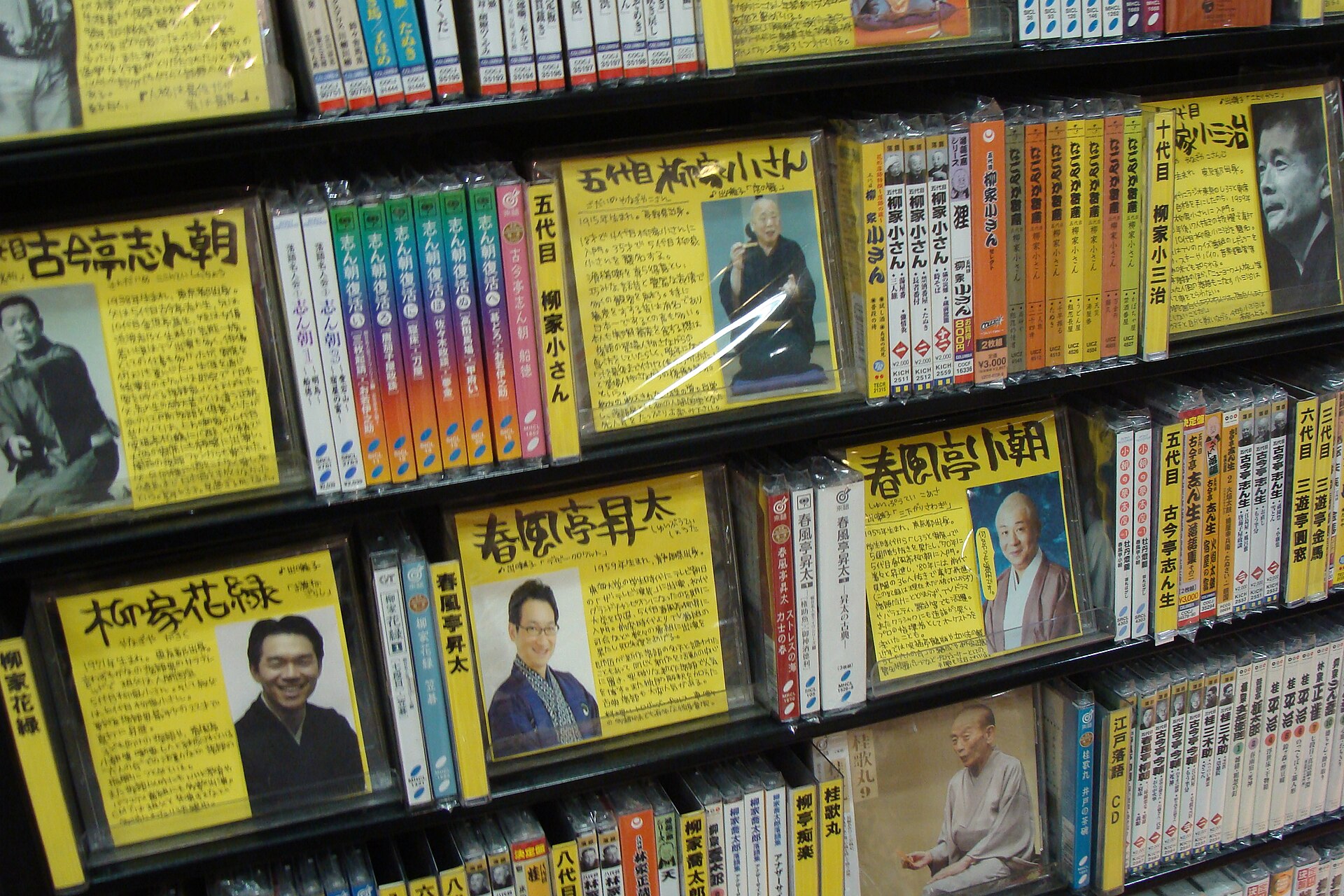
Photo: Graham Stanley / Wikimedia Commons, CC BY 2.0 — "At a CD store, Kyoto." Handwritten shelf cards like these help shoppers decide what to pick up.
5. Help the CDs sell
A box of discs sitting in a bin rarely sells itself. You can help:
- Ask whether you can add a short shelf card, such as "Local band, sounds like X and Y, playing [venue] on [date]." As the photo above shows, stores already use cards like this to get people to look twice.
- Ask about an in-store performance, signing, or release-day event. Shoppers are far more likely to buy a CD right after hearing the music in person.
- Send your fans to the shop. Post "Our CD is now at [shop name]," tag the shop, and say thank you. Stores remember the artists who bring customers through the door.
- Bring the same CDs to your shows. A merch table and a store shelf support each other. Our guide to planning a local tour covers how to set up shows and merch.
Where can you sell your music online?
Online, you can sell to fans worldwide without anyone holding inventory for you. Choose based on what you're selling and who you can already reach.
Bandcamp
Bandcamp is built for direct music sales: downloads, CDs, vinyl, tapes, and merch, with "name your price" options and a fan community that browses by genre and tag. Its listed fees are 15% on digital items (dropping to 10% after you reach $5,000 in sales and keep that pace over 12 months) and 10% on physical goods, plus payment processing. 3 (opens in a new tab) For most independent musicians, it's the easiest place to start.
Your own store
Platforms like Shopify, Big Cartel, and Gumroad let you run your own shop. You'll pay subscription and/or transaction fees instead of a music-store revenue share, and you control the page and the customer list. The tradeoff: almost no built-in discovery. This works best once you already have an email list or social following that will click "buy."
Beat stores
If you're a producer, beat marketplaces such as BeatStars and Airbit let you sell licenses to your instrumentals. Usually, that means lower-priced non-exclusive leases, which you can sell to many artists, and higher-priced exclusive rights, sold to one buyer. Write down exactly what each license allows—streams, music videos, live shows, and so on—and keep every sample cleared. An uncleared sample can turn a sale into a takedown. Our guide to how to clear a sample explains the process.
Fan memberships
Sites like Patreon let fans pay monthly for things they can't get anywhere else, such as demos, stems, livestreams, early tickets, or a behind-the-scenes look at your process. It only works if you can keep delivering, so start with one thing you can post every month.
Can you get paid to put your music in videos, games and ads?
Yes. This is called sync licensing: you're paid to "synchronize" your music with a picture. Big TV placements usually go through agents and publishers, but there's a large market of YouTubers, podcasters, indie game developers, and small businesses that need affordable music. Music libraries and licensing marketplaces sell to those buyers and pay you a share.
To give your music a better chance:
- Deliver several versions, including the full mix, an instrumental, and short 15-, 30-, and 60-second edits. Editors love music they can drop right in.
- Tag it the way buyers search: mood, tempo (BPM), genre, instruments, and how it's used (like "upbeat background for a vlog").
- Own 100% of the rights, or have written agreements with everyone who worked on the track, and use only cleared or royalty-free samples.
- Read every agreement for exclusivity. Some libraries require you not to license the same track elsewhere. Know which tracks are where.
Sync rarely pays off overnight. A catalog of dozens of well-tagged tracks has much better odds than one or two.
Can you make money selling sounds to other producers?
If you make beats or design sounds, other producers may pay for your drum hits, loops, MIDI chord progressions, and synth presets. Sound packs can be sold on Gumroad, your own site, or through sample-pack labels, and a small free pack is a good way to build an email list.
Keep your packs professional: label each file with its key and tempo, export high-quality WAVs, include a short license explaining what buyers can and can't do, and never include anything you didn't create or have the right to sell. Our step-by-step guide to making and selling sample packs goes deeper, and where to get free Vital presets shows how preset packs are presented.
Which way of making money from music should you try first?
| Option | What it costs to start | What you need | How fast money can come in |
|---|---|---|---|
| CDs at local shops | Cost of discs, printing, and barcodes | A finished release and a local audience | Weeks, once a store takes them |
| Bandcamp | Free to set up | Music and a link to share | As soon as you share it with fans |
| Your own store | Monthly or transaction fees | An existing audience | Depends on your following |
| Beat leases | Marketplace plan or fees | A catalog of cleared beats | Weeks to months |
| Sync libraries | Usually free to submit | Many well-tagged, fully owned tracks | Often months |
| Sound packs | Your time | Original sounds and a short license | Weeks, faster with an audience |
A good starting plan: put your music on Bandcamp, press a small run of CDs, and offer five or ten copies to one or two local shops. Promote both at your shows and on social media. Once those are working, add one more option, such as sync or sound packs, instead of doing everything at once. A social media posting calendar makes the promotion part much easier.
FAQ
Do record stores buy CDs from local artists?
Some do, but many independent shops take local CDs on consignment. That means they pay you after copies sell. Ask the shop how it handles local music.
What cut does a record store take on consignment?
It varies from store to store. Ask for the terms in writing before you leave your CDs, including the price, your share, and how and when you'll get paid.
Do I need a barcode to sell CDs in a store?
Not always, but many stores prefer one. Your distributor may provide a UPC, or you can license one through GS1. Ask the store what it requires.
What percentage does Bandcamp take?
Bandcamp lists 15% on digital sales (10% after $5,000 in sales) and 10% on physical goods, plus payment processing fees. 3 (opens in a new tab)
Can I sell my music on Bandcamp and still be on Spotify?
Usually yes. Selling directly to fans and distributing to streaming services can work together, as long as your distribution agreement allows it. Check your distributor's terms.