 SAMPLED
Production and recording · updated 2026-08-16
PHANTOM POWER (48V)
DC voltage sent down a mic cable to power condenser microphones. Dynamic mics do not need it.
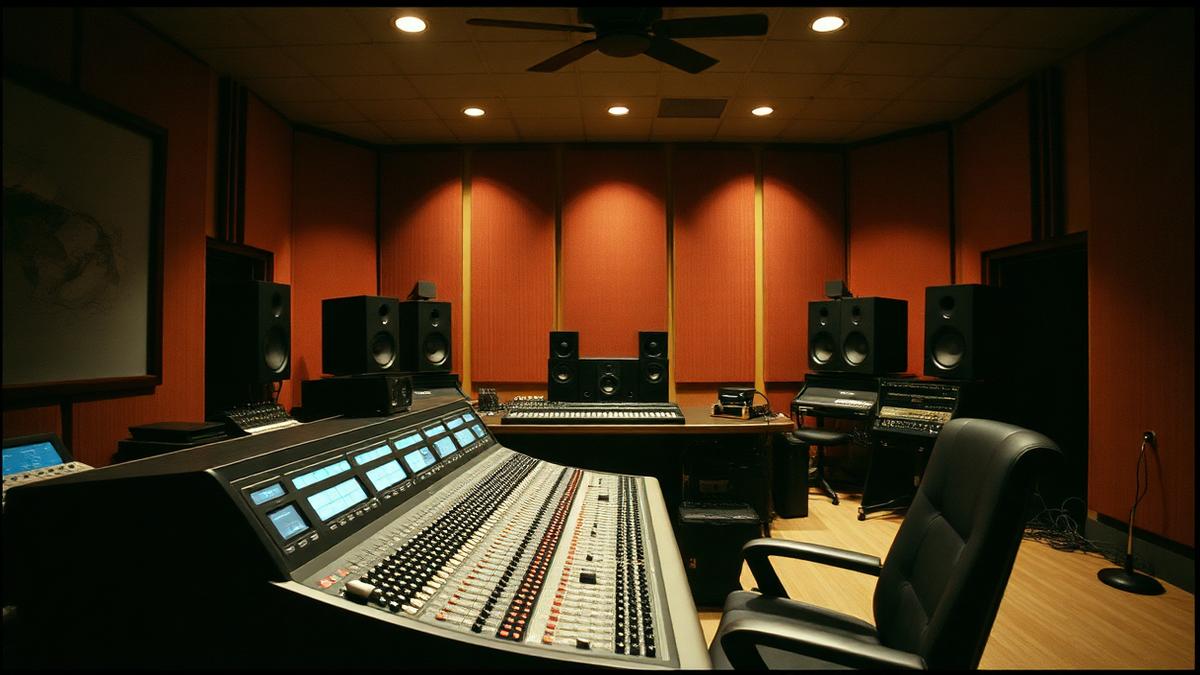
Photo: Gooi & Vecht Studio, Audio 1 control room with Nuendo 6.5 (opens in a new tab) by Marco Raaphorst (opens in a new tab), via Wikimedia Commons — CC BY 2.0 (opens in a new tab)
Key takeaways
- DC voltage sent down a mic cable to power condenser microphones.
- Dynamic mics do not need it.
- Dynamic and most ribbon mics do not need it; sending it to a vintage ribbon with a wiring fault can damage the element.
- Plug in the mic, then switch on 48V, and mute the channel before switching it off again to avoid a thump through the monitors.
- Watch out: hot-patching cables with phantom engaged.
Quick checklist
- Can you define phantom power (48v) in one sentence without looking?
- Can you point at phantom power (48v) in a real session, mix or contract?
- Have you tried the practical move above at least once?
- Would you catch the common mistake before it costs you a take?
- Have you opened one of the primary sources below rather than a forum thread?
PHANTOM POWER (48V) IN DEPTH
Phantom power sends 48 volts up the mic cable to run the electronics inside condenser microphones. Dynamic and most ribbon mics do not need it; sending it to a vintage ribbon with a wiring fault can damage the element.
How it works in practice
Plug in the mic, then switch on 48V, and mute the channel before switching it off again to avoid a thump through the monitors.
The mistake people make
Hot-patching cables with phantom engaged. It stresses the mic and can put a loud transient through speakers and ears.
WHERE PHANTOM POWER (48V) SITS
Phantom power (48V) belongs to production and recording in the Sampled music glossary. Studio words: what the gear does, what the engineer is asking for, what the session sheet means.
TERMS THAT DEPEND ON PHANTOM POWER (48V)
- Audio interface
The box that converts microphones and instruments into digital audio and sends playback back out. It supplies preamps, phantom power, monitoring and low-latency drivers.
- Condenser vs dynamic microphone
Condensers need phantom power, hear detail and hear your room. Dynamics need no power, take loud sources without complaint and reject more of the space around them.
- TS, TRS and XLR
TS is unbalanced instrument cable, TRS is balanced (or stereo), XLR is balanced with a locking connector and carries phantom power. Balanced runs reject hum over distance.
TEST YOURSELF
0/3 answered · 0 correct
3 quick questions on phantom power (48v). Answers are marked instantly — nothing is sent anywhere.
1. Which statement best describes phantom power (48v)?
2. What is the mistake people most often make with phantom power (48v)?
3. In practice, which of these applies to phantom power (48v)?
Ready for the full thing? Take the 25-question terminology test and get a certificate with your name and score.
SOURCES AND CITATIONS
Free, primary references for phantom power (48v) — standards bodies, manufacturers, government offices and university course material. Each one lists the line of this entry it backs up.
- Shure — what is phantom power (opens in a new tab)
Primary reference · service.shure.com
“DC voltage sent down a mic cable to power condenser microphones.”— the claim this source supports
Why it counts: Published by the organisation responsible for the thing being defined, so it is a first-hand source rather than a summary of one.
- Neumann knowledge hub (opens in a new tab)
Primary reference · neumann.com
“Dynamic mics do not need it.”— the claim this source supports
Why it counts: Published by the organisation responsible for the thing being defined, so it is a first-hand source rather than a summary of one.
RELATED TERMS IN PRODUCTION AND RECORDING
Back to the full music glossary or read our latest articles.