 SAMPLED
How Do You Sell Merch as an Independent Artist Without Upfront Inventory?
Print-on-demand setup, small-batch items, pricing and show-night selling, step by step.
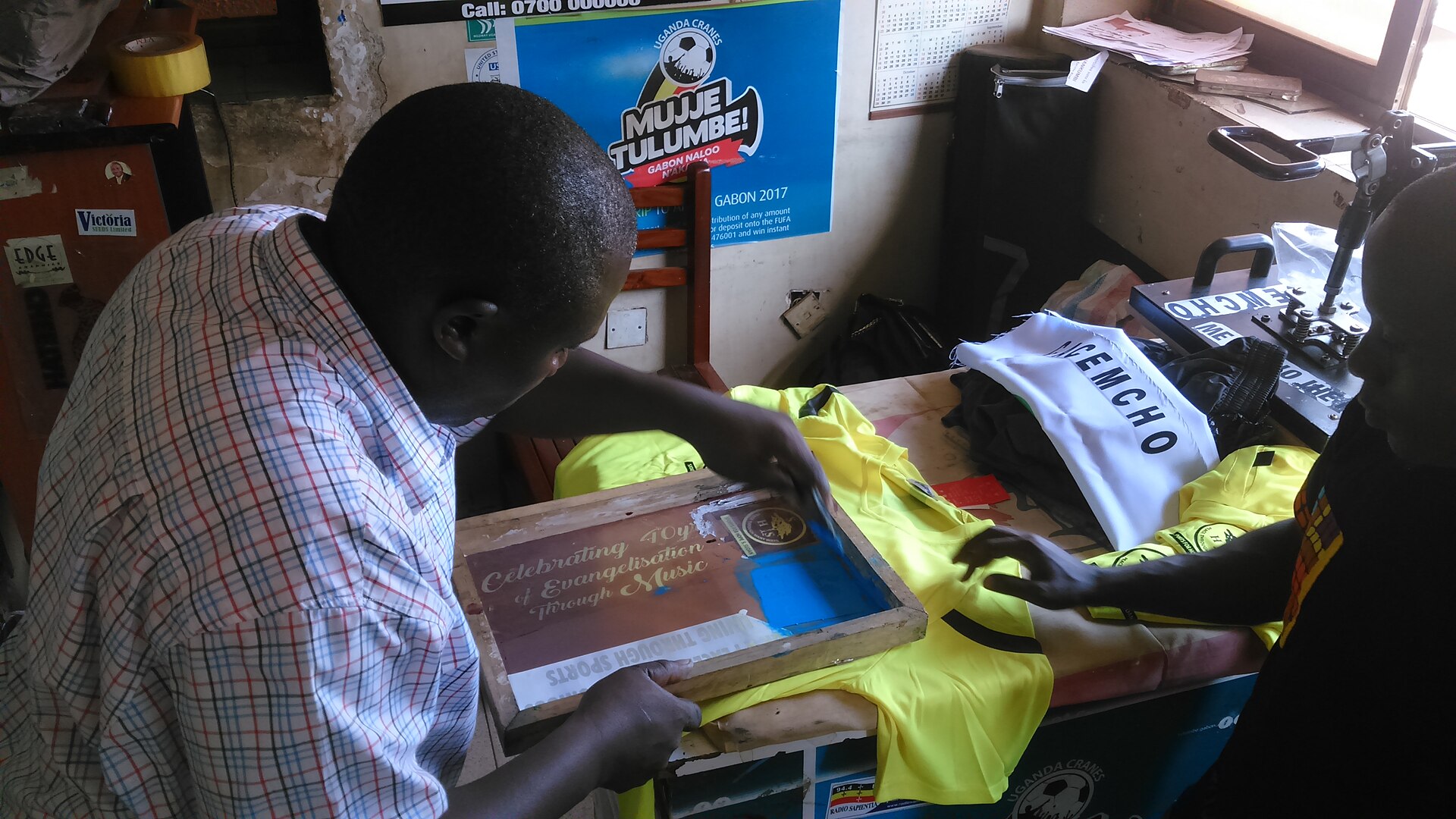
Walk past the merch table at almost any club show and you will see the same thing: fans who just spent their ticket money still lining up for a shirt. Merch is a souvenir, a badge and a way to support an artist, all at once. The best part is that you no longer need a garage full of boxes to sell it.
Think of print-on-demand like a bakery that bakes only when someone orders. No unsold loaves, no waste, but each loaf costs a little more. Small-batch merch is the opposite: you buy a tray of cookies upfront, pay less per cookie, and earn more if they sell.
Step 1: Decide what your brand looks like
Before you print anything, decide on:
- One logo or wordmark that reads clearly when small.
- Two or three colors you use everywhere.
- One design tied to a song lyric, inside joke or album artwork. Fans buy stories.
Our guide to graphic design for musicians covers files, fonts and print-ready artwork.
Step 2: Launch a print-on-demand store with zero inventory
- Create designs at the size your supplier asks for (often 300 DPI PNG with a transparent background).
- Connect a print-on-demand company such as Printful (opens in a new tab), Printify (opens in a new tab) or Gelato (opens in a new tab) to a store.
- Choose where to sell: Bandcamp (opens in a new tab) (which supports merch next to your music), Shopify (opens in a new tab), or Big Cartel (opens in a new tab).
- Order one sample of each item to check color and fit before you share the link.
When a fan orders, the supplier prints, packs and ships it. You keep the difference between your price and their cost.
Step 3: Connect merch to where fans already listen
- Spotify: artists with a Shopify store can connect it to Spotify for Artists (opens in a new tab) so merch appears on their artist profile.
- YouTube: eligible channels can display merch from supported retailers under videos.
- Bandcamp: sell a shirt and a download as a bundle.
Step 4: Add small-batch items with better margins
Once you know what sells, order small runs of low-cost items:
- Stickers: cheap to make, easy to mail, perfect as a free add-on. Services such as Sticker Mule (opens in a new tab) handle short runs.
- Enamel pins and patches: collectible and light to ship.
- Cassettes: limited runs from manufacturers such as National Audio Company (opens in a new tab) give fans a physical release on a small budget.
- Screen-printed shirts: a local print shop can often beat print-on-demand prices once you order a few dozen.
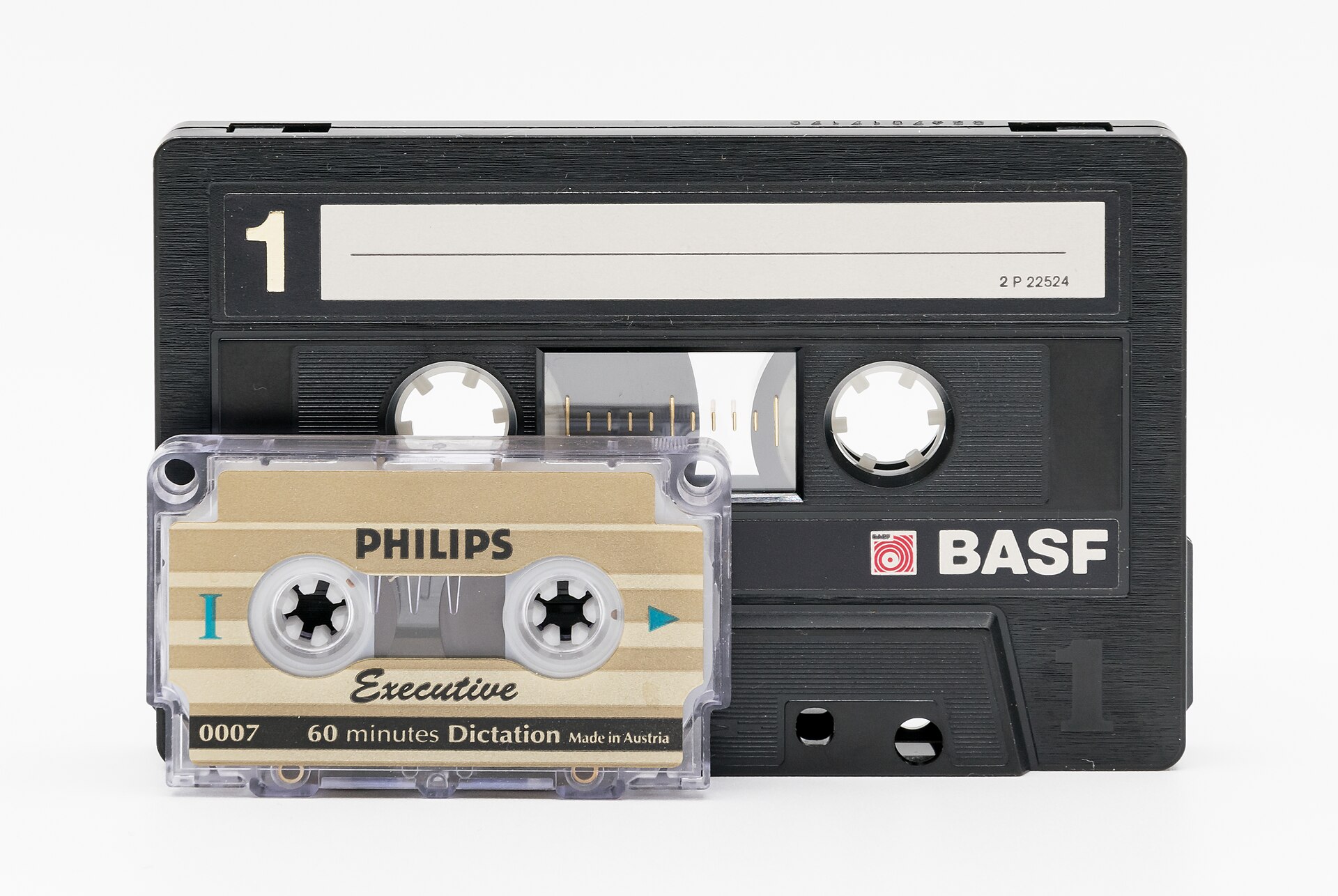
Photo: Jacek Halicki / Wikimedia Commons, CC BY-SA 4.0. Cassettes are a small, collectible format that many indie artists sell in limited runs.
Step 5: Price for profit, not just to break even
- Add up the total cost of each item, including printing, packaging, shipping and payment fees.
- Price at roughly two to three times that cost for small-batch goods, and check you still make money after fees on print-on-demand.
- Offer bundles (shirt + sticker + download) to raise the average order.
- Create limited drops with a clear end date. Scarcity is why a sneaker release sells out.
Step 6: Sell at shows with a simple setup
- A small table, a clear price board and a card reader such as Square or SumUp.
- One person in charge of the table so the band can talk to fans after the set.
- A QR code linking to your online store for sizes that sell out.
- An email signup sheet. Every buyer is a future buyer.
FAQ
Is print-on-demand worth it for small artists? Yes, to start. You risk almost nothing, and once a design proves popular you can order it in bulk for better margins.
What sells best? It depends on your fans, but shirts, hoodies, stickers and hats are common starting points. Track your sales and let the numbers guide reorders.
Do I need a business license to sell merch? Rules depend on where you live. Check your local sales tax and business registration requirements before selling in person.