 SAMPLED
How Do You Land Your First Sync Licensing Deal for TV, Film and Games?
What music supervisors need, how to prepare your tracks, where to pitch and which contract terms to avoid.
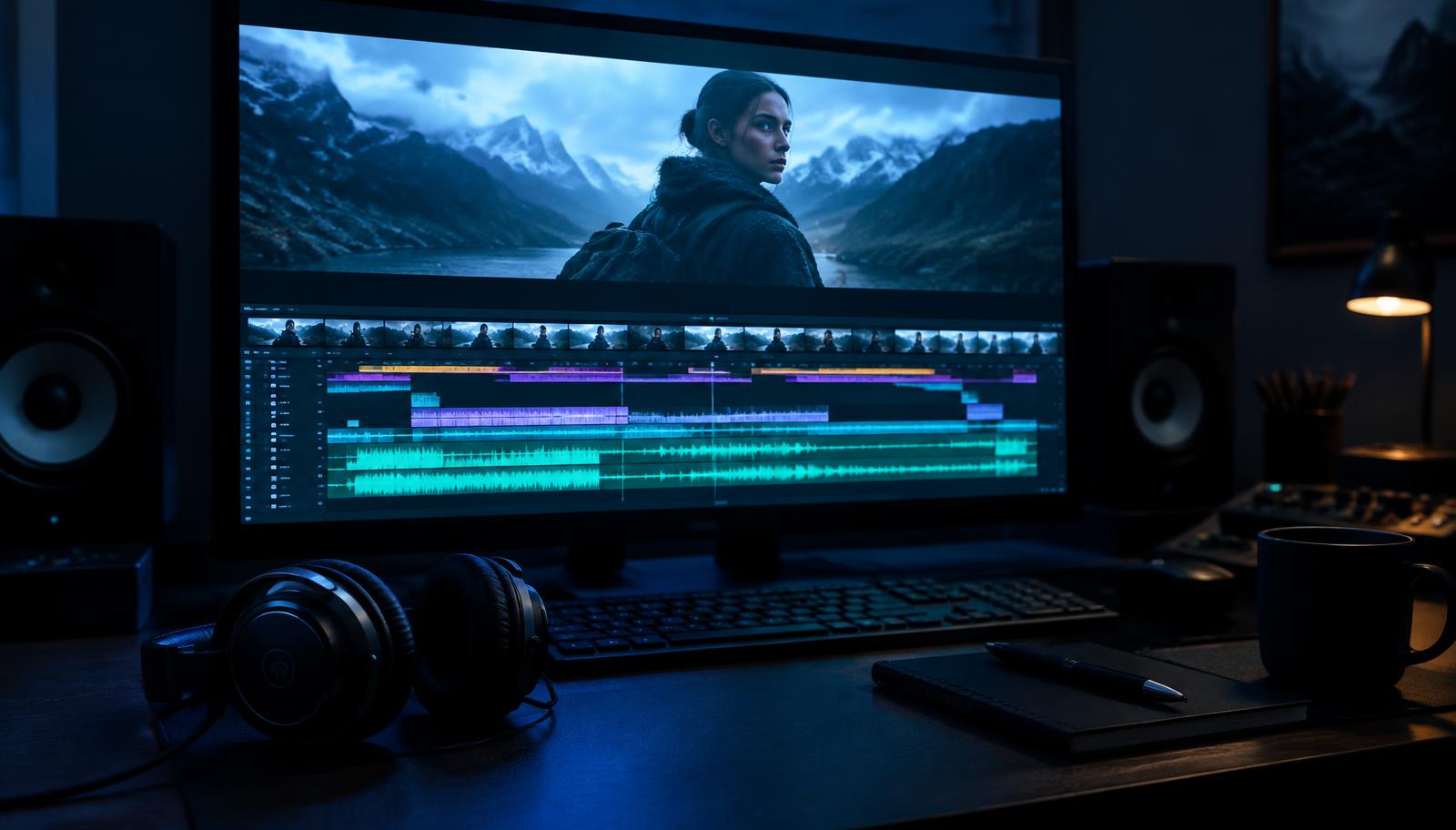
In 2022, a 37-year-old Kate Bush song went back up the charts because Stranger Things placed it at exactly the right moment. That is sync at its most dramatic: one scene, one song, and a catalog gets a second life. You do not need a Netflix-sized placement to earn money, though. Indie games, YouTube creators, podcasts and local ads need music every day. This guide shows you how to be the easiest artist for them to say yes to.
What a music supervisor needs from you
A music supervisor is like a caterer on a film set. They do not have time to test every ingredient. They want something that tastes right, arrives on time and comes with no surprises. In music terms, that means:
- One-stop rights: you control (or can sign for) both the recording and the song, so one email clears everything.
- Clean versions: an instrumental, a clean lyric edit and, ideally, short cutdowns (60, 30 and 15 seconds).
- Stems: separate drums, bass, music and vocal files so editors can drop the vocal under dialogue.
- Fast replies: deadlines are often days, not weeks.
Step 1: Clear every sample and co-writer
Sync deals die over one uncleared sample. Before you pitch any track:
- Remove uncleared samples, or replace them with royalty-free sounds you have a license for. Our guide to royalty-free sample websites lists places to start.
- Get a signed split sheet from every co-writer and producer, with permission for you to license the track for sync.
- Register the song with your PRO so you can collect backend performance royalties when it airs.
Step 2: Build a sync-ready folder for each track
Create one folder per song with a consistent name, for example ArtistName_SongTitle_120bpm_Amin. Inside:
- Full mix WAV (24-bit) and a high-quality MP3.
- Instrumental and clean versions.
- Stems.
- 60, 30 and 15-second cutdowns that end on a clean button rather than a fade.
- A one-page text file with title, writers, splits, PRO, ISRC, BPM, key, mood words and your contact email.
Embed the same details in the MP3's metadata tags. A supervisor who downloads your file two months from now should still be able to find your email in it.
Step 3: Choose a route in, from easiest to hardest
Non-exclusive libraries and marketplaces. Platforms such as Songtradr (opens in a new tab), Pond5 (opens in a new tab) and Music Gateway (opens in a new tab) let you upload and keep the right to license your music elsewhere. Lower fees, but more chances.
Curated catalogs. Companies such as Musicbed (opens in a new tab) and Artlist (opens in a new tab) are selective and often pay more. Some ask for exclusivity, so read the agreement closely.
Direct pitching. The best fees often come from building relationships with indie supervisors, game studios and video editors. Start small: local agencies, YouTube creators you watch, indie game developers on itch.io.
Our roundups of sync submission websites and stock and micro-sync sites compare options in more detail.

Photo: kitmasterbloke / Wikimedia Commons, CC BY 2.0. Film composer Hans Zimmer (right) performing live with Johnny Marr. Picture music is one of the biggest buyers of recorded and composed music.
Step 4: Pitch like a professional
- Research what the person actually works on. Watch the show, play the game, scroll their channel.
- Send two or three tracks, not twenty, using streaming links (a private SoundCloud, Disco or Dropbox link) instead of attachments.
- Write three sentences: who you are, why these tracks fit their project, and that everything is one-stop and pre-cleared.
- Follow up once after two weeks, then move on.
Step 5: Read the contract for these red flags
- Exclusive rights forever for a small or no upfront fee.
- Re-titling that changes your track's name so a library can register it separately. Know what you are agreeing to.
- Taking your writer's share of performance royalties. Publishing splits are negotiable; the writer's share should stay yours.
- Vague territory or term. "Worldwide, in perpetuity, all media" is common for some uses, but it should match the fee.
When in doubt, a one-hour review with a music lawyer costs less than a bad deal.
Step 6: Get paid twice
Most placements pay an upfront sync fee, and when the production airs on TV, radio or some online platforms, a cue sheet reports the music to PROs so you earn performance royalties too. Ask the production to send you the cue sheet, and check your PRO statements for the placement.
FAQ
How much does a sync placement pay? It ranges widely, from free promotional uses to large fees for major ads and trailers. Library placements are usually smaller; direct deals usually larger.
Do I need a manager or agent? No. Many indie artists start with libraries and direct pitching.
Can I sync a song that is already on Spotify? Yes, as long as you control the rights and no distribution or label deal restricts it.