 SAMPLED
The best synths of 2026: Korg phase8 leads a strange, strong year
Our picks for the best synthesizers of 2026 so far — Korg's acoustic phase8, Modal's ELEMENT One, Behringer's JT-2 and Arturia's Memory V — with specs and prices taken straight from the manufacturers.
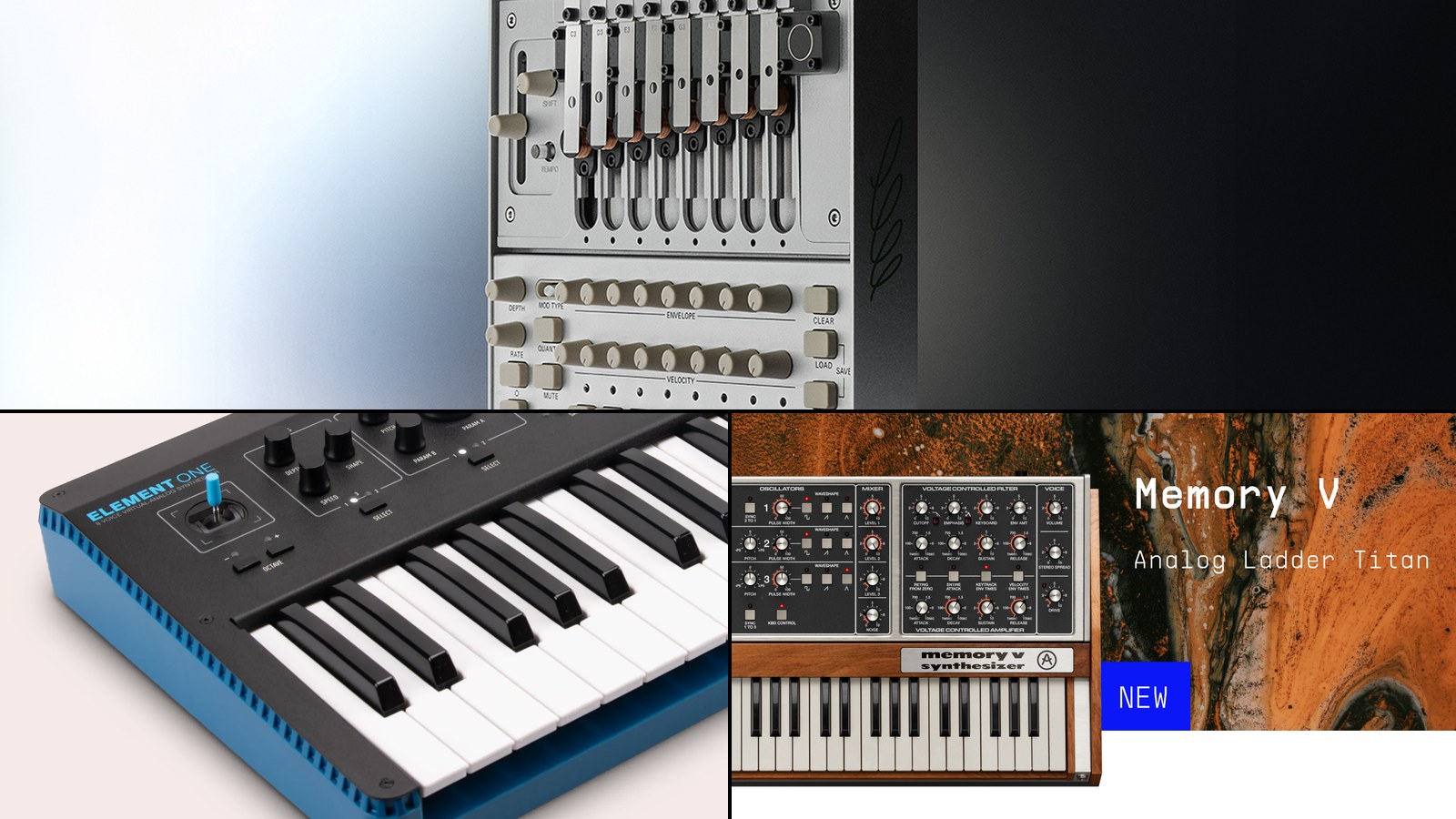
2026 has been a strange, good year for synthesizers. The headline instruments are not another wave of subtractive polys — they are an eight-voice machine that makes sound with vibrating steel, a performance synth built around a joystick, and a Eurorack module chasing a Jupiter. Below are the releases that mattered most so far this year, judged on what the manufacturers actually shipped and documented, with prices and specs taken from their own product pages and press rooms.
The best synth of 2026 so far: Korg phase8
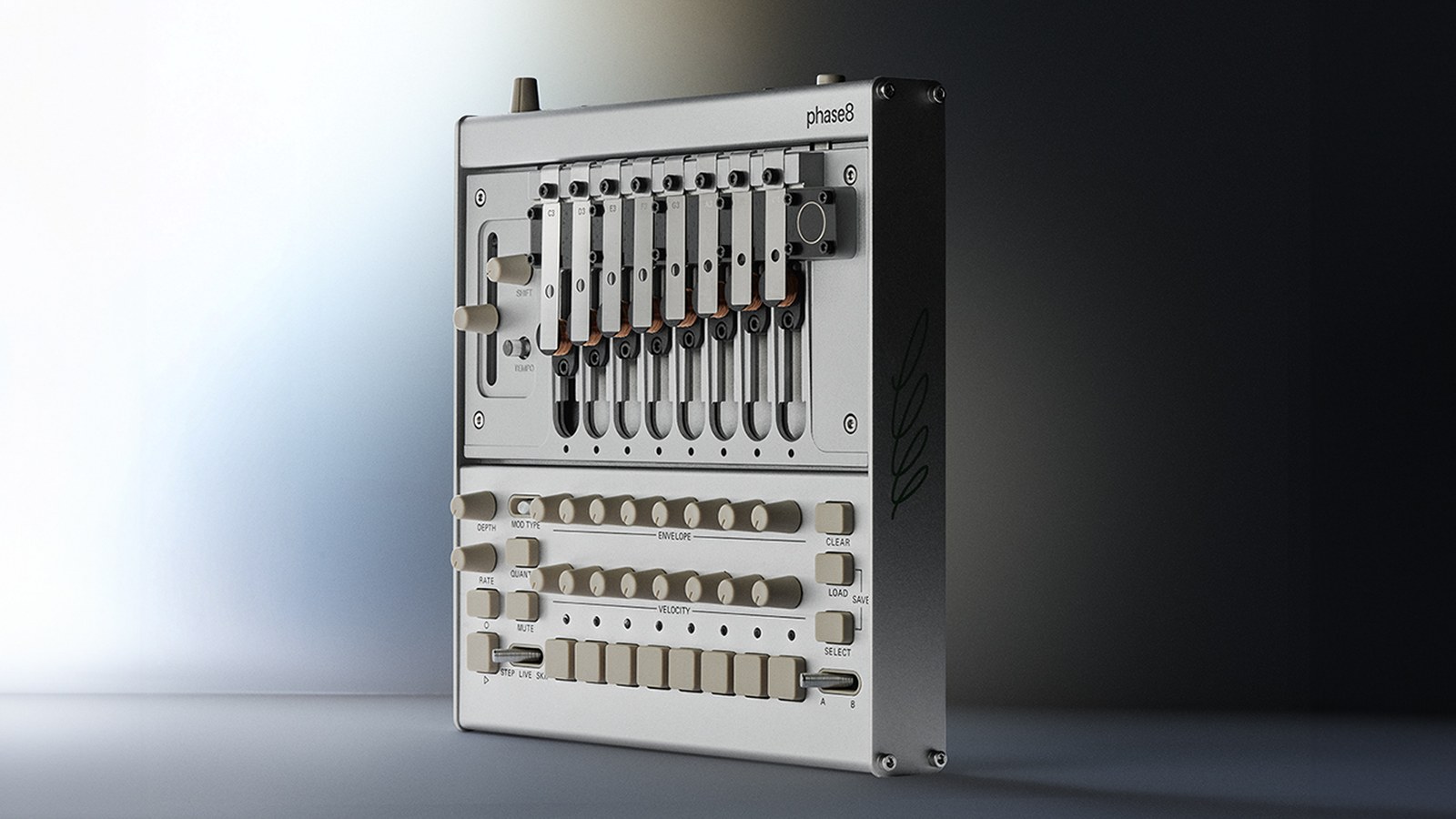
Korg's phase8 (opens in a new tab) is the most genuinely new instrument released this year. It is an eight-voice acoustic synthesizer: instead of oscillators, each voice drives a physically vibrating steel resonator under electronic control. Korg's own description is blunt about the ambition — "it is beyond analogue vs digital. It's even beyond electronics."
What you get, per Korg's spec page:
- Eight independent electromechanical voices with steel resonators
- Thirteen chromatically tuned resonators in the box, eight installed at a time, swappable and tunable so you can build your own scale
- Envelope shaping, analogue wavefolding and pitch-dependent modulation
- A polymetric step sequencer with per-voice step skip, unquantized live recording and eight save slots
- Trigger delay synced to tempo, plus full panel-parameter automation over a sequence
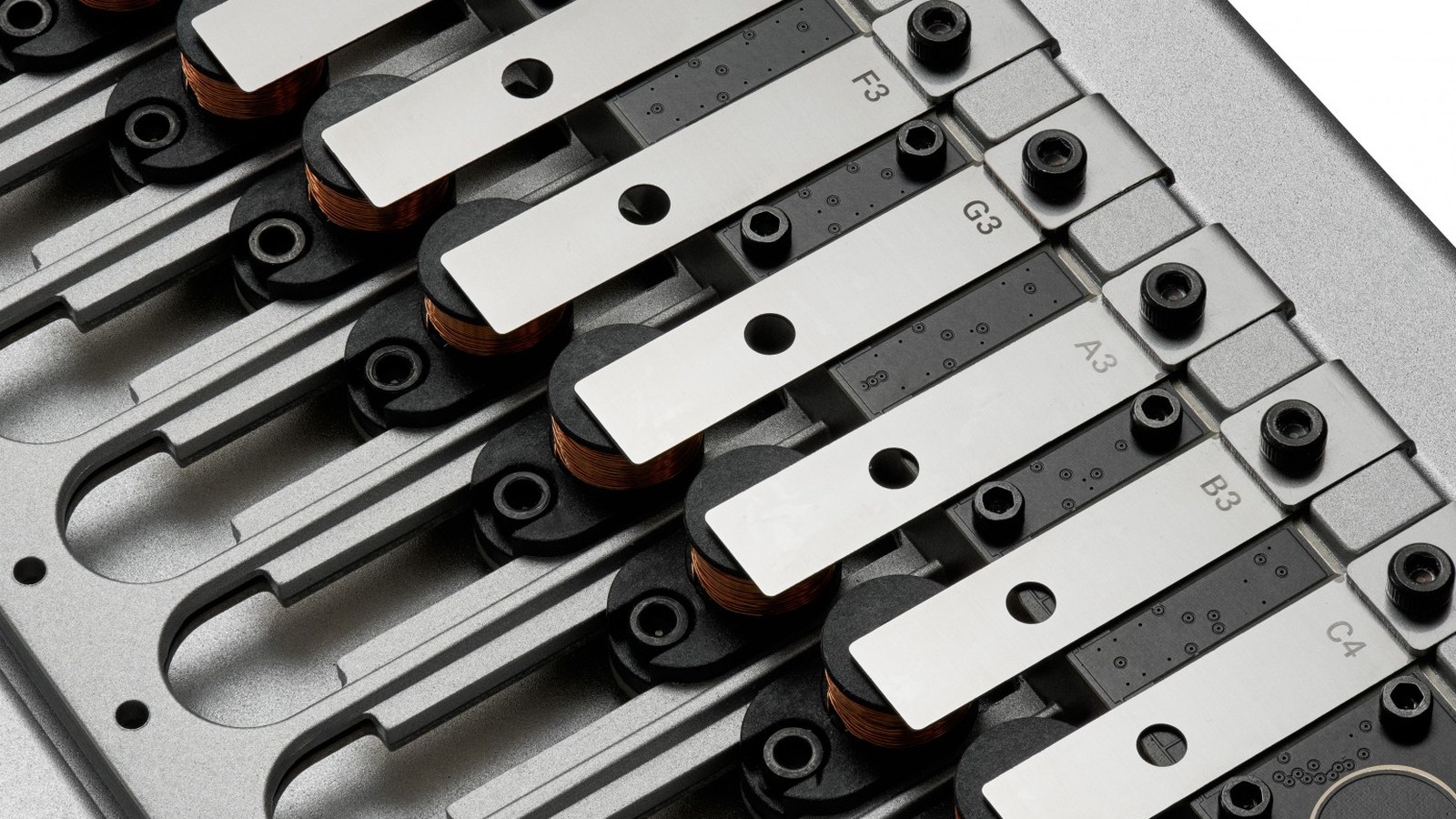
Why it wins: every other instrument on this list is a refinement of something that already existed. The phase8 is a new sound source. It behaves like an acoustic object — it responds to touch, to being struck, to acoustic feedback in the room — while still sequencing and automating like a synth. It launched at $1,149.99 for the Launch Edition with three exclusive resonators, and Korg has already shipped a v1.2 system update, which matters for an instrument this unusual.
Who it is not for: anyone who needs a workhorse polysynth for chords and pads. This is a percussion-leaning, texture-first instrument.
Best performance synth: Modal Electronics ELEMENT One
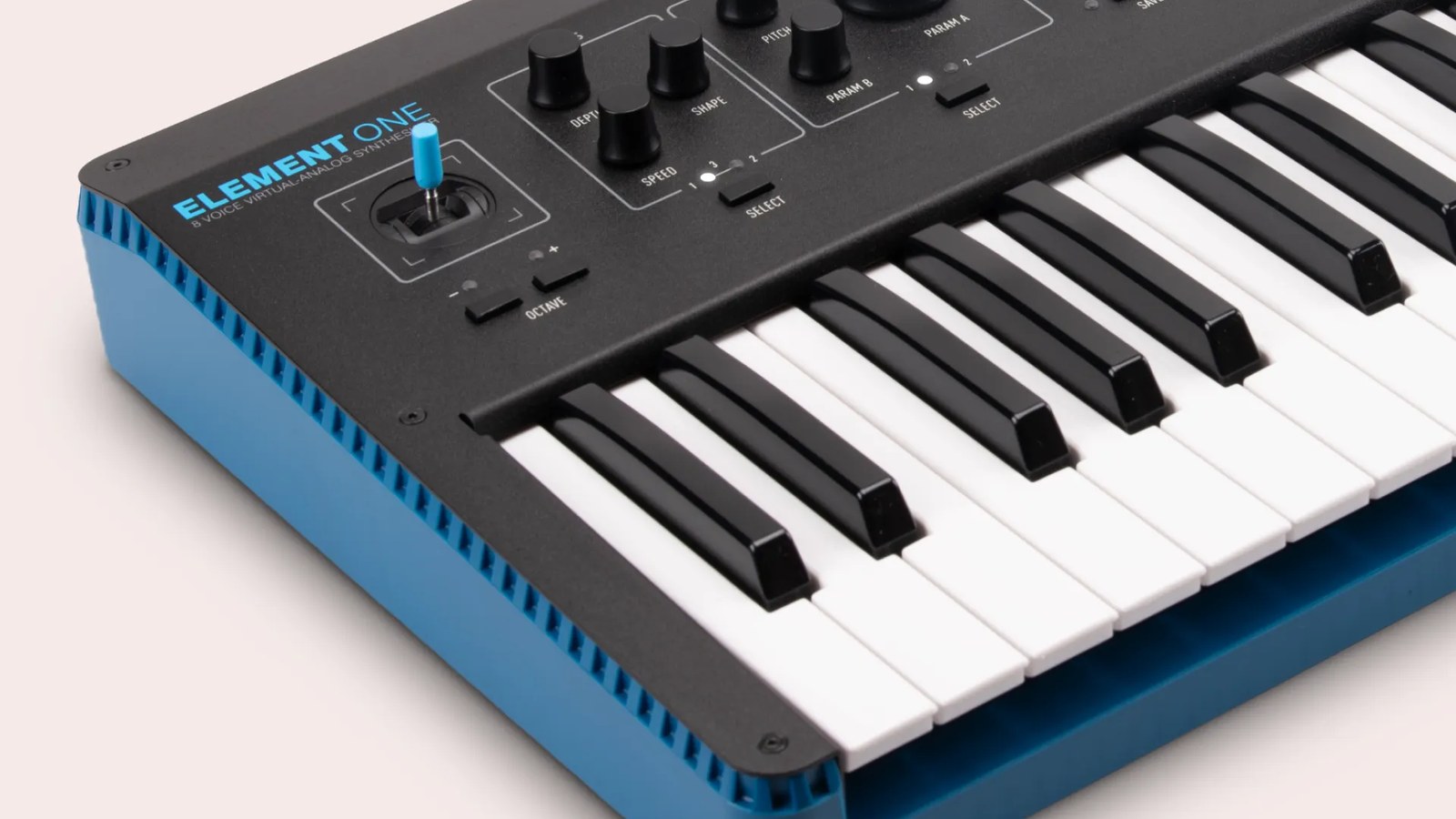
ELEMENT One (opens in a new tab), announced by Modal in May and developed with the Hartmann Design team, is the anti-menu-diving synth of 2026. Modal's framing: "for musicians and producers who want more sound and more expression without turning into full-time programmers."
From the announcement:
- 8-voice virtual analog with up to 64 high-resolution oscillators (8 per voice)
- 37 full-size velocity keys with aftertouch, a 4-axis joystick and 17 direct-access knobs
- Over 30 resonant filter types, including morphable options
- Three independent stereo FX engines (reverb, delay, chorus and more) that can be reordered freely
- 300 factory presets, plus compatibility with thousands of COBALT8 patches
- USB-C MIDI, MIDI In/Out, sync I/O and a stereo audio input so external sources run through the FX
The stereo input and pedalboard-friendly size are the tell: Modal designed this to sit in a guitar rig or a DJ setup as much as a studio. If your problem is that your polysynth sounds great and plays boring, this is the 2026 answer.
Best value: Behringer JT-2
Behringer's JT-2 opened pre-orders in April and shipped to the EU in May — a Jupiter-8-flavoured paraphonic analog voice in Eurorack format. It is the clearest example of 2026's clone economics: the sound of a five-figure vintage poly, in a module, at a price where buying two is a reasonable idea. Treat it as a character voice rather than a Jupiter replacement — paraphonic is not polyphonic, and the envelope behaviour is the giveaway.
Best software instrument: Arturia Memory V
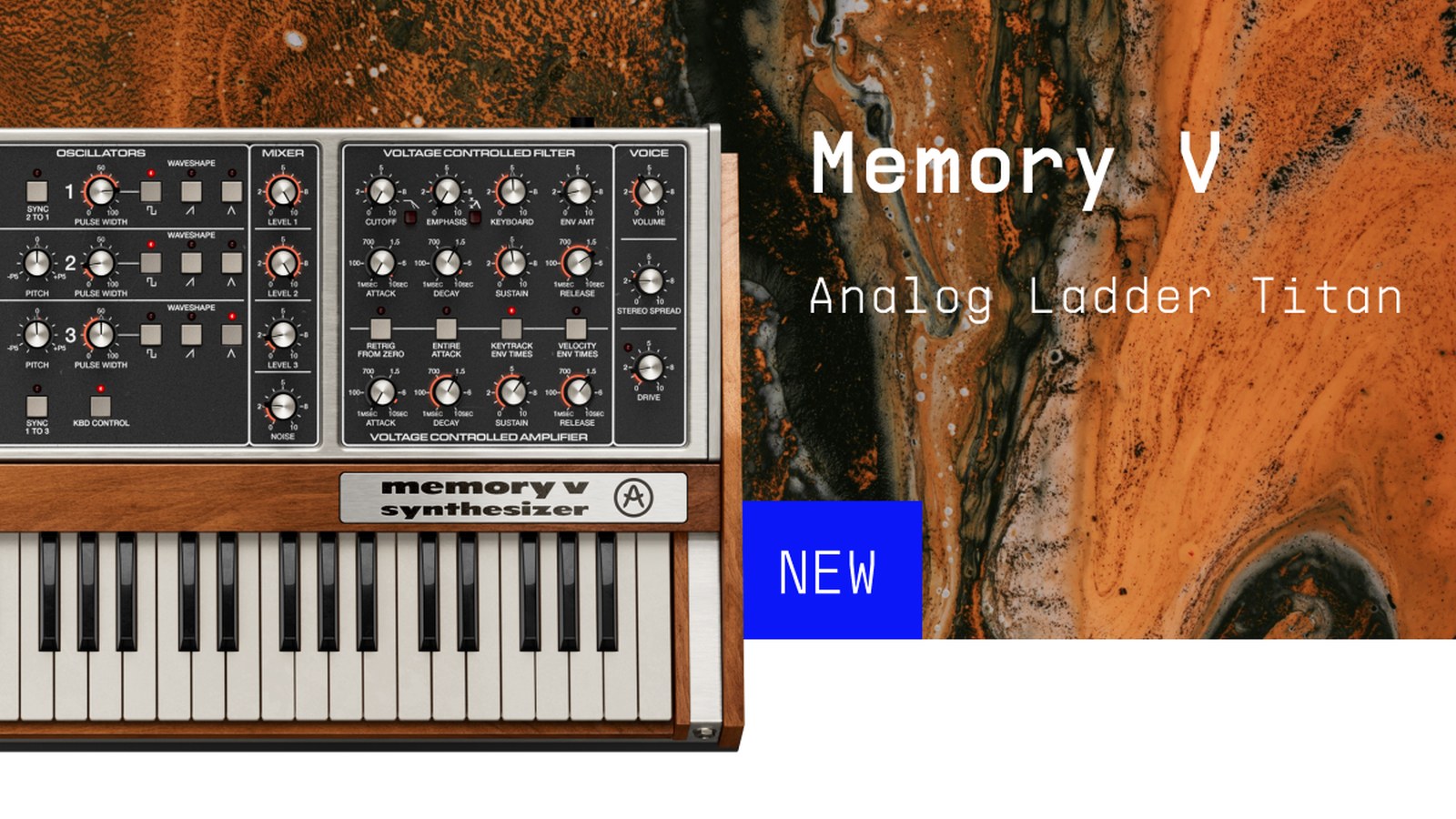
Arturia shipped Memory V (opens in a new tab) in May, its take on the ladder-filtered American poly Arturia bills as the "Analog Ladder Titan." For anyone chasing the wide, slightly unruly late-70s poly sound without a service tech on retainer, this is the cheapest honest route in 2026 — and it sits in a project alongside your hardware instead of competing for desk space.
Most consequential release nobody calls a synth: Roland's software moves
Two Roland press releases this year say more about where the category is going than most hardware did:
- ZENOLOGY GX for iPad (opens in a new tab) puts the ZEN-Core engine — the same synthesis system inside Roland's flagship hardware — into a standalone tablet instrument.
- Project Lydia Phase 2 (opens in a new tab), from Roland Future Design Lab and Neutone, pushes AI-powered neural sampling toward a performance-ready hardware concept.
The direction is the same in both: the engine is no longer tied to the box. If you buy hardware in 2026 expecting the sound to be exclusive to that panel, check the manufacturer's software roadmap first.
How to choose in 2026
| If you want | Buy | Why |
|---|---|---|
| A sound nobody else has | Korg phase8 | Physical resonators, not oscillators |
| Expression under your hands | Modal ELEMENT One | Aftertouch, joystick, 17 knobs, no menus |
| Vintage poly character, cheap | Behringer JT-2 | Jupiter-style analog in Eurorack |
| Studio flexibility | Arturia Memory V | Ladder-filter poly in software |
| A portable engine | Roland ZENOLOGY GX | ZEN-Core on iPad |
One practical rule that held all year: buy the instrument whose interface you want to touch every day. Engines converge across hardware and software faster than ever — the panel, the keybed and the sequencer are what you actually keep.