 SAMPLED
Why Are Producers Leaving VST2 for CLAP in 2026?
VST2 is officially retired, VST3 is still the default, and the open-source CLAP format is quietly winning over plugin makers. Here's what that means for your studio.
If you've opened a plugin installer lately, you may have noticed a new checkbox next to VST3 and AU: CLAP. At the same time, the old VST2 option is disappearing. Here's why that's happening, and whether you need to do anything about it.
What is VST2, and why is it going away?
VST2 was the plugin format that powered home studios for nearly two decades. But Steinberg, the company that owns VST, stopped developing it more than a decade ago. Since October 2018, no new company has been legally allowed to start building VST2 plugins or hosts. Cubase 15 now ships with VST2 turned off by default on Intel Macs, and it's been missing entirely on Apple Silicon Macs since 2024, according to developer Bom Shanka Machines (opens in a new tab).
That developer dropped VST2 from every one of its plugins in late 2025. Its reasoning is common among small companies: keeping an old format alive means extra code, extra testing and extra support for a shrinking group of users.
What is CLAP?
CLAP stands for CLever Audio Plug-in. Bitwig and u-he released it in 2022 as a free, open-source alternative to formats controlled by single companies, like Steinberg's VST3, Apple's AU and Avid's AAX. It uses the MIT license, so anyone can build CLAP plugins or hosts without fees, sign-ups or permission.
Per Wikipedia (opens in a new tab), CLAP is now supported by 15 DAWs and 93 plugin makers who've released 394 CLAP plugins.
Why are plugin makers choosing CLAP?
- No gatekeeper. Selling VST3 plugins means registering with Steinberg. CLAP has no registration at all, as plugin tool maker Sonorie (opens in a new tab) points out.
- It's easy to add. CLAP is one header file plus optional extensions. CLAP co-creator Alexandre Bique told Sonicstate (opens in a new tab) that porting a JUCE plugin can often be done in a day.
- Better per-note control. CLAP supports per-voice modulation and note expressions, which helps expressive synths and MPE controllers.
- Better multicore performance. It was designed so hosts can spread work across CPU cores more efficiently.
Big names are on board too. FabFilter added CLAP, and in June 2026 Expressive DSP (opens in a new tab) added it to every plugin it sells at no extra cost.
Which DAWs support CLAP?
As of 2026, CLAP works in Bitwig Studio, REAPER, FL Studio and Studio One/Studio Pro, plus a growing list of smaller hosts. Ableton Live, Logic Pro and Pro Tools don't support it. Logic only loads AU, and Pro Tools only loads AAX.
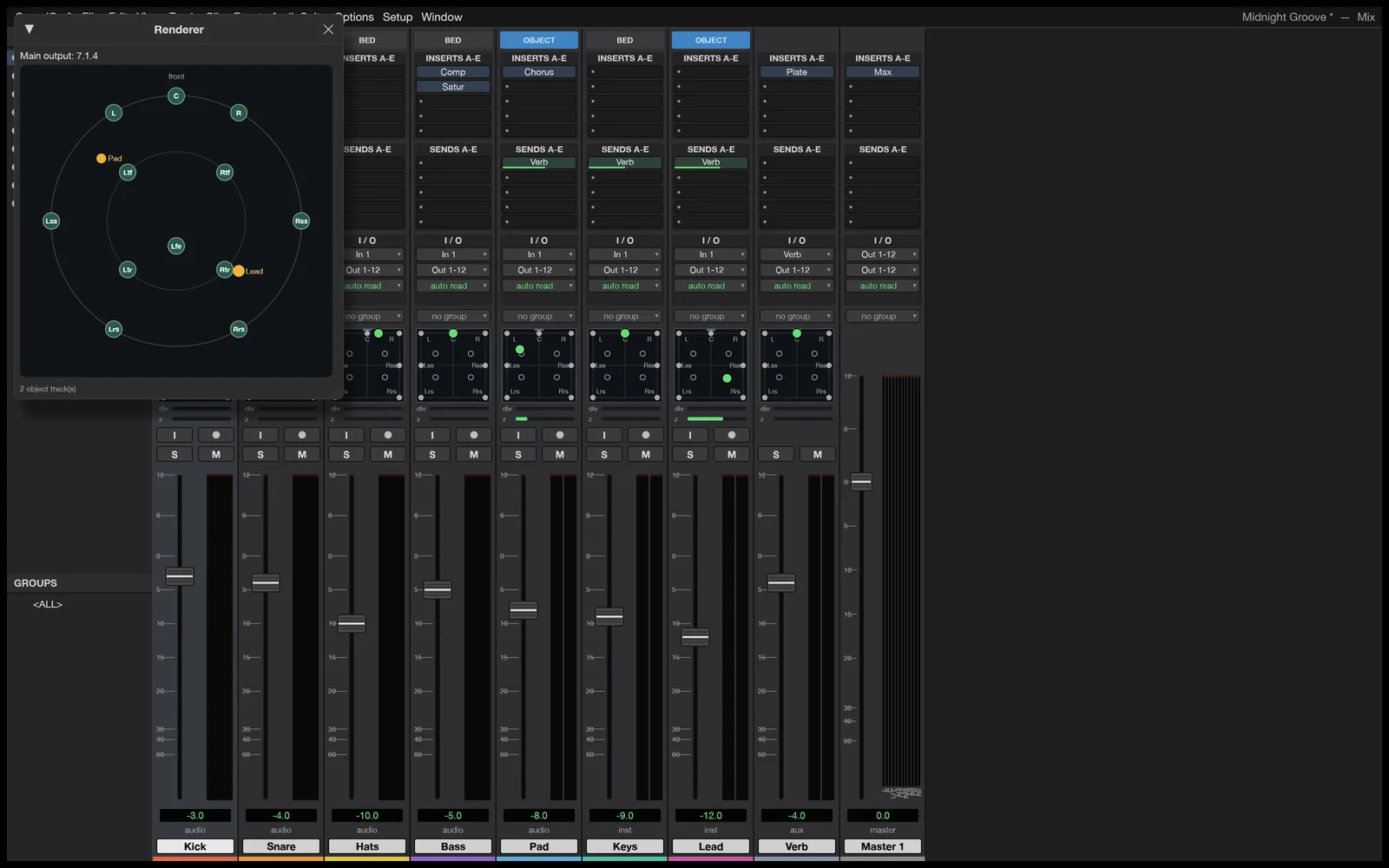 Screenshot: SoundCraft. The new open-source DAW SoundCraft only loads outside plugins in CLAP format.
New open-source DAWs are also going CLAP-first. SoundCraft, the free Pro Tools-style DAW we covered recently, only loads outside plugins in CLAP.
Is CLAP replacing VST3?
Not yet. VST3 is still the format almost every DAW loads, and it's the safe default. The real story of 2026 isn't "CLAP beats VST3." It's that VST2 is done, and CLAP has become the go-to second format that plugin makers add next to VST3 and AU.
What should producers do?
- Check old projects. If a project uses VST2 plugins, open it now and swap them for VST3 versions, or bounce those tracks to audio.
- Install CLAP if your DAW supports it. Users of Bitwig, REAPER and FL Studio can try CLAP versions, especially for synths with lots of modulation.
- Keep VST3 installed. It's your safety net for sharing sessions and moving between DAWs.
- Don't buy anything twice. Most developers include CLAP with your existing license.
The bottom line
Producers aren't leaving VST2 because CLAP is trendy. They're leaving because VST2 is no longer supported. CLAP is gaining ground because it's free, open and easy for small developers to add. If you're in Bitwig, REAPER or FL Studio, it's worth a try. If you're in Logic, Ableton or Pro Tools, nothing changes for you yet.
Related reading: What Is a Plugin in Music? · Best Free Plugins of 2026 · How Is AI Changing the Way Audio Plugins Are Made?