 SAMPLED
What Is EQ in Music, and How Do You Use It?
EQ explained in plain English: what the frequency ranges sound like, the cuts that fix muddy mixes, and how to make every part fit.
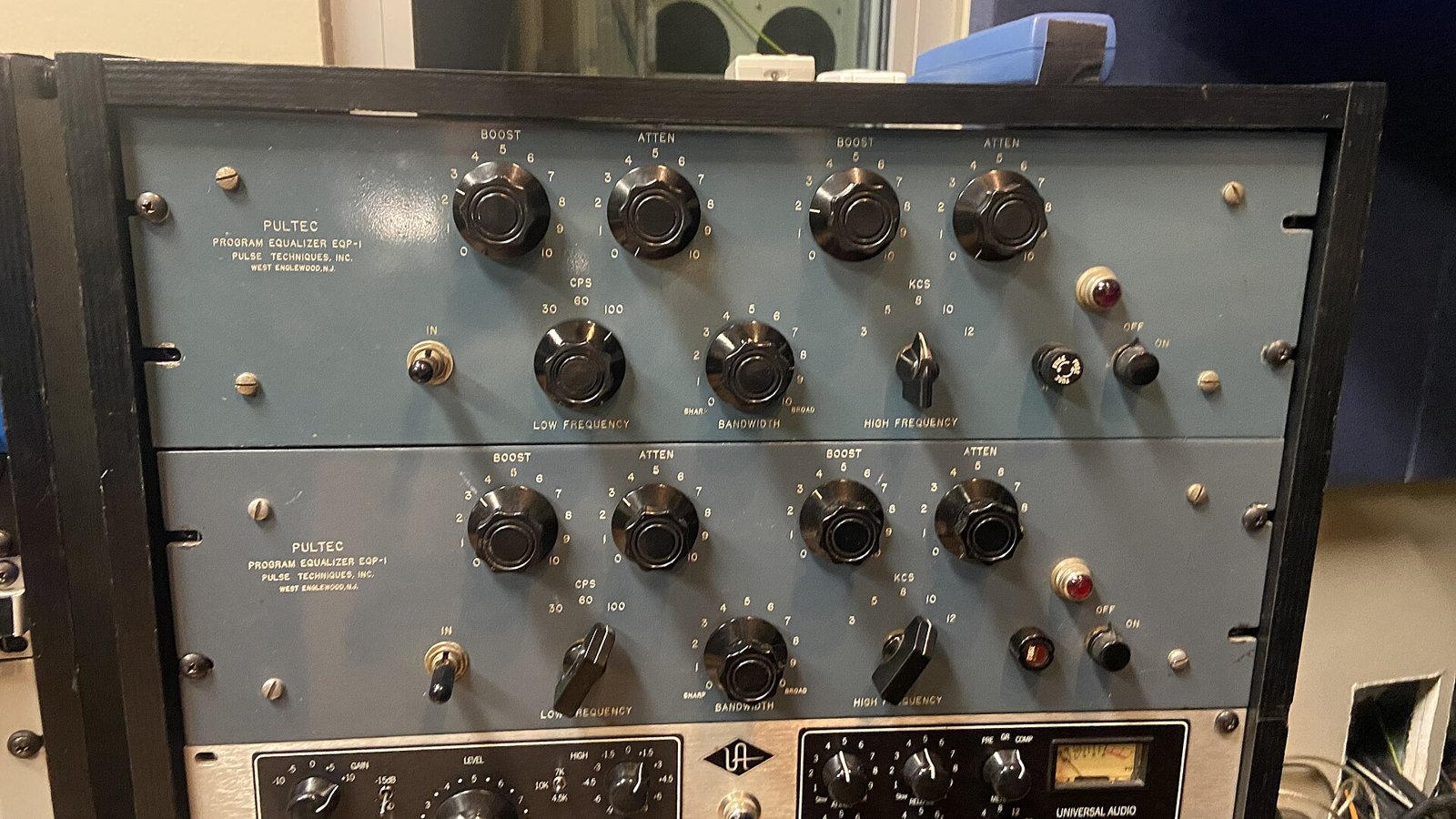
EQ (short for equalization) adjusts the volume of specific frequencies in a sound. It's the tool that makes a vocal sound clear instead of muffled, a kick sound punchy instead of boomy, and a mix sound balanced instead of crowded.
What does an EQ actually do?
Every sound is made of many frequencies, from low bass rumble to high sizzle. An EQ lets you turn individual ranges up (boost) or down (cut). It doesn't add new sounds; it reshapes the ones already there.
What are the frequency ranges in music?
Human hearing runs from about 20 Hz to 20,000 Hz (20 kHz). Here's what each range sounds like:
| Range | Frequencies | What it sounds like |
|---|---|---|
| Sub bass | 20–60 Hz | Felt more than heard; 808s, kick drum weight |
| Bass | 60–250 Hz | Warmth and body; too much sounds boomy |
| Low mids | 250–500 Hz | The "mud" zone; too much sounds cloudy |
| Mids | 500 Hz–2 kHz | Body of vocals and instruments; too much sounds honky |
| Upper mids | 2–5 kHz | Presence and clarity; too much sounds harsh |
| Highs | 5–20 kHz | Air, sparkle and hiss; too much sounds brittle |
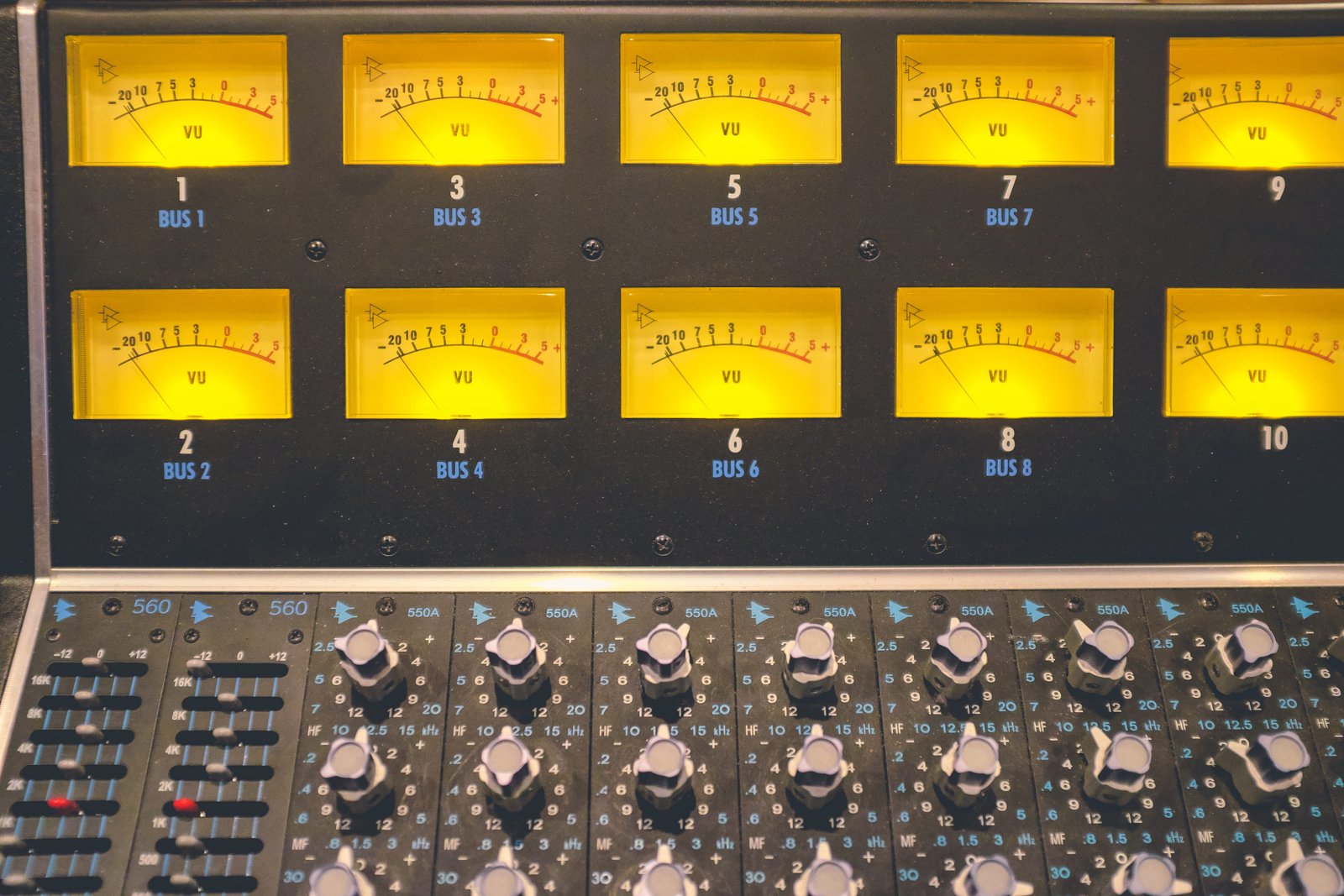 Photo: piqsels via Wikimedia Commons (opens in a new tab) (CC0)
What are the types of EQ?
- High-pass filter: removes everything below a set frequency. Useful on almost everything that isn't bass or kick.
- Low-pass filter: removes everything above a set frequency. Great for making sounds feel distant or lo-fi.
- Bell (peak): boosts or cuts a band around one frequency.
- Shelf: boosts or cuts everything above or below a point. Good for adding gentle air or warmth.
How do you use EQ to fix a muddy mix?
- High-pass the parts that don't need low end — vocals, guitars, hi-hats, pads. Start around 80–150 Hz and listen.
- Cut 250–500 Hz on parts that sound cloudy. A small 2–3 dB cut often does the job.
- Give the kick and bass separate homes. If the 808 owns 50 Hz, let the kick's punch live around 80–100 Hz, or the other way around.
- Cut before you boost. Removing a problem usually sounds more natural than boosting everything else.
Should you EQ with your eyes or your ears?
Your ears. Spectrum displays help you find problems, but a cut that looks right can sound wrong. Sweep a narrow boost slowly across the range to find an ugly frequency, then cut it.
What's the difference between EQ and compression?
EQ controls which frequencies you hear. Compression controls how much the volume changes over time. Most mixes use both. Next, see how to mix vocals, where EQ does a lot of the work, and how to make beats if you're just starting out.