 SAMPLED
The Prophet-5 sound: five underground tracks that built the legend (and where it lives now)
From boogie B-sides to ambient dubplates, the Sequential Prophet-5 quietly shaped half a century of underground music. Here are five records that prove it — and the GForce plugin trying to keep the sound alive in 2026.
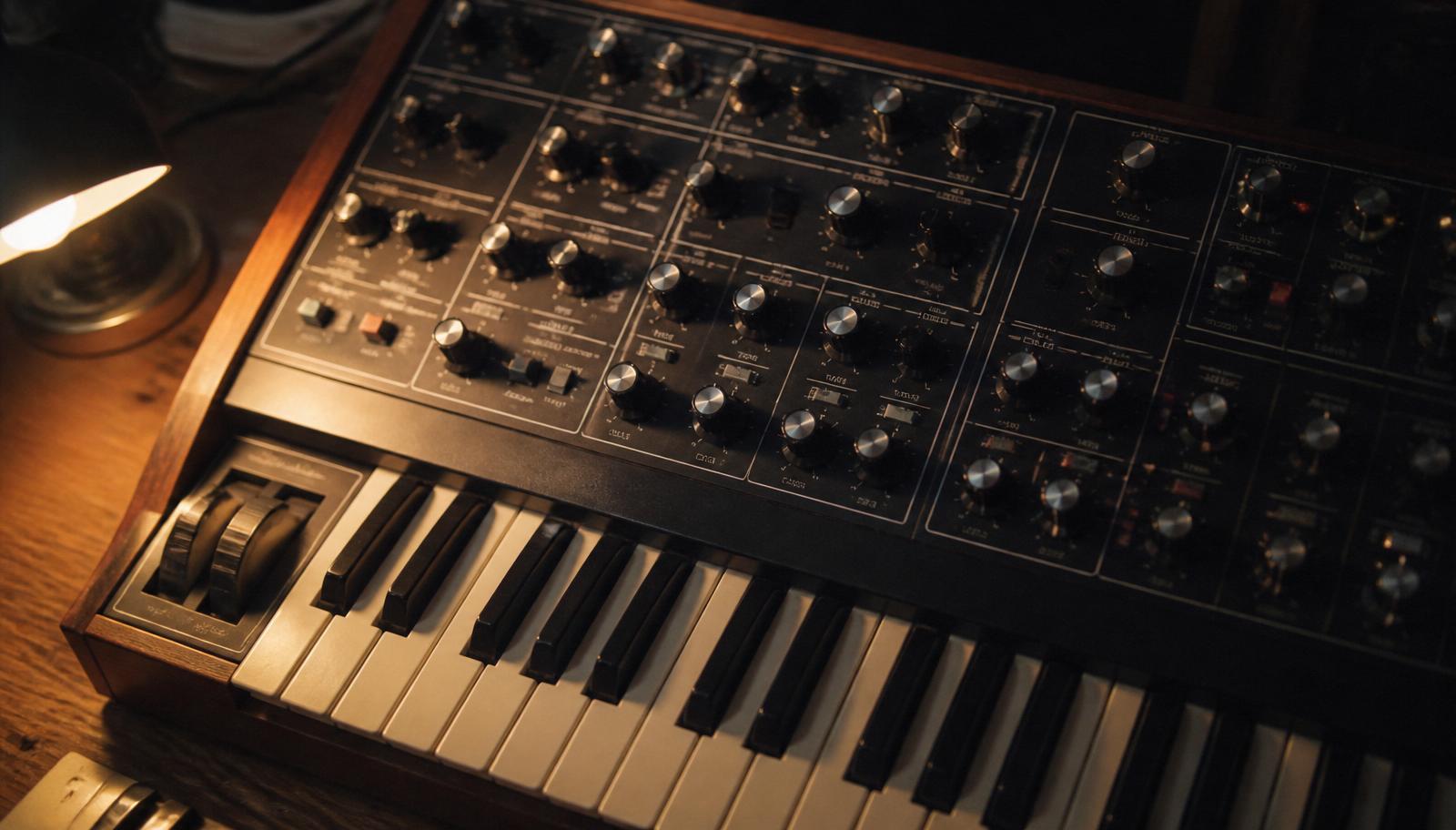
The Sequential Prophet-5 has been called a lot of things — the first fully programmable polysynth, the synth that sold the 1980s, an absurd object to still be chasing on Reverb for $8,000 in 2026. Underground producers will tell you something simpler: it's the warm, slightly drunk pad that holds a record together when nothing else does.
It's also the keyboard that finally got a first-ever official software version this year (opens in a new tab) — built by GForce in partnership with Sequential (opens in a new tab), which makes the long detour from boutique hardware to laptop plugin feel a lot less weird.
Here are five underground records where the Prophet-5 is doing most of the heavy lifting, plus a quick verdict on whether the new plugin actually gets you there.
1. Patrice Rushen — Forget Me Nots (1982)
You know the bassline. The thing you might not know is that the airy chord stabs flickering on the offbeat are a Prophet-5 doing exactly what Dave Smith designed it to do (opens in a new tab) — sit in a mix without elbowing anyone. Forget Me Nots was a modest R&B chart hit at the time, but it became the foundation of an entire boogie-edit ecosystem on labels like Razor-N-Tape and Star Creature decades later. The chord voicing — wide, slightly detuned, never quite in tune with itself — is the Prophet-5 default patch in spirit.
2. Talking Heads — Remain in Light (1980)
Producer Brian Eno was already deep into ambient when he and David Byrne built Remain in Light mostly out of loops, percussion, and the Prophet-5 Eno had recently bought. The droning chord beds under The Great Curve and Listening Wind are largely one synth, played slowly and recorded hot. It's the record that taught a generation of post-punk and DFA-era dance-punk bands that you could replace a guitarist with a polysynth and nobody would complain.
3. The KLF — Chill Out (1990)
If you've ever fallen asleep to an ambient mix on YouTube, the lineage runs back through this album. Bill Drummond and Jimmy Cauty's late-night drive across America is stitched together with field recordings, pedal steel, and long, slow Prophet-5 pads sitting under everything like fog. It's the blueprint for the ambient techno that followed — KLF's own Chill Out dropped two years before The Orb's U.F.Orb and arguably invented the whole "ambient mix album" format that Spotify still monetises today.
4. Burial — Untrue (2007)
William Bevan has never been chatty about gear, but the swelling, vinyl-cracked chords across Untrue — Archangel, Near Dark, Shell of Light — sound suspiciously like a Prophet running through a chain of cassette and convolution reverbs. Whether or not it's literally a Prophet-5 or a software emulation chasing one, the aesthetic is pure Prophet: slightly out-of-tune polyphony, soft attack, just enough hiss to feel like a memory. Half of UK bass music after 2007 is trying to do what this record did.
5. Floating Points — Crush (2019)
Sam Shepherd's Crush is one of the cleanest recent examples of a producer using a Prophet-5 (alongside a Buchla and a wall of modular) as a lead voice rather than glue. LesAlpx and Anasickmodular both pivot on Prophet-shaped chord stabs that sound straight off a 1980 Jeff Lorber session, but routed through a contemporary club mixdown. It's the strongest argument going that the Prophet sound isn't a nostalgia trip — it's a tone that still doesn't have a real substitute.
So… do you actually need a real one?
Until June 2026, the honest answer was: kind of, yeah. Every plugin chasing the Prophet sound — Arturia's Prophet-5 V (opens in a new tab), u-he Repro-5 (opens in a new tab), Cherry Audio PS-3300 (opens in a new tab) — was reverse-engineered without Sequential's blessing. They got close, especially Repro-5, but the official seal of approval was never there.
That changed with GForce's officially licensed Oberheim/Sequential Prophet-5 (opens in a new tab), which we covered when the licensing deal got announced. The short version: it runs $149, models all three Prophet-5 revisions plus the Prophet-10, and is the first plugin Sequential has stamped as official. For producers who don't have $8,000 lying around for a refurbished Rev 3, this is the closest you can legally get to the sound that's been quietly running underground music for forty-five years.
A Prophet-5 in a desk doesn't suddenly make you Patrice Rushen or Burial. But it does explain why every producer who's ever made a record you actually loved keeps coming back to the same handful of pad patches. The instrument has a memory of its own.