 SAMPLED
Free, local stem separation has quietly gotten good enough to rehearse with
Open-source separation tools now run on your own machine — no upload, no queue, no account. Here is where that helps and where it still falls apart.
The useful shift in stem separation this year is not accuracy. It is location. Tools built on open separation models now run entirely on your own computer, which changes what you are allowed to do with them.
Why local matters more than quality
When separation runs in a browser, you upload a copyrighted master to a third party. For a hobbyist that is a shrug. For anyone doing paid work — remixers under NDA, mix engineers handling unreleased material, DJs preparing edits for a label — it is a contract problem. Local processing means the file never leaves the machine.
It also removes the two things people hate about cloud tools: queues and credits.
What it is actually good for
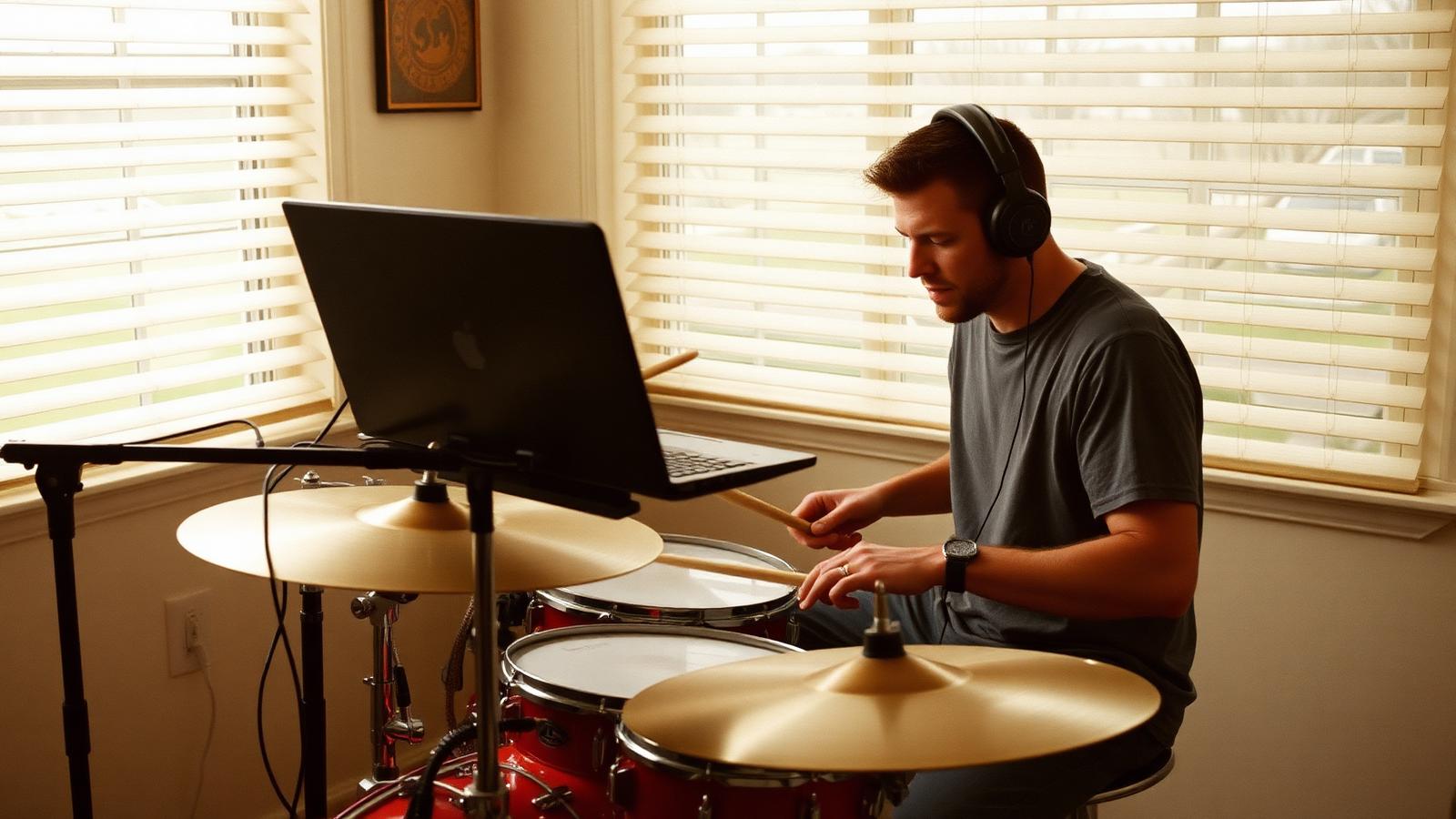
- Rehearsal. Pull the drums out and play along. This is the single most reliable use.
- Reference listening. Solo a bass line to hear the note choices, or isolate vocals to study phrasing and compression behaviour.
- Karaoke and DJ edits. Acapellas for live blends, where a little artifacting hides under the mix.
- Restoration triage. Deciding whether an old live recording is salvageable before booking real work.
Where it still fails
- Dense low end. Kick and 808 share the same range; separation smears both.
- Reverb tails. The tail belongs to the room, not the source, so it gets assigned somewhere wrong and sounds like a swallowed word.
- Anything you intend to master. Separated stems are approximations. Mixing from them is building on a photocopy.
The part people skip
Separation does not grant rights. Extracting an acapella does not license it. If you are releasing rather than rehearsing, you still need a sample clearance or a licensed stem pack. That is not legal caution for its own sake — it is the difference between a release that stays up and one that gets pulled after it starts working.
How to get started sensibly
- Test on a track you know intimately; you will hear artifacts you would miss on a new song.
- Render at the highest quality setting once, rather than fast settings repeatedly.
- Keep the original file. Always. Separated output is disposable.
How to learn more: the underlying research is public — the Demucs model family is what most of the free front-ends wrap.