 SAMPLED
Kurupt went back to Death Row and handed the whole album to one producer
Tales From My Hood reunites the Dogg Pound MC with the label after two decades — and puts DJ Battlecat behind every single track. That choice is the record.
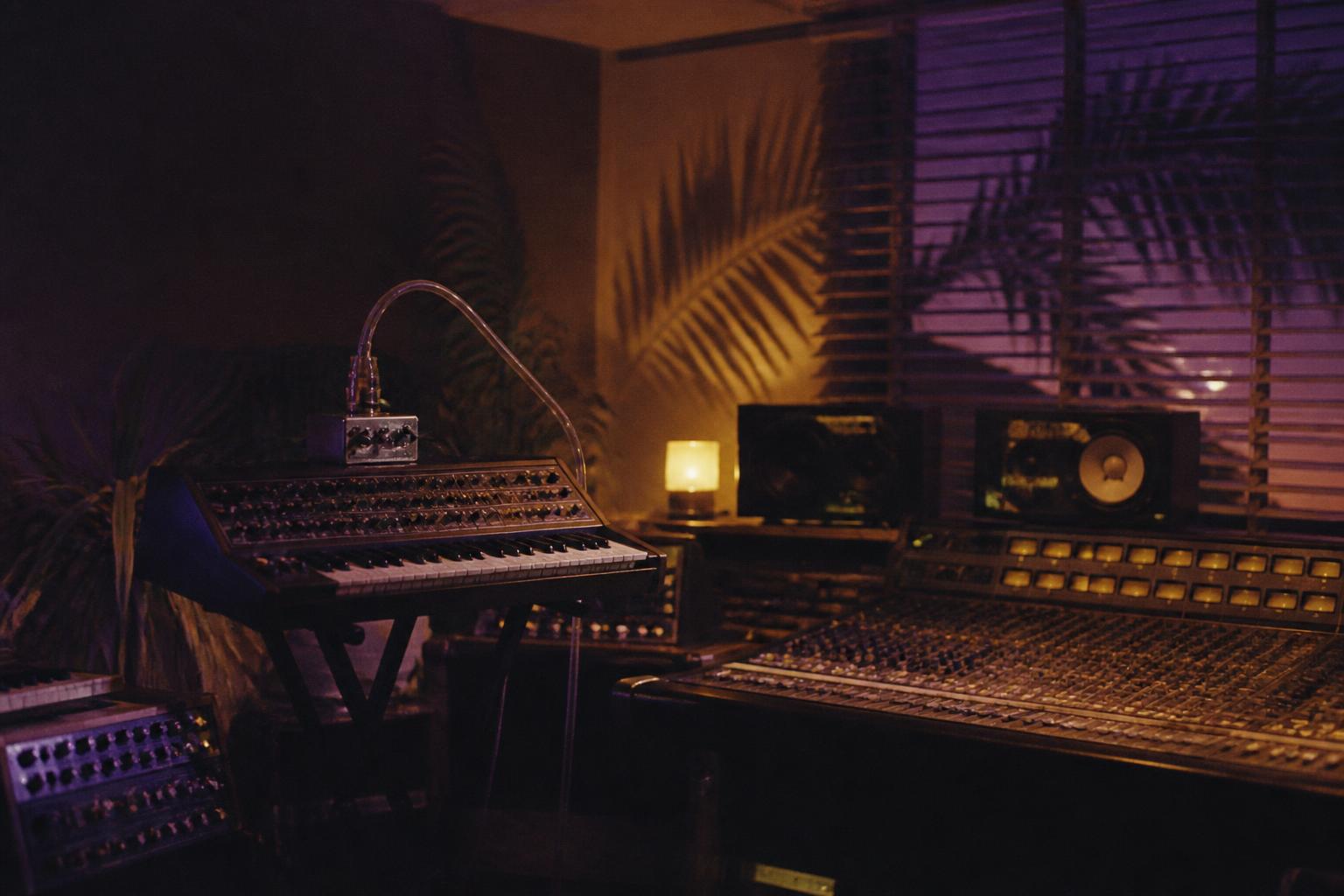
Kurupt is back on Death Row Records for the first time in about twenty years. The album is called Tales From My Hood. The reunion is the headline; the production credit is the actual story.
Per peermusic's announcement (opens in a new tab), the record features BJ The Chicago Kid, D Smoke and Snoop Dogg, with production from DJ Battlecat. Not "additional production from." Battlecat is credited on all eleven tracks on the released tracklist — "Intro," "Sneak Attacc," "Me N The Boyz," "Special," "Mystic River," "Wat U Do To Me," "Love Letter," "West Coast Muzik," "Mindstate," "I Don't Luv Her," "Gunna."
Why a one-producer album sounds different
Single-producer rap albums have become rare for boring reasons: a beat pack from eight producers is faster to assemble and spreads the bet across more playlist algorithms. The cost is that the record stops being a room and starts being a folder.
Handing all eleven to Battlecat does three concrete things:
- The low end stays consistent. One producer means one set of sub decisions across the sequence, so the album mixes as a unit instead of eleven separately mastered singles fighting each other.
- Motifs can carry. A talkbox figure or a synth patch introduced on track two can come back on track nine and read as intentional rather than accidental.
- Tempo becomes a shape. You can build a run, drop it, and come back, because one person is tracking where the listener is.
What Battlecat actually does
Battlecat is a G-funk architect in the literal sense — the sound is a set of construction rules, not a genre tag. The recognisable pieces:
Live bass, not a sample of bass. G-funk bass lines walk. They move between chord tones with slides and ghost notes, which is why the pocket sits differently than a static 808 pattern. That movement is the reason the tempo feels slower than the BPM suggests.
A single-oscillator lead, tuned sharp. The whining lead is usually a simple saw or square with heavy portamento, pushed just above the vocal in the midrange so it argues with the rapper instead of hiding behind him.
Talkbox as harmony. Talkbox lines are chords, not effects. They double the bass or the lead a third up and glue the mid-band together.
Space in the drums. Kick and snare are dry and forward; almost everything else is what carries the reverb. That contrast is what makes the records sound wide on car speakers, which is the format they were mixed for.
The vocal side of the reunion
Kurupt has one of the best technical flows of the Dogg Pound era — dense, front-loaded, prone to switching cadence mid-bar. That style needs dry, close vocal recording and very little rhythmic clutter underneath, because the syncopation is already in the delivery. Battlecat's arrangements leave that gap open by default, which is a big part of why the pairing works better than a contemporary trap production would.
The guest list reinforces the same logic. BJ The Chicago Kid and D Smoke are both singers-first collaborators in this context, used for hooks and harmonic lift rather than verse-trading. Snoop appears across several tracks including the intro, "Sneak Attacc" and "Me N The Boyz," which puts the Dogg Pound history back in the room without the album becoming a reunion tour in audio form.
The takeaway for producers
If you take one thing from this record, take the structural one: pick a sound and commit to it for a whole project. The reason so many independent albums feel thin is not budget or plugin quality. It is that eleven tracks made by eleven people in eleven rooms cannot build a world, no matter how good any individual beat is.
Tales From My Hood is out now.