 SAMPLED
Beat Konducta Vol. 5-6: how Madlib turned a Dilla tribute into 42 instrumentals
Dil Cosby & Dil Withers Suite is the softest, saddest corner of the Beat Konducta series. Here is what Stones Throw says about it and what producers can take from the way it is built.
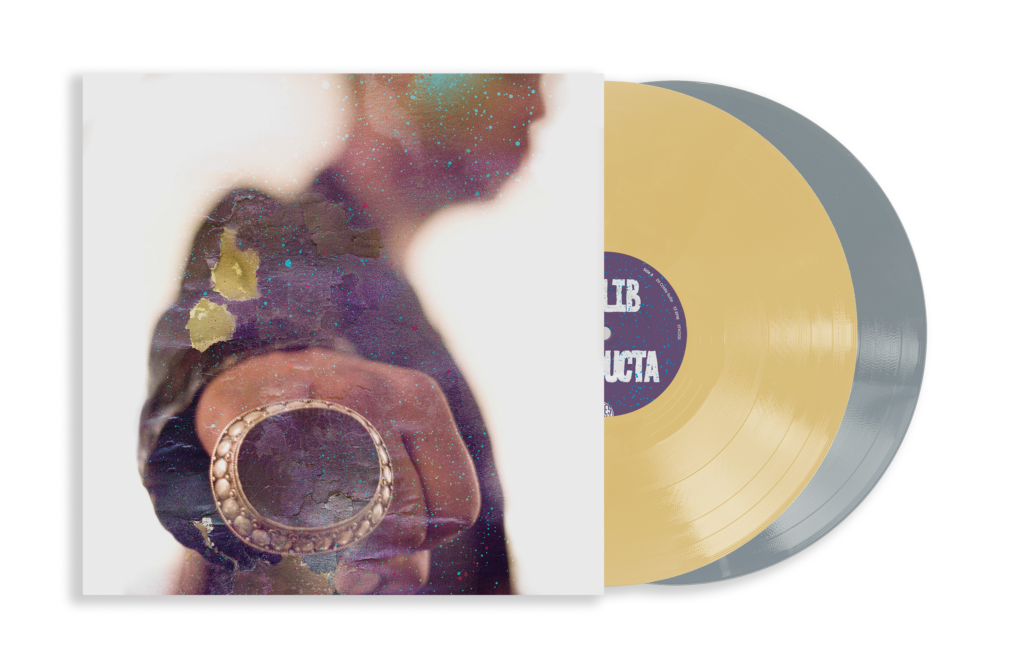
Beat Konducta Vol. 5-6: Dil Cosby & Dil Withers Suite started as two separate LPs in 2008, made after J Dilla's death and with contributions from J. Rocc. Stones Throw's own description of the reissue is blunt about the intent: 42 soulful, floating instrumentals that "bid farewell to Jay Dee."
It is getting a new pressing as part of the Beat Konducta box set (opens in a new tab), in a metallic silver and gold "Steady Metals" edition shipping late September 2026.
The three tracks the label points at
Stones Throw highlights "The Mystery (Dilla's Still Here)," "Anthenagin' (?)" and "Dillalade Ride (Contact High)." Titles aside, those three are a decent map of the whole record: a slow soul loop with the drums pushed back, a chopped-up flip that keeps stumbling on purpose, and a driving one that sounds like it wanted to be a car record.
What makes it sound different from the rest of the series
Volumes 1-4 are built on library-record logic — short cues, hard cuts, functional moods. Vol. 5-6 abandons that. The loops are longer, the sample tails are left in, and the drums frequently sit behind the sample rather than on top of it.
Three things a producer can copy directly:
- Let the sample decay. Most beat-tape edits cut the loop at the bar line. Half of this record's warmth comes from reverb and room tone bleeding past the loop point.
- Under-quantize the kick, not the snare. The lurch in these beats is almost always the kick sitting a hair late against a snare that stays put. It reads as "human" rather than sloppy because the backbeat is still an anchor.
- Make forty short ones instead of ten long ones. Forty-two instrumentals across two LPs means most ideas get ninety seconds and then stop. That constraint kills the temptation to pad a beat with a second section it does not need.
Why the tribute framing matters
Madlib and Dilla worked together as Jaylib, and Champion Sound remains the clearest document of two producers trading roles. Vol. 5-6 is not that — it is one producer working in the other's grammar after he is gone: bass-heavy, off-grid, soul-sampled, and unusually gentle.
Heard next to Donuts — still in print at Stones Throw (opens in a new tab) — it is a companion piece rather than an imitation. Donuts is restless and cut to ribbons. Vol. 5-6 sits still and lets the records play.
Pre-orders for the Steady Metals edition (opens in a new tab) are open now.