 SAMPLED
What Is LUFS, and How Loud Should Your Song Be for Streaming?
LUFS explained simply: what the number means, why streaming services turn loud songs down, and the loudness targets to aim for.
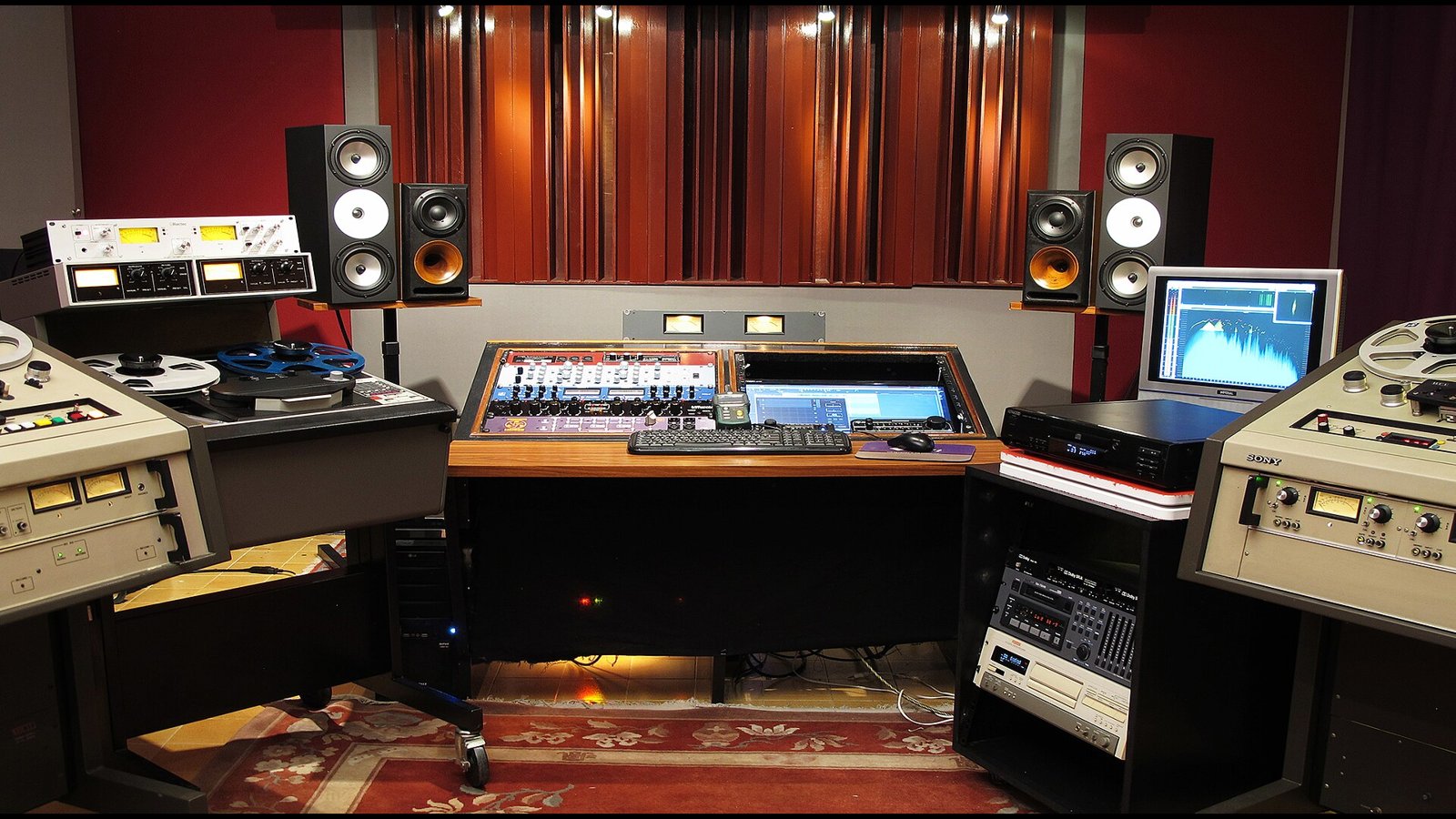
LUFS stands for Loudness Units relative to Full Scale. It's a way of measuring how loud a song sounds to people, rather than just how high its peaks reach. Streaming services use LUFS to make songs play back at a similar volume.
Why does LUFS matter?
Most streaming services use loudness normalization. If your song is louder than their target, they turn it down. If it's quieter, some turn it up. That means squashing a master to be as loud as possible doesn't make it louder on streaming — it just makes it flatter and less punchy after it's turned down.
What are the types of LUFS readings?
- Integrated LUFS: the average loudness of the whole song. This is the number streaming targets refer to.
- Short-term LUFS: loudness over about 3 seconds. Useful for checking hooks and drops.
- Momentary LUFS: loudness over a fraction of a second.
- True peak (dBTP): the highest level the audio reaches, including peaks that can appear when the file is converted to MP3 or AAC.
What LUFS should you master to for streaming?
Commonly cited reference levels:
| Platform | Normalization target |
|---|---|
| Spotify (default setting) | about -14 LUFS |
| YouTube | about -14 LUFS |
| Apple Music | about -16 LUFS |
Spotify also recommends keeping true peaks below -1 dBTP so the file doesn't distort when it's encoded. Platforms can change their settings, so check each service's current guidance before release.
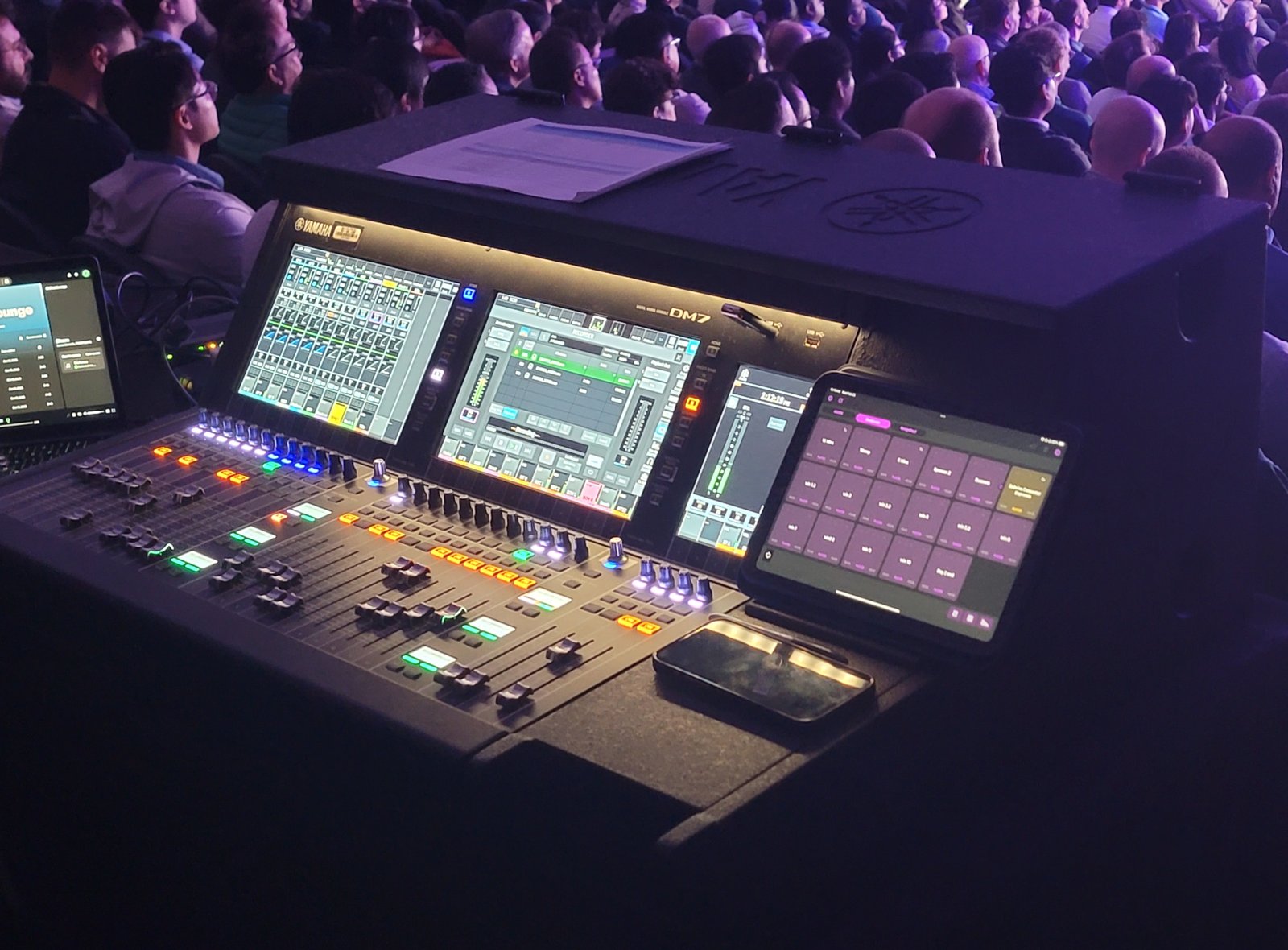 Photo: Викидим via Wikimedia Commons (opens in a new tab) (CC0)
Should you master exactly to -14 LUFS?
Not necessarily. Many commercial releases are louder than -14 LUFS, and that's fine as long as the song still sounds good. Think of the targets as a reference, not a rule:
- Prioritize punch and clarity over a number.
- Compare your master against similar songs after normalization.
- Keep true peaks below -1 dBTP.
How do you measure LUFS?
Use a loudness meter plug-in on your master channel. Many DAWs include one, and free meters are available. Play the entire song from start to finish to get the integrated reading.
Is LUFS the same as dB?
No. Decibels on a regular meter show signal level and peaks. LUFS is weighted to match how human hearing perceives loudness, which is why two songs with the same peak level can have very different LUFS readings.
Next step: learn what mastering is and how to prepare your mix for mastering.