 SAMPLED
The Oasis desk tapes are going to auction — who owns the recordings you never released?
A sound engineer's archive of concerts, rehearsals, and unguarded conversation is heading to sale. The band wants it back. The lesson applies to every hard drive in your studio.
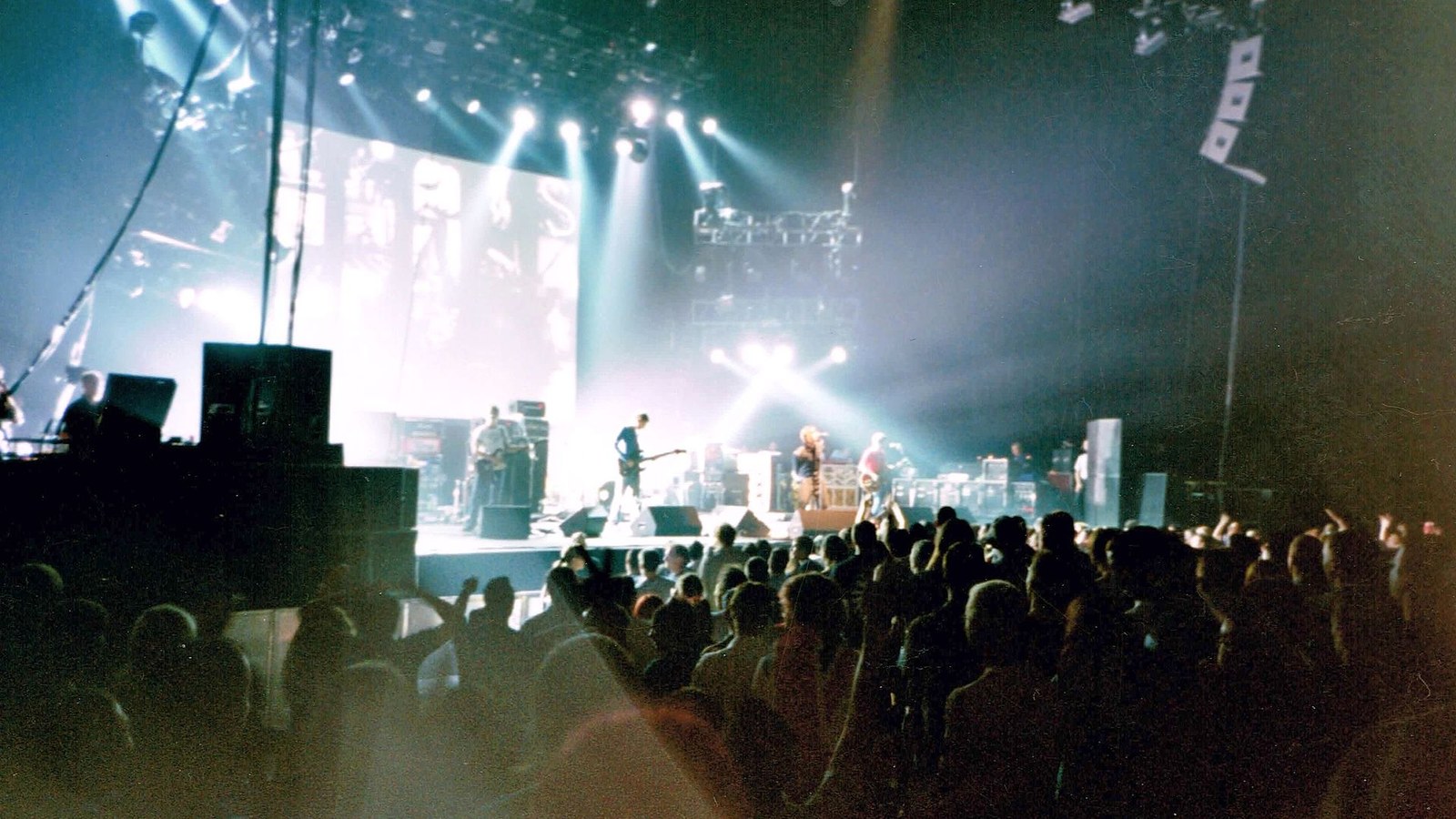
An archive of Oasis recordings — live desk tapes, rehearsals, and unfiltered conversation between Noel and Liam Gallagher — is heading to auction, reportedly against the band''s wishes 1 (opens in a new tab). NME reported the band is "unhappy" and wants the material back in their possession 2 (opens in a new tab), with the collection valued at over a million pounds 3 (opens in a new tab). The tapes came down through the family of a sound engineer who worked with them 4 (opens in a new tab).
Two different things are being sold
This is the part people miss. Owning a tape is not owning the copyright in what is on it.
- The physical object — the reel, the DAT, the drive — is property. It can be sold, inherited, and auctioned like a guitar.
- The copyright in the recording stays with whoever owns it under contract, usually the artist or label.
So a buyer can legally own a once-in-a-generation artifact and still not be able to release a second of it. That is why these auctions are collector events, not reissue announcements — and why bands fight them anyway: possession is the practical route to leaking, bootlegging, and losing control of unheard work.
The same thing is happening in your studio, smaller
Every engineer, producer, and session player who has worked with you is walking around with copies of your unreleased material. Rough mixes on a laptop. Stems in a shared folder. A phone recording of the take that fell apart and became the good idea.
You cannot claw that back later without paperwork you already signed.
Do these five things this month
- Put a work-for-hire and confidentiality line in every engineer, mixer, and session agreement. One paragraph: recordings made in the course of the work are owned by you; copies are not to be distributed, sold, or transferred.
- Say what happens to session files. Delivered to the artist, and deleted or retained by the engineer — pick one, in writing.
- Own your own archive properly. Two backups, one offsite, with a label scheme a stranger could read. Undocumented drives are what descendants auction.
- Log who has copies. A plain text file listing collaborators and what they hold is worth more than you think at 3 a.m. ten years from now.
- Decide what your estate does with it. If it matters to you now, write down who inherits the drives and what they are allowed to do with them.
The uncomfortable takeaway
Oasis have money, lawyers, and fame, and they still cannot simply take the tapes back. The window to control your archive is when the session happens — not when someone finds a box in an attic.