 SAMPLED
What Are the Best MBA Alternatives for Creatives?
Business courses, free mentoring, music-business certificates and hands-on learning: how creatives can build business skills without committing to an MBA.
An MBA can be useful. It can also be an expensive answer to a question you have not asked clearly enough.
If you are a producer trying to price sessions, an artist trying to understand royalties, a designer building a freelance practice, or a filmmaker negotiating your first repeat clients, start with the actual gap. Do you need accounting? A better sales process? Someone to review your contracts? A professional network? Or a credential that a particular employer requires?
Those are different problems. They do not all need the same qualification.
The strongest alternatives to an MBA for creatives combine structured business learning, informed feedback and work you can test in the real world. They are not equivalent degrees, and they do not promise the same recruiting access. But they can give you a more targeted way to learn how to run the thing you make.
Program descriptions checked October 17, 2026. Fees, enrollment terms and local availability can change. The business-support examples below are primarily U.S.-focused.
What do you actually want an MBA to do for you?
Before comparing courses, finish this sentence: “Six months from now, I need to be able to ___.”
Make the answer observable. “Understand business” is too broad. “Calculate the minimum session rate that covers my expenses,” “read a proposed licensing agreement,” or “build a repeatable process for finding three new clients” gives you something to learn and a way to check whether it worked.
Separate four kinds of value:
- Knowledge: accounting, finance, marketing, strategy and operations.
- Feedback: someone qualified to challenge your numbers and decisions.
- Relationships: peers, potential collaborators, employers and customers.
- Credential: a recognized qualification for a specific career path.
An online course may address the first. A mentor may help with the second. A local business community may contribute to the third. None automatically replaces the fourth.
If you cannot identify which of these you are buying, postpone the purchase—not the learning.
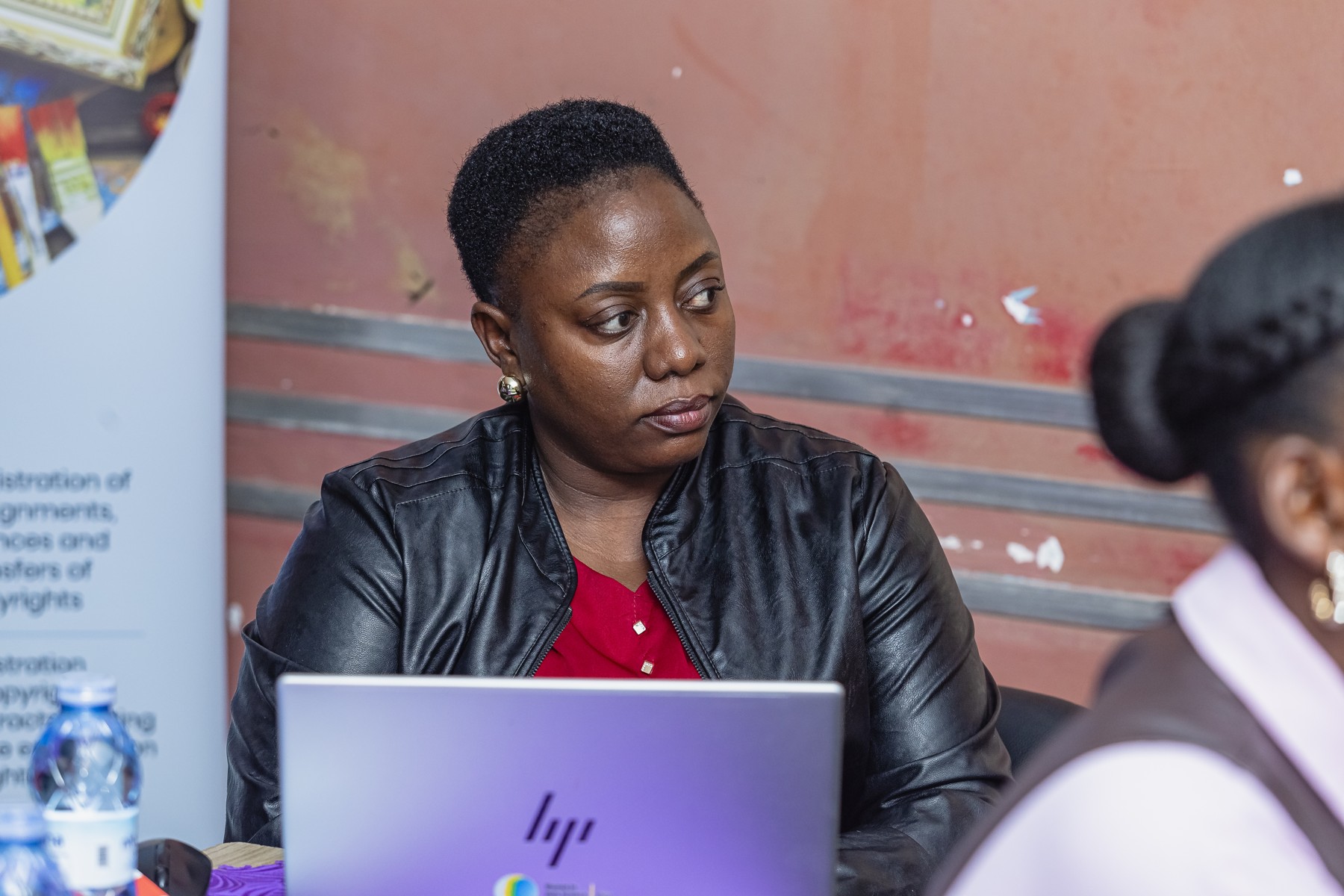
Cover: a participant at a Copyright & Creative Commons workshop organized by Wikimedia community user group Uganda, described on Commons as part of its Art+Feminism Uganda initiative. Photo by Klassic256 / Bwette Daniel Gilbert (Bwette Photography), via Wikimedia Commons (opens in a new tab), CC BY-SA 4.0 (opens in a new tab). Resized for web; the image remains under CC BY-SA 4.0. Illustrative photo, not an endorsement of the programs discussed.
Which MBA alternatives are worth considering?
| Route | Best fit | What to check before committing |
|---|---|---|
| Business foundations courses | Accounting, finance, marketing and analysis gaps | Curriculum, assessment, total fees and credential type |
| SCORE or an SBDC | Feedback on an actual U.S. small business | Eligibility, adviser fit and local availability |
| Community college classes or certificates | Instructor-led learning in a specific skill | Current catalog, tuition, schedule and academic credit |
| Music-business courses | Rights, artist careers and industry operations | Specialist coverage versus general business skills |
| Paid work inside a creative company | Learning how an operating business functions | Supervision, pay, responsibilities and learning opportunities |
| A small project plus mentoring | Applying knowledge to your own offer | Spending cap, permissions and honest results review |
| A focused peer group | Accountability and constructive challenge | Relevant experience, confidentiality and clear boundaries |
1. Can a business foundations course give you the missing basics?
Wharton’s Business Foundations Specialization on Coursera (opens in a new tab) is a six-course series covering areas including marketing, finance, accounting and operations, with a capstone. It is foundational learning, not an MBA. Do not read “enroll for free” as a promise that the complete assessed program or certificate is free; check the access and subscription terms shown to you.
HBS Online’s Core Business Essentials (opens in a new tab) is another non-MBA option: a 17-week credential covering business analytics, business strategy and financial accounting, with workplace-dynamics lessons and a capstone. HBS renamed and reworked the former CORe program (opens in a new tab) beginning with the June 2026 offering, so older descriptions may not match the current curriculum. It is a paid program; confirm the fee for your chosen session.
For a free starting point, the U.S. Small Business Administration’s Learning Platform (opens in a new tab) offers small-business learning paths. The SBA describes its online learning offerings as free, on-demand courses (opens in a new tab). These are business resources, not a graduate degree.
For a creative business, translate each lesson into an operating document. Accounting becomes a monthly income-and-expense report. Marketing becomes a clear customer, offer and reason to buy. Finance becomes a cash forecast that shows when the money arrives, not just when you send an invoice.
Do not collect five certificates before using the first course. A spreadsheet you can explain is more useful to your own business than a completed module you cannot apply. Our guide to free business courses for creatives provides another starting point; check each provider’s current access terms.
2. Can free mentoring help you make better business decisions?
For U.S.-based businesses, SCORE offers free one-to-one mentoring (opens in a new tab). That can be useful when your problem is not a lack of information but a lack of informed feedback.
America’s Small Business Development Centers (opens in a new tab) are another route: the network offers no-cost business consulting and low-cost training through local centers. Check the services, eligibility and workshop fees at the center serving your area. Outside the U.S., look for the equivalent local enterprise agency or small-business support organization rather than assuming these programs apply to you.
Bring something concrete to the first conversation: your service menu, expenses, a cash forecast, a proposed launch or a client problem. “How do I become successful?” is difficult to answer. “I charge this amount, each job takes this many hours, and these are my costs—what am I missing?” creates a useful conversation.
A general business mentor is not automatically a music lawyer, tax adviser or licensing specialist. Use mentoring to identify the issue, then involve the appropriate professional when legal rights or tax obligations are at stake.
3. Is a community college certificate a better fit than a full degree?
A local community college or adult-education provider may offer individual classes or certificates in bookkeeping, small-business management, digital marketing, entrepreneurship or project management. Availability, tuition, admission requirements and whether a course carries academic credit vary by institution.
Rather than choosing the longest program, request the syllabus. Ask whether you will build a cash forecast, practice pricing, receive instructor feedback and work with realistic business examples. Check class times and the total cost, including materials and any required software.
This route is worth investigating if you want deadlines and an instructor but do not need a graduate degree. It can also let you address one weakness—such as bookkeeping—without signing up for a broad management curriculum.
4. Should musicians choose music-business education instead?
Berklee Online’s music-business offerings (opens in a new tab) include individual courses and non-degree certificates. Its Music Business Fundamentals Professional Certificate (opens in a new tab) is one option to investigate if your questions are tied to the industry rather than a general corporate-management career.
Check the current required courses, fees and prerequisites directly. A certificate is not the same credential as a bachelor’s, master’s or MBA, and Berklee’s degree offerings should not be confused with its non-degree options.
The advantage is relevance. A general marketing assignment might use a consumer-products company. A music-business class can put the discussion closer to artist development, music rights, releases and professional relationships.
The limitation is also relevance: industry knowledge will not automatically teach you how to keep your own books or manage cash. Pair specialist learning with basic accounting rather than assuming one replaces the other. Our free music licensing resources are another starting point for the rights side.
5. Can working inside a creative business become your business education?
A paid assistant role, internship or part-time operations job can expose you to decisions that courses describe from a distance. A studio, venue, agency, label or production company may give you a chance to see scheduling, budgets, customer communication, delivery and payment collection in practice.
That opportunity depends on the role. Ask who will supervise you, what you will learn, whether you can observe planning or operations, and how progress will be reviewed. A title that says “intern” is not a curriculum.
Favor paid opportunities. In the United States, unpaid internships at for-profit employers are assessed using the Department of Labor’s primary-beneficiary framework (opens in a new tab), not simply the employer’s decision to call the position educational. Other jurisdictions have their own rules.
Keep a learning log without copying confidential information: what happened, what decision was made, what constraint drove it and what you would do differently. Do not take client lists, private contracts, unreleased recordings or internal files for your own business.
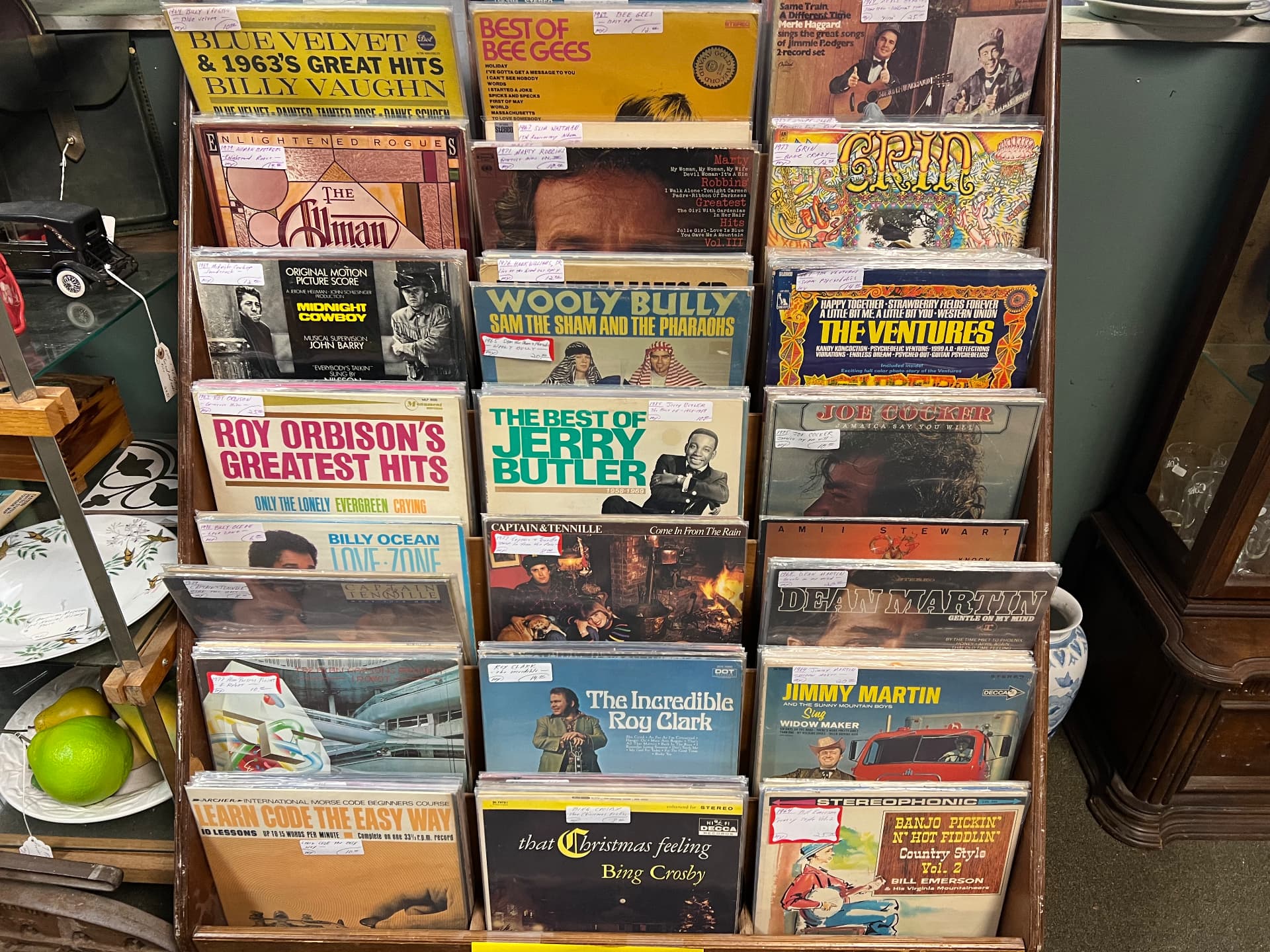
Photo: Robert Anthony / Sampled. Previously published in our creative music-income guide.
6. Can a small real project teach you more than another course?
Running a tightly scoped project can be a practical complement to formal learning. It is not a reason to gamble your savings or skip the basics.
Choose something you can finish: a paid production package, a limited merch run, a small ticketed show, a workshop, a freelance editing service or a digital resource for a specific audience.
Before launching, write down:
- Who the customer is and what they are buying.
- The price and direct cost of each sale.
- Your fixed costs and the maximum cash you will put at risk.
- How you will reach customers without assuming an audience appears.
- What you must deliver, by when, and how refunds or changes work.
- The result that would justify repeating the project.
Afterward, compare the forecast with reality. Count your own time. Revenue is not profit, a sold-out event is not proof of a sustainable business, and followers are not the same thing as paying customers.
For ideas you can adapt, see our guide to making money with music in 2027. The goal here is not to chase every income stream. It is to choose one small enough to learn from without creating a second full-time job.
7. How do you build a useful network without business school?
Create a small peer group with people who actually do the work: a designer, a producer, a filmmaker, a freelancer or a small-business owner. Meet regularly around a real question—not a round of motivational updates.
Each person brings one decision, the relevant numbers and what they have already tried. Examples: a rate increase, a stalled proposal, a release budget or whether to hire help. Ask for reasoning, not reassurance.
Set boundaries. Do not share confidential client material. Avoid coordinating prices with competitors; get legal advice if an industry group’s discussions raise competition-law concerns. You can discuss your own costs and decision-making without agreeing what everyone should charge.
Look for people who can disagree constructively. A group that only applauds you will not supply the feedback you hoped to get from school.
How much should you spend on an MBA alternative?
There is no honest universal price comparison. Course fees, subscriptions, financial aid, local tuition and employer support vary, and “free to access” does not necessarily mean “free certificate.”
Compare the complete cost: tuition or subscription payments, software, materials, travel, time away from paid work and professional help needed to apply what you learn. Confirm renewal and cancellation terms before paying for a platform.
Set a learning budget separately from your project budget. Buying a course and funding the business experiment are different expenses.
Start with a free resource when it meets the need. Pay when you can name the additional value: instructor feedback, assessment, a relevant cohort, deeper subject coverage or a credential you will actually use. A prestigious name alone does not tell you whether the next lesson solves your problem.
When might an MBA still be the right choice?
An MBA deserves consideration when your target career genuinely benefits from the degree, a particular program offers relevant recruiting relationships, or you want sustained management education with a cohort and can justify the full cost.
Check the actual employers, roles and program outcomes you are targeting. Do not assume all MBAs offer the same access, or that a school’s broad employment statistics describe prospects for independent musicians and artists.
If the immediate problem is late invoices, unclear rates or an unprofitable service, a degree may be a disproportionate first response. If the goal is a substantial career transition into a management role where the qualification matters, short courses may not supply what you need.
This is a fit decision, not an argument that business school is useless.
What could a 90-day creative-business learning plan look like?
The following is an example plan, not a program credential or a promise of financial results.
Days 1–30: Learn the numbers. Choose one foundations course or bookkeeping class. Build an income-and-expense report, a cash forecast and a clear calculation of what your time costs. Take those documents to a mentor or suitable adviser.
Days 31–60: Test one offer. Define a specific customer and deliverable. Write a proposal, establish payment terms, cap the budget and run a small project. Use appropriate professional help for contracts, taxes or permissions.
Days 61–90: Review and improve. Compare planned and actual costs, hours and revenue. Ask a peer or mentor to challenge the assumptions. Decide whether to repeat, reprice, redesign or stop. Choose your next course based on the weakness the project exposed.
You should finish with working documents, a tested decision and a clearer view of what you do not know—not just a folder full of completion badges.
Do you need an MBA to run a creative business?
Not as a universal requirement. A producer, artist or freelancer can build business competence through a combination of targeted study, mentoring, specialist advice and practical work. That does not make those routes an MBA, nor does it remove any qualifications required for regulated work or a particular job.
Start by identifying the decision you cannot currently make well. Learn enough to make it, get someone qualified to check your reasoning, and measure what happens. Then choose the next gap.
A business education should make your creative work more sustainable. It does not have to become a detour from it.