 SAMPLED
Best Audio Interfaces for Home Studios
Focusrite Scarlett 2i2, Universal Audio Volt 2, Audient iD4, MOTU M2 — the front door of your studio, picked by how you actually record.
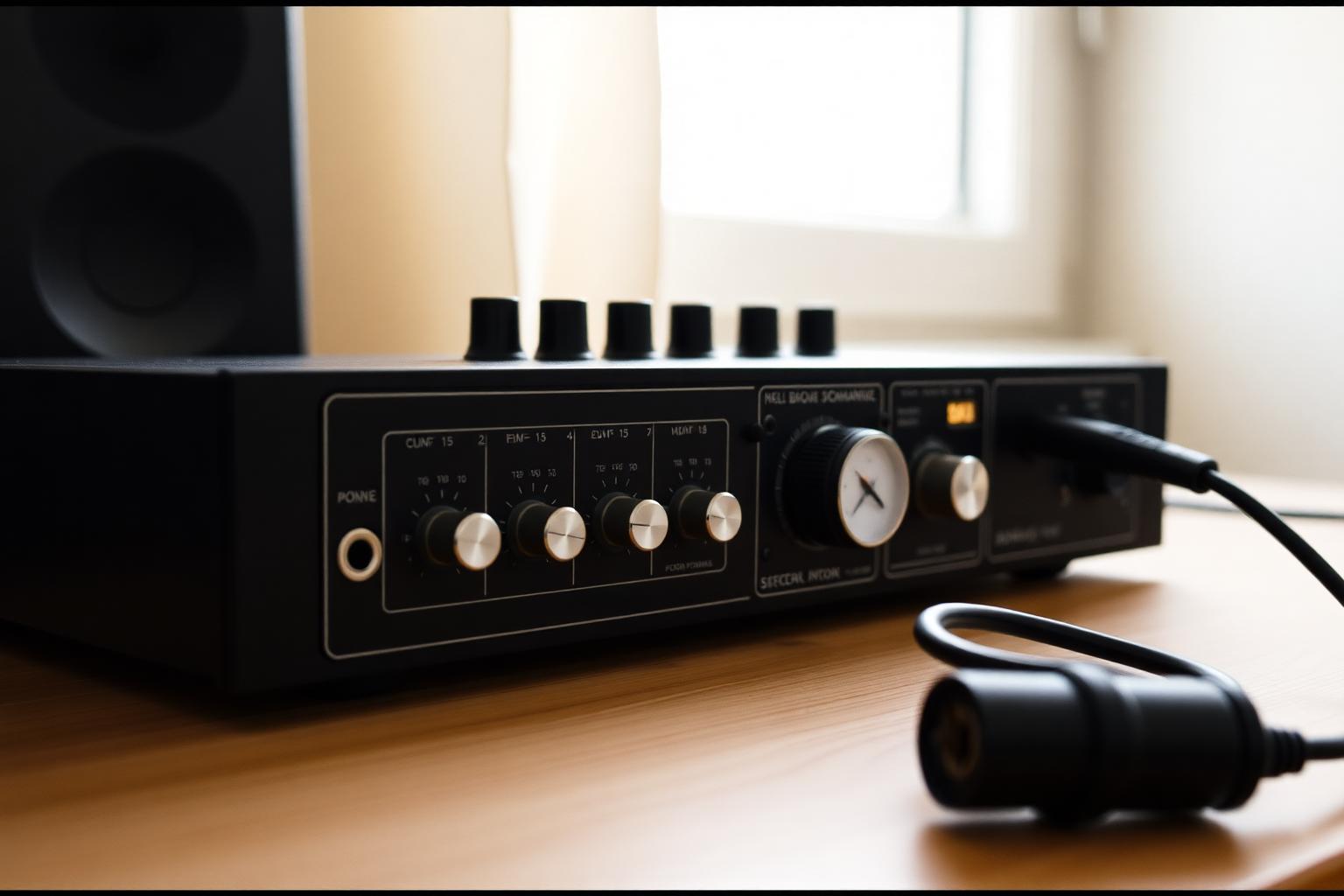
An audio interface is the unglamorous piece of gear that quietly decides whether your recordings sound like records or like demos. It's the box that turns a vocal or a guitar or a synth into something your laptop can actually use. And the difference between a phone memo and a real session is mostly sitting on that box.
You don't need a rack. You don't need eight inputs. You need clean gain, drivers that don't crash, low-latency monitoring so you can sing without that delayed-echo headache, and a software bundle that gets you working today. Most home studio interfaces in the under-$300 lane have all of that. The question is which flavor.
Focusrite Scarlett 2i2 (4th Gen)
The Focusrite Scarlett 2i2 (opens in a new tab) has been the default starter interface for a decade, and the 4th Gen (opens in a new tab) refresh actually earned the upgrade. Two inputs, Auto Gain so you stop guessing levels, Clip Safe so you stop ruining takes, and an Air mode that adds presence to vocals without sounding fake. If you're recording a vocal and a guitar and you don't want to overthink anything, this is the answer.
Universal Audio Volt 2
The Universal Audio Volt 2 (opens in a new tab) has a Vintage preamp mode that's basically a "make it sound like a record" button. It's not magic — UA built it to emulate a classic preamp circuit — but it makes vocals and guitars sit better with very little work. If you care about tone more than features, Volt 2 has a clear sonic identity in a price range where most boxes sound the same.
Audient iD4
Audient iD4 (opens in a new tab) is the smart pick for solo artists who only ever record one thing at a time and want the front-end quality to be better than the box's footprint suggests. The preamps punch above the price. The build feels serious. If you're a vocalist or guitarist who never tracks two sources at once, you're paying for the parts you actually use.
MOTU M2
MOTU M2 (opens in a new tab) is the producer's pick. Ultra-low latency, clean conversion, and the front-panel meters mean you can see your levels at a glance instead of squinting at the screen between takes. If you're constantly tracking ideas fast and don't want to fight the gear, M2 stays out of the way.
How to choose without overthinking it
- Singer-songwriter recording vocals and guitar at home: Scarlett 2i2
- Want a built-in tone color without a plugin chain: Volt 2
- Solo artist, one source at a time, preamp snob: iD4
- Beatmaker or producer who values metering and speed: M2
The mistake isn't picking the wrong one. The mistake is upgrading before you've outgrown what you have. Every interface on this list can make a finished record. The thing keeping your demos sounding like demos isn't usually the box — it's the room, the mic placement, the gain staging, and the take.
A good interface won't write the song. It will just stop the gear from being the reason it didn't get finished.