 SAMPLED
How Do You Pitch Your Music to Playlists Without Getting Scammed by Bot Farms?
Free editorial pitching, how to spot fake playlists, and legitimate curator platforms for independent artists.
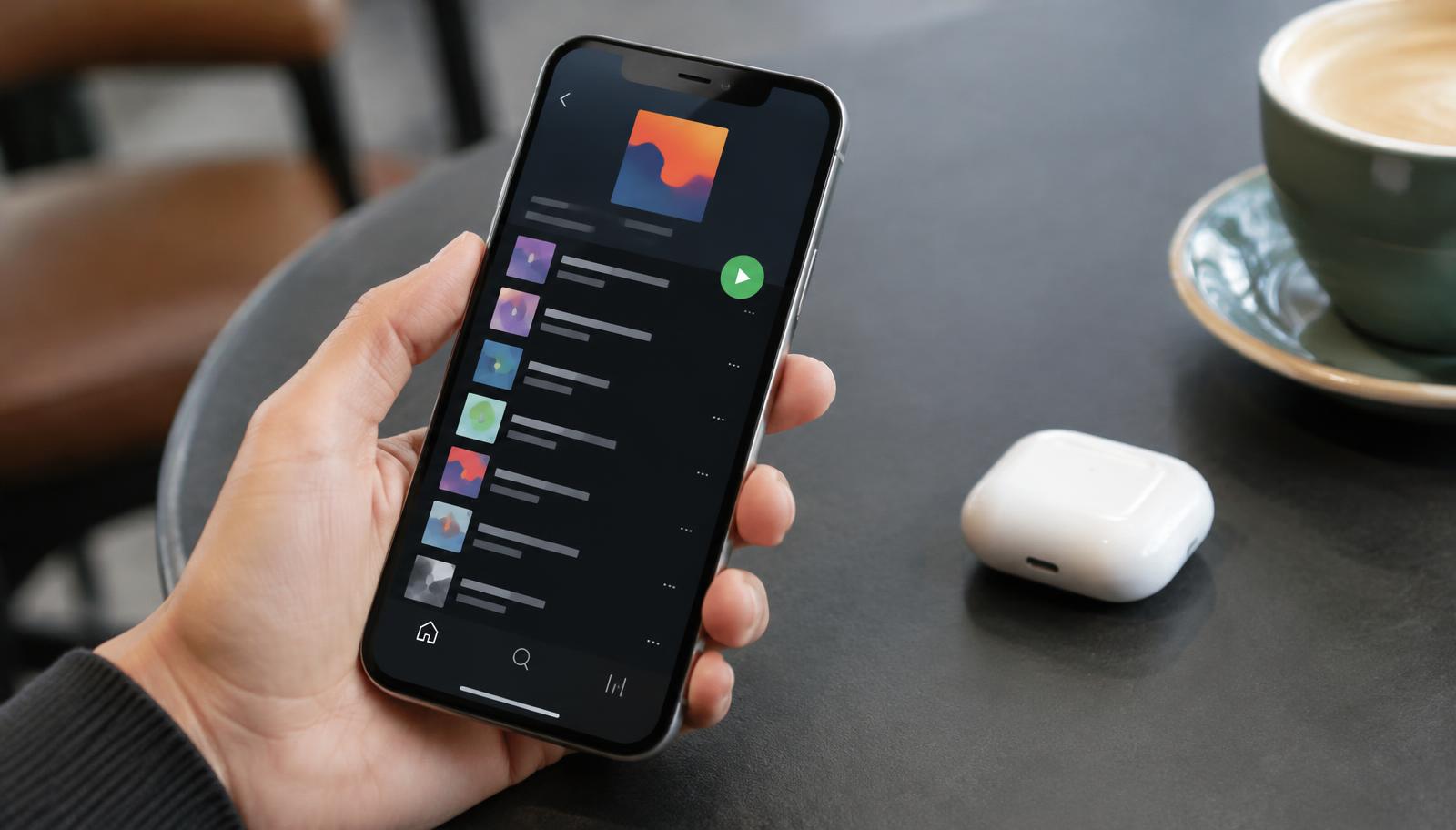
In 2024, US federal prosecutors charged a North Carolina man, Michael Smith, with using AI-generated songs and automated accounts to collect millions of dollars in streaming royalties. His case is extreme, but the tools he is accused of using are not rare. Fake streaming services advertise to independent artists every day, often dressed up as "playlist promotion." Paying for them can get your music removed, your royalties withheld and your distributor account closed.
Real playlist growth works more like a farmers market than a billboard. You find stalls that already attract the right shoppers, and you earn a spot by bringing something they want. Here is how to do that safely.
Step 1: Start with your free editorial pitch
The best playlist pitch costs nothing. Spotify for Artists (opens in a new tab) lets you pitch one unreleased song to Spotify's editors per release.
- Upload your release through your distributor at least three to four weeks early.
- In Spotify for Artists, pitch the song at least seven days before release. Spotify says this also helps get the song into your followers' Release Radar.
- Fill in genre, mood, instruments and the story behind the song. Editors read it.
Apple Music, Amazon Music and others have editorial teams too. Ask your distributor how they pitch to them.
Step 2: Learn how to spot a bot playlist
Before you submit to or pay anyone, check the playlist like you would check a used car:
- Followers vs. listeners: huge follower counts but almost no saves or real engagement.
- Sudden spikes: your stream count jumps and then falls to zero.
- Strange listener locations: streams from cities or countries that have nothing to do with your audience.
- Random usernames following the playlist, or curators who guarantee a number of streams.
- Promises: "Guaranteed 10,000 streams" is the clearest warning sign there is.
Spotify's own artificial streaming guidance (opens in a new tab) says artists can be affected even when someone else bought the fake streams, so be careful who you pay.
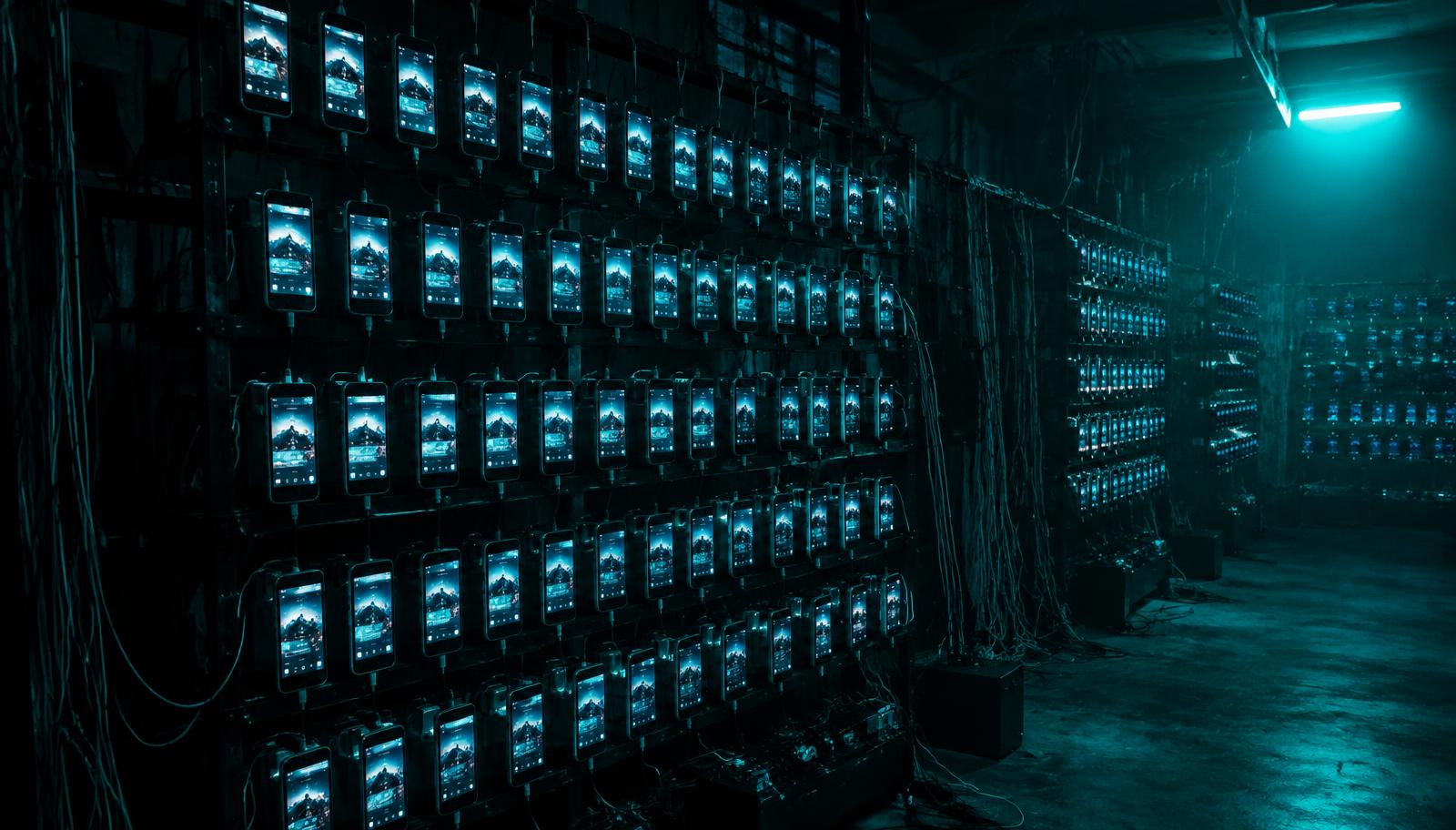
Illustration: Sampled. Bot farms use racks of devices or scripts to fake plays. Paying for them puts your catalog at risk.
Step 3: Use curator platforms that pay for a listen, not a placement
Legitimate services charge you for a curator's time to listen and respond, and curators can say no.
- SubmitHub (opens in a new tab): pay for guaranteed listens and feedback from blogs, playlists and channels.
- Groover (opens in a new tab): similar model, strong for European curators and radio.
- PlaylistPush (opens in a new tab): campaign-based curator outreach.
If a service guarantees placement or a stream count, walk away.
Step 4: Pitch independent curators directly
- Search Spotify for playlists in your exact niche ("lo-fi rainy day", "UK drill workout").
- Check the curator's profile for a contact, Instagram or website.
- Send a short message with one song link, two sentences about why it fits, and thanks.
- Never pay a curator directly for placement.
Step 5: Build your own playlists
Make a playlist around a mood or scene you know well, add your song among artists you love, and share it. Fans who follow your playlist become a channel you control.
Step 6: Do the math before you spend
Set a budget and compare it with real returns:
- Track saves, follows and new listeners in Spotify for Artists after each campaign.
- Note which pitches produced real fans, not just plays.
- Spend more where listeners stick around, and stop where they disappear.
Remember Spotify's 1,000-stream threshold for royalties, explained in how Spotify royalties work. A campaign that brings 1,000 real listeners who come back is worth far more than 100,000 plays that vanish.
FAQ
Can buying fake streams really hurt me? Yes. Streaming services may remove tracks, withhold royalties, and in some cases charge distributors fees for flagged tracks, which distributors often pass on.
Is SubmitHub the same as paying for streams? No. You pay for a listen and a response. There is no guarantee of placement.
What if fake streams appear without me buying them? Contact your distributor right away and explain the situation.