 SAMPLED
How Do You Make Money Selling Beat Leases Online?
License tiers, contract terms, stores and promotion: a step-by-step plan for producers selling instrumentals.
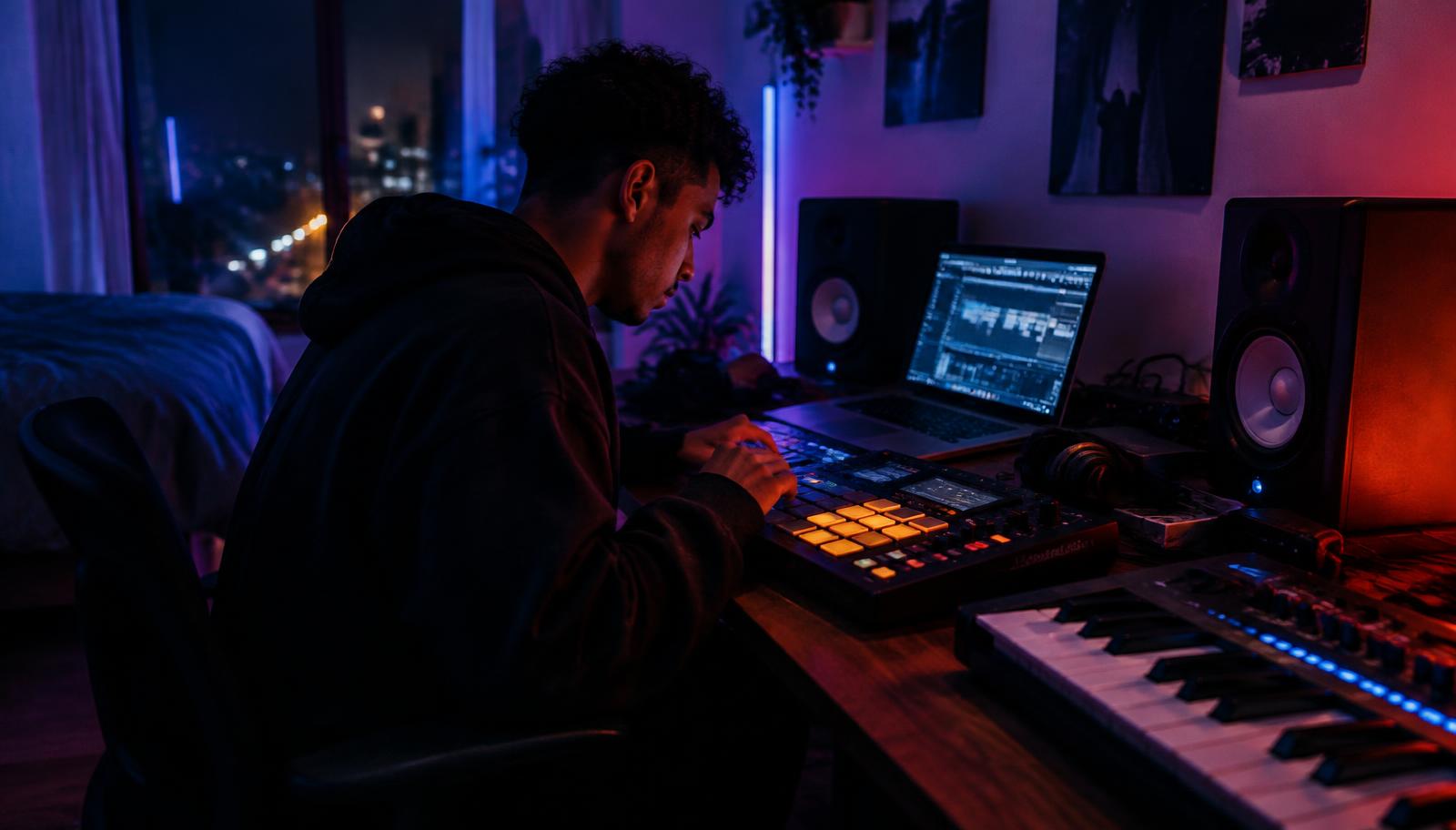
In late 2018, a teenage producer from the Netherlands named YoungKio uploaded a beat to BeatStars. Lil Nas X leased it for about $30, wrote "Old Town Road" on top of it, and the song went on to set a record for weeks at No. 1 on the Billboard Hot 100. Most beats will never do that. But the model behind it, selling the same instrumental many times through non-exclusive licenses, is one of the most reliable ways a producer can turn a hard drive full of ideas into income.
Think of it like renting out a vacation home. Several guests can book it (leases), and someone can eventually buy the whole house (an exclusive). Until they do, you keep the keys.
Step 1: Pick 10 to 20 of your best beats
Quantity matters less than you think when you start. Choose beats that:
- Sound finished and mixed, not like sketches.
- Fit a clear lane (drill, R&B, boom bap, Afrobeats) so artists can find them.
- Use only sounds you are licensed to use. Uncleared samples can get a song removed after it blows up. If a loop came from a sample pack, check its license allows use in commercially released beats.
Step 2: Build your license tiers
Most beat stores use a ladder like this. Prices are your call; these are typical structures, not rules.
| Tier | What the artist gets | Common limits |
|---|---|---|
| Basic (MP3) | Tagged-free MP3 | Stream and sales caps, no radio |
| Premium (WAV) | Full-quality WAV | Higher caps |
| Trackout / stems | Separate stems for mixing | Higher caps, often music video use |
| Unlimited | Stems plus no stream caps | Still non-exclusive |
| Exclusive | Full rights going forward; beat removed from your store | Negotiated, often includes publishing terms |
Step 3: Write the license terms down
Every license should spell out:
- Stream and sales caps (for example, a set number of streams before the artist must upgrade).
- Term (how long the license lasts).
- Credit: the song title must include "Prod. by [your name]".
- Publishing: your writer share of the composition. Even on a lease, you are usually a co-writer of the song.
- What happens with an exclusive sale: earlier leases normally stay valid under their terms.
Marketplaces such as BeatStars (opens in a new tab) and Airbit (opens in a new tab) generate license agreements from templates you control. If you sell from your own site, have a music lawyer review your template once.
Step 4: Choose where to sell
Marketplaces such as BeatStars, Airbit and Traktrain (opens in a new tab) give you a storefront, checkout, automatic contracts and built-in search traffic. They charge subscription fees or take a cut, depending on your plan.
Your own store using Shopify (opens in a new tab), Gumroad (opens in a new tab) or Bandcamp (opens in a new tab) gives you more control and your customer list, but you have to bring the traffic.
Many producers do both: a marketplace for discovery, plus their own site for repeat buyers and custom work.
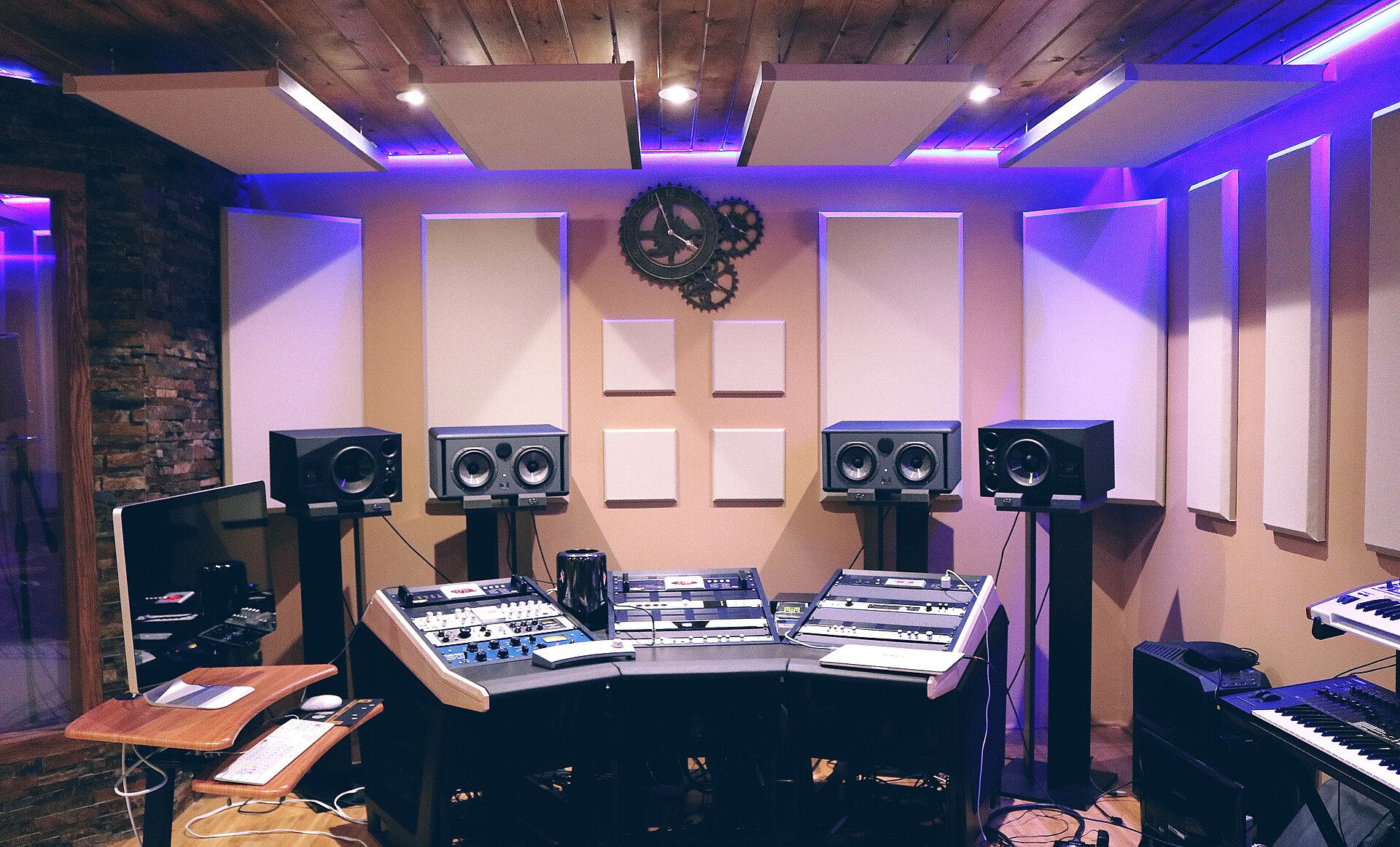
Photo: Dayron Villaverde / Wikimedia Commons, CC0. A simple setup like this is enough to produce, tag and export beats for sale.
Step 5: Tag, title and upload properly
- Add an audio tag (your producer tag voice-over) to preview files so they cannot be ripped and used for free.
- Title beats with a clear name plus type, for example
"Late Train" – Melodic Drill Beat 142 BPM. - Fill in BPM, key, genre and mood. Artists filter by these.
- Use cover art that matches your brand across every beat.
Step 6: Bring artists to the store
- Post short videos making or playing your beats on YouTube, TikTok and Instagram, with the store link in your bio.
- Run "type beat" titles honestly. Artists search for the sound of an artist they like.
- Email past buyers when you upload new beats in their style. Repeat customers are the backbone of most beat stores.
- Offer custom beats and mixing as add-ons.
Step 7: Register your songs when they are released
When an artist releases a song on your beat, ask for the title, release date and their split sheet. Register your share with your PRO and The MLC. Our guide to collecting all your music royalties explains how.
FAQ
Can I sell the same beat to more than one artist? Yes, under non-exclusive leases. That is how the model works. Once you sell an exclusive, stop offering new leases.
What happens if a leased song goes viral? The artist must upgrade once they hit the caps in your license. This is often when producers negotiate an exclusive or extra royalties.
Do I keep publishing on a lease? Typically, yes. You are a co-writer of the composition, and your license should say so.