 SAMPLED
Two paths through the catalog economy: Boy George's AI gambit vs. HarbourView's Chaka Khan buy
In a single week, two opposing legacy-catalog strategies surfaced. One sells a stake to a fund. The other tries to use AI to take ownership back.
For forty years, Boy George has been singing Karma Chameleon. Owning it is a different story. This week, the Culture Club frontman quietly put a new company into public view (opens in a new tab) — Artists Included, a venture aimed at helping legacy artists use AI tooling to regain creative and commercial control of recordings they no longer own, with an AI-assisted re-recording of Karma Chameleon as its first release (opens in a new tab).
Same week, the inverse trade closed publicly (opens in a new tab): HarbourView Equity Partners took a stake in Chaka Khan's catalog (opens in a new tab). Two of the most recognizable Black voices of their respective eras, two completely different bets on what to do when you outlive the contract you signed at twenty-three.
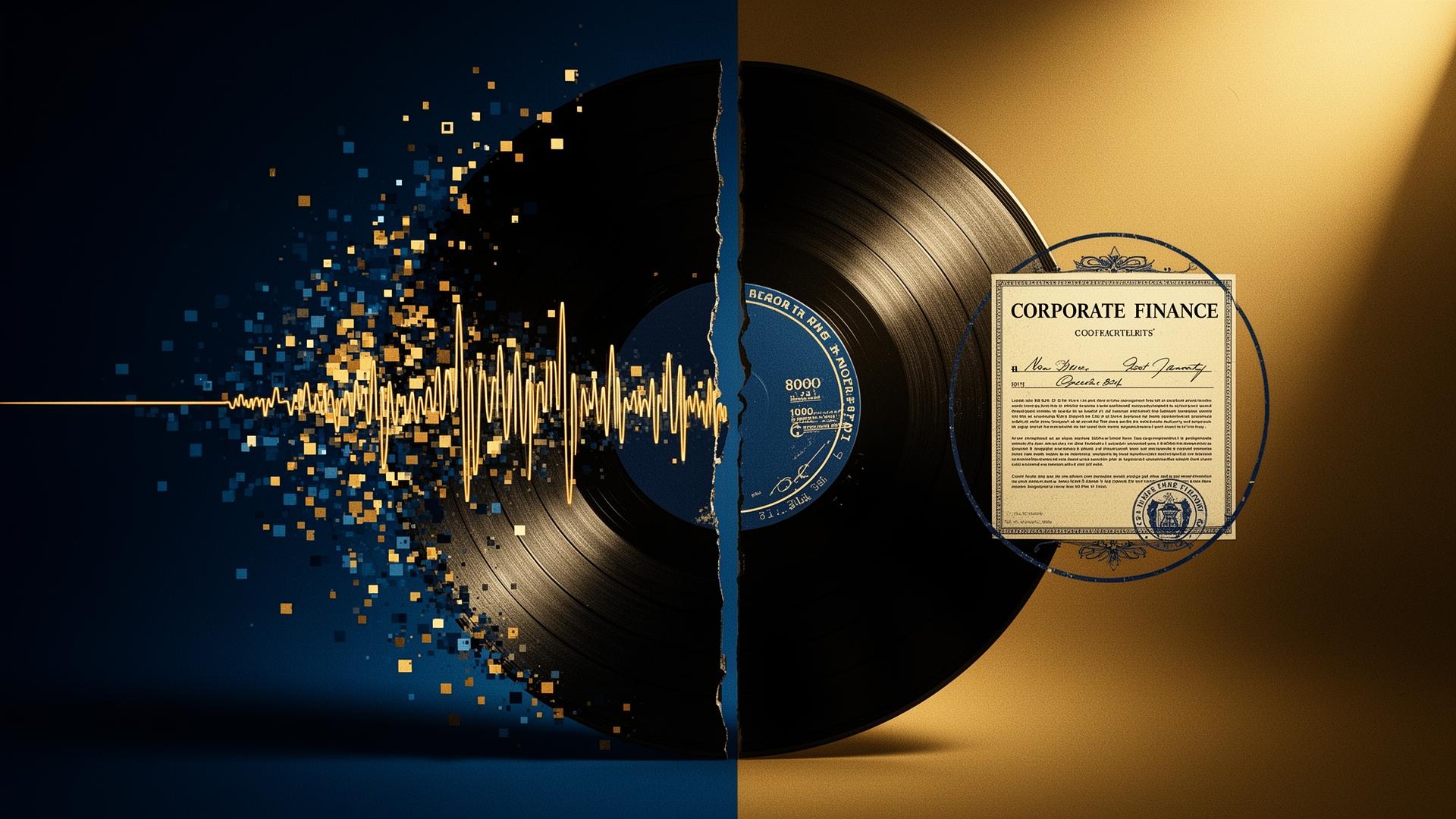
Two strategies for the post-prime catalog: sell a stake, or rebuild with AI. Illustration: Sampled.
The HarbourView path: sell now, collect forever
HarbourView is part of a generation of music-finance shops — alongside Hipgnosis (post-restructure), Primary Wave, Influence Media, Litmus — that buys catalog stakes from artists or estates and earns the publishing and master royalties forward. The pitch to the artist is simple: you get a large lump sum today, professional administration, and a partner whose job is to grow your catalog's commercial value through sync, sampling, and AI licensing.
For Chaka Khan, this is a known, low-volatility move. Ain't Nobody, I'm Every Woman, and Through the Fire are evergreen sync workhorses; HarbourView's job is to keep them placed and paid. The "new creative ventures" language in HarbourView's announcement (opens in a new tab) is partnership-deal boilerplate, but it signals what the next wave of these deals will include: the right to license the catalog into AI training, AI-generated covers, and brand integrations the original 1978 contracts never contemplated.
This is where songwriter-side administration starts mattering more, not less. The MLC's June 2026 designation review (opens in a new tab) is a reminder that publishing infrastructure is the choke point for any catalog deal that wants to operate cleanly in the AI era — the songwriter side has to be cleared separately from the masters, and the funds buying catalog stakes have learned to do it.
The Boy George path: take it back
Artists Included is the other end of the chessboard. Boy George's pitch — and he is unusually candid about not owning much of his recorded output — is that AI gives legacy artists a way to re-record, re-voice, and re-package material they signed away decades ago, without depending on the original masters they cannot license back.
This is technically possible right now. Voice modeling has gotten clean enough that an artist can authorize a synthetic re-performance of their own catalog and release it as a parallel work — not the original recording the label owns, but a new master the artist controls. Done correctly, with the songwriter side cleared through the proper statutory publishing channels (opens in a new tab), it sidesteps the label entirely.
Done incorrectly, it ignites a lawsuit. The labels are not going to enjoy watching a generation of legacy artists release AI-cloned shadow versions of catalogs they paid for fifty years ago. Expect the response to involve rights-administration infrastructure like Downtown's rights-management analysis (opens in a new tab) and Revelator's writing on AI-era trust and safety (opens in a new tab), because the fight is going to play out in metadata and rights flags long before it plays out in court.
What sits between them
The two strategies are not really opposites. HarbourView is buying a known-good revenue stream; Artists Included is trying to manufacture a new one. Both are answering the same question — what does a 1980s catalog do in 2026? — with different risk profiles.
The interesting thing to watch is which artist demographic each model captures. HarbourView-style funds need artists with enough catalog value to justify a nine-figure cash offer; the universe of qualifying acts is small and getting smaller. Boy George's pitch scales down — it works for the much larger group of artists with cultural recognition but middle-tier catalog value, the ones the funds will not call.
If both work, the legacy artist's choice is no longer "settle for what the label gave you." It is "sell forward, or rebuild from your own voice." Two real options is more than most of these artists have ever had.